
Updated on 2026/03/07

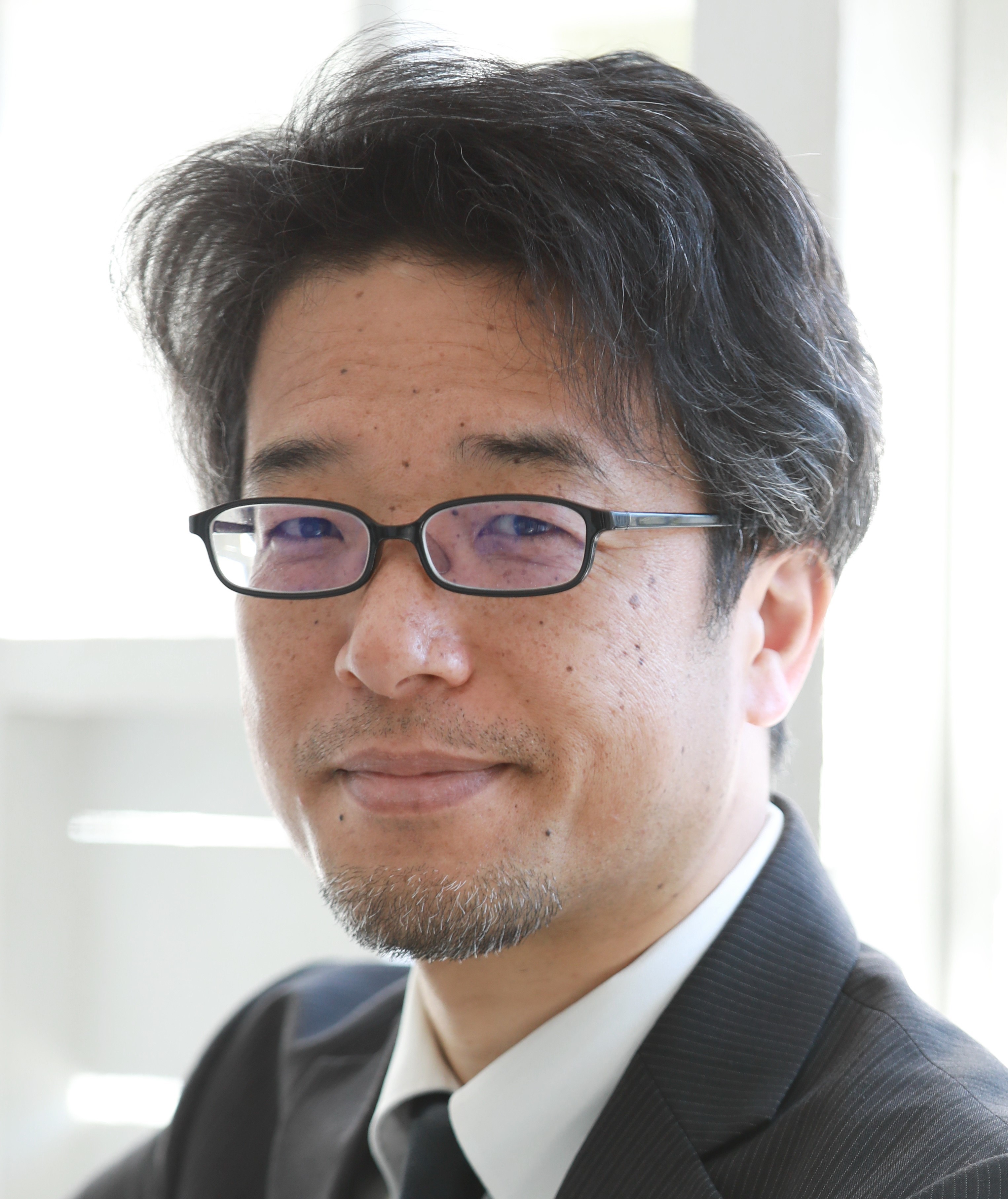
写真a

 
SUZUKI MASAHIRO
 
Organization
Undergraduate School School of Information and Communication Professor
Title
Professor
Profile

私の研究課題は,学校組織において教師が相互行為によって制度や文化をどのように,まさにそのようなものとして達成しているのかという実践を明らかにすることです。これまでの研究ではエスノメソドロジーや構築主義のアプローチから,学校でのフィールドワークによって得られたデータをもとに教師間相互行為を分析してきました。これは制度や文化によって教師の行為を説明するのではなく,教師が制度や文化を用いながら,その場面を作り上げていく様子を記述する試みです。すぐに何かの役に立つわけではありませんが,そうした模索から見えてくるものもあると考えています。

【主な著書】

だれが校則を決めるのか 民主主義と学校
内田良 山本宏樹   2022-12
民主主義的な空間である学校のルールを見直していくためには。学校とそれをとりまく社会から捉え直す。
鈴木雅博「第3章 校則を決定・運用する教師たち――何がどのように語られているのか――」pp.49-74.
 
情報コミュニケーション学への招待 
明治大学情報コミュニケーション学部   2022-04-08
情報とコミュニケーションという現代を読み解くためのキーワードから、社会、文化、世界についてやさしく解説する入門書
 鈴木雅博「第5章 労働者の権利と労働への教育――「ブラックな職場」と「やりがい搾取」を超えて」」pp.36-51.
 
学校組織の解剖学 実践のなかの制度と文化
鈴木雅博   2022-01-15
「教師である」ことは学校組織のなかでいかにして成し遂げられているのか? 組織を生きる教師の方法の論理を実践に即して解明する。
学校組織を対象とした教育経営学や教育社会学では、教師たちが織りなす実践それ自体の成り立ちは見落とされてきた。「説明責任」「荒れ」「校則」「時間外勤務」──本書はエスノメソドロジーのアプローチから、具体的な場面で教師たちが、組織における実践をまさにそのようなものとして成り立たせている方法や能力を描き出す。
 
これからの教師研究 20の事例にみる教師研究方法論
秋田喜代美 藤江康彦   2021-06
これまでになかった“教師研究”のため入門ガイド。20の事例をもとに研究の動向や方法論など、基本的な概念や枠組みが理解できます。
鈴木雅博「第5章 1.教師間の相互行為分析」
 
 
External link

Degree

  • 博士(教育学) ( 東京大学 )

Research Interests

  • エスノメソドロジー

  • 構築主義

  • 教育言説

  • 教員文化

  • 教育社会学

  • 教育学

  • 教育経営学

  • 教育行政学

  • 学校組織

  • 相互行為分析

Research Areas

  • Humanities & social sciences / Sociology of education

  • Humanities & social sciences / Education - general

Education

  • 東京大学大学院   教育学研究科博士課程

    2010.4 - 2014.3

      More details

  • 東京大学大学院   教育学研究科修士課程

    2008.4 - 2010.3

      More details

  • The University of Tokyo   Faculty of Education

    2006.4 - 2007.3

      More details

  • Waseda University   School of Education

    1987.4 - 1991.3

      More details

Research History

  • Meiji University   School of Information and Communication   Professor

    2025.4

      More details

  • The University of Tokyo

    2023.4

      More details

  • Japan Women's University

    2022.4

      More details

  • Meiji University   School of Information and Communication   Associate Professor

    2019.4 - 2025.3

      More details

  • Tokoha University   Faculty of Education Teacher Training Course

    2019.4 - 2019.9

      More details

  • Tokoha University   Faculty of Education   Associate Professor

    2017.4 - 2019.3

      More details

  • Daido University   School of Liberal Arts and Sciences   Associate Professor

    2016.4 - 2017.3

      More details

  • Daido University   School of Liberal Arts and Sciences   Lecturer

    2014.4 - 2016.3

      More details

  • Shizuoka University   Faculty of Education

    2013.9 - 2014.9

      More details

  • 公立高等学校・中学校   教諭

    1991.4 - 2014.3

      More details

▼display all

Professional Memberships

Committee Memberships

  • 日本教育学会   機関誌編集委員会  

    2025.1   

      More details

    Committee type:Academic society

    researchmap

Papers

  • 官邸主導型政策形成におけるアクター間相互行為:規制改革会議・文部科学省による干渉・抵抗の方法と到達点

    鈴木 雅博

    明治大学教養論集   ( 580 )   39 - 62   2024.12

     More details

    Publishing type:Research paper (bulletin of university, research institution)  

    researchmap

  • 校則の見直しを一過性にしないために

    鈴木 雅博

    月刊生徒指導   ( 2024年12月号 )   56 - 57   2024.11

     More details

  • 教員の養成・採用・研修の一体的改革は何をもたらすのか:教職課程コアカリキュラムと改正教育公務員特例法に着目して

    鈴木 雅博

    明治大学教養論集   ( 573 )   143 - 160   2023.12

     More details

  • 学校研究における組織エスノグラフィーの現在

    鈴木 雅博

    社会と調査   ( 26 )   28 - 35   2021.3

     More details

    Publishing type:Research paper (scientific journal)  

    researchmap

  • How Was the Issue of Students' Time to Leave School Discussed? : Interpreting Overtime through Reference to Various Norms Reviewed

    ( 105 )   27 - 47   2019.12

     More details

    Language:Japanese   Publishing type:Research paper (scientific journal)  

    CiNii Research

    researchmap

  • 教師を「縛る」資源としての規範 (特集 縛られる学校、自らを縛る教師たち) Invited

    鈴木 雅博

    教育   ( 884 )   37 - 43   2019.9

     More details

    Language:Japanese   Publisher:教育科学研究会 ; 1951-  

    CiNii Research

    researchmap

  • 〈指導力不足教員〉の制度化過程(2) ―中央と地方のあいだ―

    鈴木 雅博, 遠藤 更菜

    教育研究実践報告誌   2 ( 1 )   5 - 14   2019.3

     More details

    Language:Japanese  

    CiNii Research

    researchmap

  • A Rough Sketch of Ethnomethodology : Who Studies What in Ethnomethodology?

    鈴木 雅博

    常葉大学教育学部紀要 = Tokoha University Faculty of Education research review   ( 39 )   29 - 46   2019.3

     More details

    Language:Japanese   Publisher:常葉大学教育学部  

    CiNii Research

    researchmap

  • 〈指導力不足教員〉の制度化過程(1)―「不適格」と「不適切」のあいだ―

    鈴木 雅博, 遠藤 更菜

    常葉初等教育研究   ( 4 )   45 - 58   2019.3

     More details

    Language:Japanese   Publishing type:Research paper (bulletin of university, research institution)  

    File: 鈴木・遠藤(2019).pdf

    researchmap

  • Membership Categorizing Device in Ethnomethodology and the Claims-making in Social Constructionism : For What Are Categorizing Practices Described?

    鈴木 雅博

    常葉大学外国語学部紀要 = Tokoha University Faculty of Foreign Studies research review   ( 35 )   1 - 15   2019.3

     More details

    Language:Japanese   Publisher:常葉大学外国語学部  

    CiNii Research

    researchmap

  • 学校組織研究が「見落としてきたもの」―教育行政学・教育経営学における学校組織研究の再検討―

    鈴木 雅博

    常葉大学教育学部紀要   ( 38 )   69 - 92   2017.12

     More details

    Language:Japanese   Publishing type:Research paper (scientific journal)  

    researchmap

  • 学校教師のエスノメソドロジー研究に向けてー社会学的アプローチによる学校組織研究への再検討を通してー

    鈴木 雅博

    常葉大学外国語学部紀要   ( 34 )   2017.12

     More details

    Language:Japanese   Publishing type:Research paper (scientific journal)  

    researchmap

  • 教師による実践のなかの/としての学校組織ー「会議をする」ことのエスノメソドロジー研究ー Reviewed

    鈴木 雅博

    東京大学(博士論文)   2017.11

     More details

  • 「特別の教科 道徳」の成立過程と諸問題 ―教育に係る諸諮問機関の提言への検討を中心にして―

    鈴木 雅博

    教育研究実践報告誌   1 ( 1 )   43 - 52   2017.10

     More details

    Language:Japanese   Publishing type:Research paper (scientific journal)  

    researchmap

  • How Teachers Talk about Strict Disciplining in the Context of Ambiguous School Rules : An Ethnomethodological Approach Reviewed

    ( 99 )   47 - 69   2016.12

     More details

    Language:Japanese   Publishing type:Research paper (scientific journal)  

    CiNii Research

    researchmap

  • Constructing the order of a school staff meeting in and as practicing “The Teacher Code”: An analysis of interactions from an interpretive approach. Reviewed

    SUZUKI, Masahiro

    Journal of JASEA   ( 57 )   64 - 78   2015.6

     More details

    Language:Japanese   Publishing type:Research paper (scientific journal)   Publisher:The Japanese Association for the Study of Educational Administration  

    The aim of this paper is to examine the interactions of teachers who construct the order of a school staff meeting in and as practicing interpretations from the perspective of an interpretive approach. The main data for this paper come from participant observations in a public junior high school in 2009. This paper focuses on the teacher code that the members who participated in a preceding department meeting should keep silent in a subsequent school staff meeting during their department head proposing. The distinctive characters of using this code is as below, Firstly, teachers tell the code to make colleagues keep silent in a meeting. Telling the code divides members: the ones possible to give their opinions, the others impossible to do so. And doing so makes a sense of a department meeting as a buffer to avoid heated disputes in a school staff meeting. Secondly, whether someone's statement in a school staff meeting is inside or outside the code depends on a local interaction. The relationship between the code and statement/silent is not causal or stable but retrospective and context-dependent. Thirdly, the unwritten code emerges obviously in a school staff meeting when someone stigmatizes another's statement as a breach of the code or when someone asks about the proposal of his/her own department with an excuse for breaking the code. Paradoxically telling the breach of the code reconstructs the legitimacy of it with making a sense of silent there reflexively. Fourthly, teachers interpret keeping silent as not only a duty but also positive cooperation of organizational members from the perspective of the code. The reality of silence in a staff meeting illustrates the existence of an organization and the reliability of the code to teachers.

    DOI: 10.24493/jasea.57.0_64

    CiNii Research

    researchmap

  • 学校現場におけるアカウンタビリティ概念の作用と帰結―ミクロ・ポリティクス的視角からの検討― Reviewed

    鈴木 雅博

    日本教育行政学会年報   ( 40 )   73 - 90   2014.10

     More details

    Language:Japanese   Publishing type:Research paper (scientific journal)  

    researchmap

  • Interactions between Teachers in Constructing School Problems:Focusing on Rhetorical Idioms as Available Vernacular Resources in Claims-making. Reviewed

    SUZUKI Masahiro

    The Journal of Educational Sociology   ( 90 )   145 - 167   2012

     More details

    Language:Japanese   Publishing type:Research paper (scientific journal)   Publisher:日本教育社会学会  

    In this paper, the author examines the interactions between teachers in constructing school problems during the decision making process, focusing on rhetorical idioms as available vernacular resources in claims-making activity. The main data for this paper was collated over a period of two years from April 2009 in a public junior high school.<BR><BR>Firstly, the chief of the section for guidance and discipline of students is identified as the claims-maker in the decision-making process in a school. His activities in urging members to discipline students strictly are identified as arbitrary claims because they are less objectively relevant to rules, measurements and standard procedures.<BR><BR>Secondly, following the social constructionist approach, claims-making is identified as consisting of two components; "condition-categorizing" and "putativesuggestion to remedy condition." In addition, each component is examined within every rhetorical idiom which is articulated.<BR><BR>In condition-categorizing, claims-makers categorizethe condition of students as troublesome, and narrate rhetoric which emphasizes the risk of "ARE," meaning deviant behavior by students, which can create a crisis within schools, in order to have other members of the teaching staff take the problem seriously.<BR><BR>In suggestions for remedying the condition, they narrate the rhetoric of teamwork. The power of this rhetoric to persuade other members comes from two rhetorical idioms. One is "the principle of organization," and the other is "therule from the experience of teachers in the recovery from ARE." As a matter of logic, there are a number of independent variables for explaining ARE. However, teachers tend to use rhetorical idioms as frameworks to interpret their own and their senior associatesʼ experiences of ARE.<BR><BR>After sharing these interpretative frameworks among teachers, asynergistic circulation takes place. Teachersʼ experiences of ARE are interpreted from the perspective of the rhetorical idioms, and they recursively prove and improvethe effect of these rhetorical idioms.<BR><BR>It is difficult for members to counter claims because opponents have to accept responsibility for ARE. In this regard, however, claims-makers are not allowed to label particular teachers as causes of trouble, for this labeling provokes their disapproval. Although most teachers do not counter the claims, they treat a specific deviant student in a delicate way, which differs from the strict disciplinary manner asserted by claims-makers.<BR><BR>Members do not always assent to condition-category by claims-making. Thus, what claims and rhetorical idioms accomplish is that it forces members into silence during decision making. In fact, rhetorical idioms function by forcing the teachersʼ collective not to reject suggestions to remedy troublesome conditions by strict disciplining.

    DOI: 10.11151/eds.90.145

    CiNii Research

    researchmap

  • THE RELATIONSHIP BETWEEN ORGANIZATIONAL DECISION-MAKING AND TEACHER AUTONOMY : FOCUSING ON FUNCTIONS OF CULTURAL, ORGANIZATIONAL AND PEDAGOGICAL DISCOURSES NARRATED BY TEACHERS(II. RESERCH REPORTS) Reviewed

    SUZUKI Masahiro

    Bulletin of the JEAS   ( 37 )   100 - 117   2011.10

     More details

    Language:Japanese   Publishing type:Research paper (scientific journal)   Publisher:日本教育行政学会  

    The purpose of this paper is to examine the relationship between organizational decision-making in the school and teacher autonomy by focusing on cultural, organizational and pedagogical discourses narrated by teachers in regard to their own organizational behaviors and autonomous practices. The main data for this paper was gathered in a public junior high school over two years since April 200X. Various discourses not only regulate teacher's organizational behaviors and autonomous practices but also function as interpretive frameworks with regards to their actions to students. Through the medium of various discourses, reciprocal regulations between organizational decision-making and teacher's autonomous practices have emerged as follows. Teachers interpret their silent membership in the organizational decision-making process as appropriate behavior by narrating "new comer", "plural values of education" and "busyness". These patterned discourses function to allow teachers to avoid conflict with their colleagues. The tendency of concert with colleagues is one of the characteristics of the culture as a Japanese teacher, so these patterned discourses can be called "cultural discourses". Since cultural discourses regulate and interpret the teacher's silent membership in staff meetings, bills are passed without making a fuss. However, this undermines the efficacy of democratic characteristics, which are the basis of organizational discourses. Such cultural discourses result in teachers treating organizational decision-making as someone else's problem. Teachers share the organizational discourses that staff must accept organizational decision-making. However, they counter this norm by narrating pedagogical discourses that teachers sometimes need to behave free from organizational decisions to value a trustworthy relationship with students. Thus teachers can interpret their deviant practices from organizational decisions as appropriate. Pedagogical discourses enable teachers to practice autonomously. Teachers will accept organizational decision-making because in reality they can practice free from determinations. The relationship between organizational decision-making and teacher autonomy can be explained through the paradox that teachers decide to do something so as not to be obliged to do it. On the other hand, in order to make teachers perform their duties devotedly, some actors make an attempt to narrate other discourses, which articulate some determinations about school rules with imperative duties, such as avoiding public nuisance or risk for students. The relationships which emerge through interactions of various discourses can be understood as dynamic micro-politics rather than static orders among actors in the school.

    CiNii Research

    researchmap

  • A review of the literature on school organization and teacher culture from a micro-political perspective

    Bulletin of the Graduate School of Education,the University of Tokyo   ( 50 )   295 - 304   2011.3

     More details

    Language:Japanese   Publishing type:Research paper (scientific journal)   Publisher:東京大学大学院教育学研究科  

    CiNii Research

    researchmap

  • The infuluence of the reports by the national personnel authority on the teacher appraisal system

    The journal of educational administration   ( 26 )   47 - 60   2007.3

     More details

    Language:Japanese   Publishing type:Research paper (scientific journal)   Publisher:東京大学大学院教育学研究科学校開発政策コース  

    CiNii Research

    researchmap

▼display all

Books

  • 情報コミュニケーション学への招待

    明治大学情報コミュニケーション学部( Role: Contributor第5章 労働者の権利と労働への教育――「ブラックな職場」と「やりがい搾取」を超えて)

    ミネルヴァ書房  2022.3  ( ISBN:9784623093748

     More details

    Total pages:xvi, 265p   Responsible for pages:36-51   Language:Japanese   Book type:Textbook, survey, introduction

    CiNii Research

    researchmap

  • 学校組織の解剖学 : 実践のなかの制度と文化

    鈴木, 雅博

    勁草書房  2022.1  ( ISBN:9784326251605

     More details

    Total pages:11,293p   Language:Japanese  

    CiNii Research

    researchmap

  • これからの教師研究 : 20の事例にみる教師研究方法論

    秋田, 喜代美, 藤江, 康彦( Role: Contributor第5章 1.教師間の相互行為分析:実践のなかの規範を探る)

    東京図書  2021.6  ( ISBN:9784489023620

     More details

    Total pages:xi, 322p   Responsible for pages:264-276   Language:Japanese   Book type:Textbook, survey, introduction

    CiNii Research

    researchmap

  • だれが校則を決めるのか : 民主主義と学校

    内田, 良, 山本, 宏樹, 松田, 洋介, 鈴木, 雅博, 末冨, 芳, 福嶋, 尚子, 西倉, 実季, 大津, 尚志(第3章 校則を決定・運用する教師たち―何がどのように語られているのか)

    岩波書店  2022.12  ( ISBN:9784000615754

     More details

    Total pages:xii, 224p   Responsible for pages:49-74   Language:Japanese  

    CiNii Research

    researchmap

Presentations

  • 学校組織における教師の実践を記述する Invited

    鈴木 雅博

    日本教育経営学会 第65回大会:若手研究者のための研究フォーラム「若手研究者が考える教育経営学の魅力・外縁・多様性」  2025.6 

     More details

  • 誰が教師の働き方を決めるのか:超勤訴訟と給特法 Invited

    鈴木雅博

    静岡県高等学校しょうがい児学校ユニオン学習会  2025.2 

     More details

    Presentation type:Public lecture, seminar, tutorial, course, or other speech  

    researchmap

  • 教員養成における教育社会学の展開可能性:エスノメソドロジーを事例として Invited

    鈴木 雅博

    日本教育社会学会第76回年次研究大会:課題研究Ⅰ「教員養成における教育社会学の困難を乗り越える」  2024.9 

     More details

  • 成員カテゴリー化装置 Invited

    鈴木 雅博

    2023年度エスノメソドロジー・会話分析研究会 入門セミナー:分析ワークショップ  2023.11 

     More details

    Presentation type:Public lecture, seminar, tutorial, course, or other speech  

    researchmap

  • 服装・所持品規定を問いなおす:制服私服選択制の導入・撤回過程における「自由」と「教育」

    企画者, 内田 良, 山本 宏樹, 報告者, 大津 尚志, 鈴木 雅博, 福嶋 尚子, 山本 宏樹

    日本教育学会 第82回大会  2023.8 

     More details

  • 若手研究者交流会話題提供者「博士論文執筆・出版」 Invited

    鈴木 雅博

    日本教育社会学会 第74回大会  2022.9 

     More details

  • 実践を記述する――博士論文執筆を振り返って Invited

    鈴木 雅博

    東京大学大学院教育学研究科「博士論文執筆促進のための説明会」  2018.6 

     More details

    Presentation type:Public lecture, seminar, tutorial, course, or other speech  

    researchmap

  • 教師間相互行為における成員カテゴリーの諸相(2)

    鈴木 雅博

    エスノメソドロジー・会話分析研究会2015年度研究大会  2015.10 

     More details

    Language:Japanese   Presentation type:Oral presentation (general)  

    researchmap

  • 教師間相互行為における成員カテゴリーの諸相 : 「下校時刻」は何の問題として語られたか(II-7部会 教師(2),研究発表II)

    鈴木 雅博

    日本教育社会学会大会発表要旨集録  2015.9 

     More details

    Language:Japanese  

    researchmap

  • 〈基準〉への意味付与過程における教師の実践 : エスノメソドロジーの視角から(IV-3部会 教師(3),研究発表IV)

    鈴木 雅博

    日本教育社会学会大会発表要旨集録  2013.9 

     More details

    Language:Japanese  

    researchmap

  • 学校における意思決定過程の機能と規範−公立中学校の諸会議を事例として−

    日本教育経営学会第51回大会自由研究発表  2011.6 

     More details

  • 学校における意思決定過程に関する質的研究−アクター間のミクロ・ポリティクスに着目して−

    日本教育行政学会第45回大会自由研究発表  2010.10 

     More details

  • 教師文化に関する組織論的考察 : 同調圧力言説に着目して(II-7部会 教師(2),研究発表II,一般研究報告)

    鈴木 雅博

    日本教育社会学会大会発表要旨集録  2010.9 

     More details

    Language:Japanese   Presentation type:Oral presentation (general)  

    researchmap

  • 学校における意思決定と教師の自律性との関係性−中学校での生徒指導を事例として−

    日本教育経営学会第50回大会自由研究発表  2010.6 

     More details

  • 教員評価と成果主義給与 日本とイギリス

    学校における成果主義の受容と変容 日英共同プロジェクト 公開セミナー  2008.9 

     More details

▼display all

Teaching Experience

  • 進路指導・生徒指導

    2023.4 Institution:東京大学

     More details

  • sociology of education

    2022.4 Institution:Japan Women's University

     More details

  • 明治大学大学院

    2021.4

     More details

  • 問題解決ゼミナールⅠ・Ⅱ

    2021.4 Institution:明治大学

     More details

  • 情報コミュニケーション学入門

    2020.4 Institution:明治大学

     More details

  • 教材開発演習Ⅰ・Ⅱ(ゼミナール)

     More details

  • 教養セミナー

     More details

  • 教職実践演習

     More details

  • 基礎ゼミナール

    Institution:明治大学

     More details

  • 情報社会と教育A・B

    Institution:明治大学

     More details

  • 問題分析ゼミナールⅠ・Ⅱ

    Institution:明治大学

     More details

  • 問題発見テーマ演習A・B

    Institution:明治大学

     More details

  • 学校教育観察法

     More details

  • 人間力セミナー

     More details

  • 特別研究(卒業論文)

     More details

  • 社会学

     More details

  • 教育社会学

    Institution:大同大学

     More details

  • 教育原理

    Institution:大同大学

     More details

  • 生徒指導論(初等)

     More details

  • ファースト・イヤー・セミナ

    Institution:大同大学

     More details

  • 道徳教育(中等)

     More details

  • 生徒指導論(中等)

     More details

  • 教育学

     More details

  • 学校教育研究法

     More details

  • 子ども法(教育法)

    Institution:静岡大学

     More details

  • 職業指導

    Institution:大同大学

     More details

  • 教育実習

    Institution:大同大学

     More details

  • 教職実践演習

    Institution:大同大学

     More details

  • 教育実習事前・事後指導

    Institution:大同大学

     More details

▼display all