
Updated on 2026/03/18

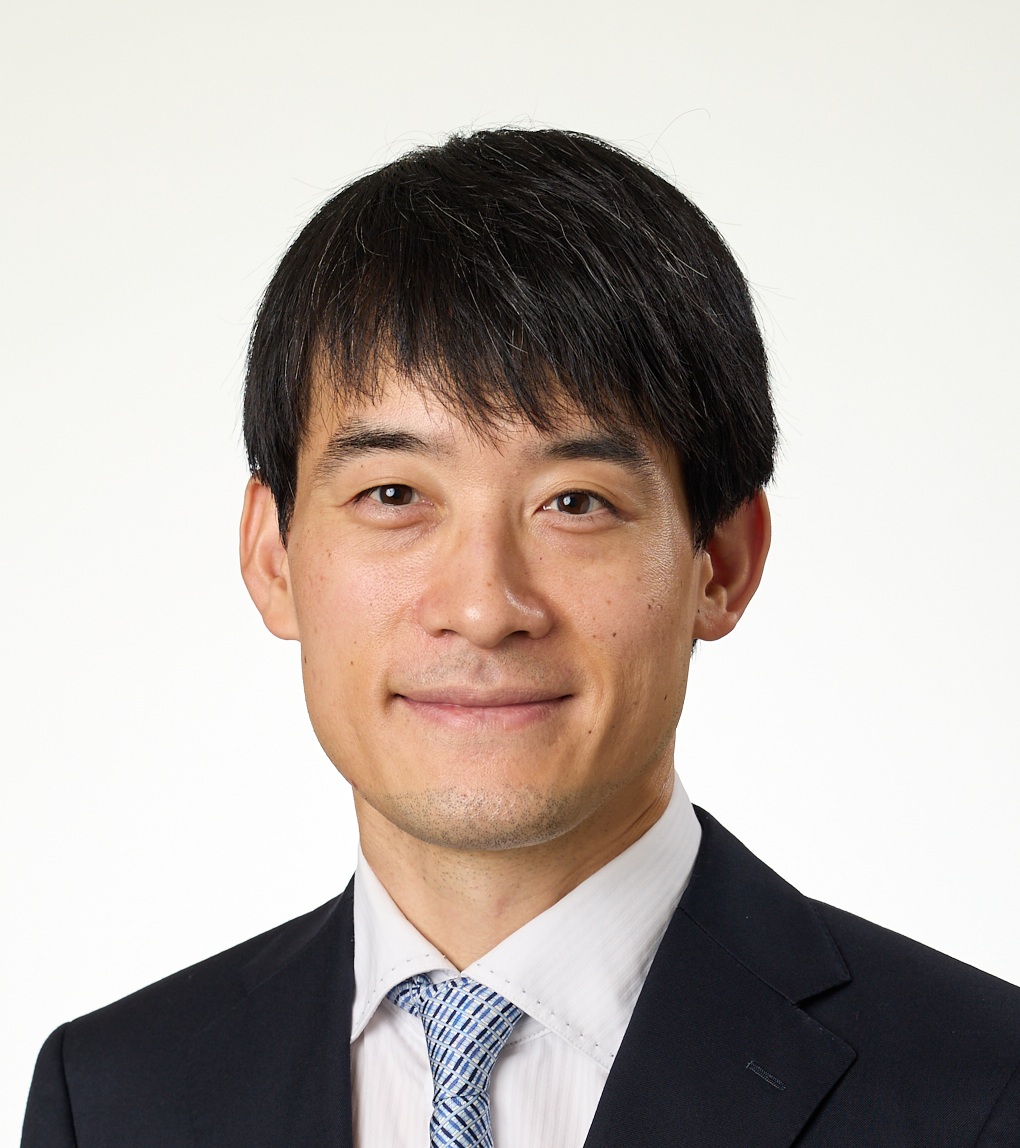
写真a

 
SHIMADA TOMOHIRO
 
Organization
Undergraduate School School of Agriculture Professor
Title
Professor
External link

Degree

  • 博士(工学) ( 2008.3   法政大学大学院 )

Research Interests

  • transcription

  • genome

  • Escherichia coli

  • ゲノム

  • 大腸菌

  • 微生物

  • 転写因子

  • 転写制御

  • bacteria

  • transcription factor

Research Areas

  • Life sciences / Genomics

Education

  • Hosei University

    - 2008

      More details

    Country/Region: Japan

    researchmap

  • Hosei University   Graduate School, Division of Engineering

    - 2008

      More details

Research History

  • Meiji University   School of Agriculture   Associate Professor

    2020.4

      More details

    Country/Region:Japan

    researchmap

  • Meiji University   School of Agriculture   Senior Assistant Professor

    2017.4 - 2020.3

      More details

  • Tokyo Institute of Technology   Institute of Innovative Research   Assistant Professor (non-tenured)

    2016.4 - 2017.3

      More details

  • Tokyo Institute of Technology   Assistant Professor

    2011.8 - 2016.3

      More details

  • Hosei University Research Center for Micro-Nano Technology, Research Center for Micro-Nano Technology

    2008.4 - 2011.7

      More details

Professional Memberships

  • JAPAN SOCIETY FOR BIOSCIENCE, BIOTECHNOLOGY, AND AGROCHEMISTRY

      More details

  • 日本ゲノム微生物学会

      More details

  • 日本分子生物学会

      More details

Papers

  • Transcription Factor HusR (YnfL) Is a Novel Regulator for Hydroxyurea Sensitivity in Escherichia coli K-12 Reviewed

    Ikki Kobayashi, Sousuke Imamura, Ken Okamoto, Tomohiro Shimada

    Microorganisms   2026.1

     More details

    Publishing type:Research paper (scientific journal)  

    DOI: 10.3390/microorganisms14010134

    researchmap

  • Identification of a comprehensive set of transcriptional regulators involved in the long-term survivability of Escherichia coli in soil

    Soma Nakamoto, Ikki Kobayashi, Koichi Watanabe, Takeru Kikuta, Sousuke Imamura, Tomohiro Shimada

    Scientific Reports   15 ( 1 )   2025.2

     More details

    Publishing type:Research paper (scientific journal)   Publisher:Springer Science and Business Media LLC  

    DOI: 10.1038/s41598-025-85609-8

    researchmap

    Other Link: https://www.nature.com/articles/s41598-025-85609-8

  • Regulatory Role of GgaR (YegW) for Glycogen Accumulation in Escherichia coli K-12. International journal

    Shunsuke Saito, Ikki Kobayashi, Motoki Hoshina, Emi Uenaka, Atsushi Sakurai, Sousuke Imamura, Tomohiro Shimada

    Microorganisms   12 ( 1 )   2024.1

     More details

    Language:English   Publishing type:Research paper (scientific journal)  

    Glycogen, the stored form of glucose, accumulates upon growth arrest in the presence of an excess carbon source in Escherichia coli and other bacteria. Chromatin immunoprecipitation screening for the binding site of a functionally unknown GntR family transcription factor, YegW, revealed that the yegTUV operon was a single target of the E. coli genome. Although none of the genes in the yegTUV operon have a clear function, a previous study suggested their involvement in the production of ADP-glucose (ADPG), a glycogen precursor. Various validation through in vivo and in vitro experiments showed that YegW is a single-target transcription factor that acts as a repressor of yegTUV, with an intracellular concentration of consistently approximately 10 molecules, and senses ADPG as an effector. Further analysis revealed that YegW repressed glycogen accumulation in response to increased glucose concentration, which was not accompanied by changes in the growth phase. In minimal glucose medium, yegW-deficient E. coli promoted glycogen accumulation, at the expense of poor cell proliferation. We concluded that YegW is a single-target transcription factor that senses ADPG and represses glycogen accumulation in response to the amount of glucose available to the cell. We propose renaming YegW to GgaR (repressor of glycogen accumulation).

    DOI: 10.3390/microorganisms12010115

    PubMed

    researchmap

  • Genomic SELEX Screening of Regulatory Targets of Transcription Factors. International journal

    Tomohiro Shimada, Hiroshi Ogasawara, Ikki Kobayashi, Akira Ishihama

    Methods in molecular biology (Clifton, N.J.)   2819   77 - 102   2024

     More details

    Language:English   Publishing type:Research paper (scientific journal)  

    The genome of Escherichia coli K-12 is transcribed by a single species of RNA polymerase. The selectivity of transcriptional targets is determined via interaction with one of seven species of the sigma subunit and a total of approximately 300 species of transcription factor (TFs). For comprehensive identification of the regulatory targets of these two groups of regulatory proteins on the genome, we developed an in vitro approach, "Genomic SELEX" (gSELEX) screening. Here we describe a detailed protocol of the gSELEX screening system, which uses purified regulatory proteins and fragments of genomic DNA from E. coli. Moreover, we describe methods and examples of results using cell-free synthetic proteins.

    DOI: 10.1007/978-1-0716-3930-6_5

    PubMed

    researchmap

  • Metal-Responsive Transcription Factors Co-Regulate Anti-Sigma Factor (Rsd) and Ribosome Dimerization Factor Expression. International journal

    Hideji Yoshida, Tomohiro Shimada, Akira Ishihama

    International journal of molecular sciences   24 ( 5 )   2023.3

     More details

    Language:English   Publishing type:Research paper (scientific journal)  

    Bacteria exposed to stress survive by regulating the expression of several genes at the transcriptional and translational levels. For instance, in Escherichia coli, when growth is arrested in response to stress, such as nutrient starvation, the anti-sigma factor Rsd is expressed to inactivate the global regulator RpoD and activate the sigma factor RpoS. However, ribosome modulation factor (RMF) expressed in response to growth arrest binds to 70S ribosomes to form inactive 100S ribosomes and inhibit translational activity. Moreover, stress due to fluctuations in the concentration of metal ions essential for various intracellular pathways is regulated by a homeostatic mechanism involving metal-responsive transcription factors (TFs). Therefore, in this study, we examined the binding of a few metal-responsive TFs to the promoter regions of rsd and rmf through promoter-specific TF screening and studied the effects of these TFs on the expression of rsd and rmf in each TF gene-deficient E. coli strain through quantitative PCR, Western blot imaging, and 100S ribosome formation analysis. Our results suggest that several metal-responsive TFs (CueR, Fur, KdpE, MntR, NhaR, PhoP, ZntR, and ZraR) and metal ions (Cu2+, Fe2+, K+, Mn2+, Na+, Mg2+, and Zn2+) influence rsd and rmf gene expression while regulating transcriptional and translational activities.

    DOI: 10.3390/ijms24054717

    PubMed

    researchmap

  • Genomic SELEX Reveals Pervasive Role of the Flagella Master Regulator FlhDC in Carbon Metabolism. International journal

    Hiraku Takada, Kaede Kijima, Akira Ishiguro, Akira Ishihama, Tomohiro Shimada

    International journal of molecular sciences   24 ( 4 )   2023.2

     More details

    Language:English   Publishing type:Research paper (scientific journal)  

    Flagella are vital bacterial organs that allow microorganisms to move to favorable environments. However, their construction and operation consume a large amount of energy. The master regulator FlhDC mediates all flagellum-forming genes in E. coli through a transcriptional regulatory cascade, the details of which remain elusive. In this study, we attempted to uncover a direct set of target genes in vitro using gSELEX-chip screening to re-examine the role of FlhDC in the entire E. coli genome regulatory network. We identified novel target genes involved in the sugar utilization phosphotransferase system, sugar catabolic pathway of glycolysis, and other carbon source metabolic pathways in addition to the known flagella formation target genes. Examining FlhDC transcriptional regulation in vitro and in vivo and its effects on sugar consumption and cell growth suggested that FlhDC activates these new targets. Based on these results, we proposed that the flagella master transcriptional regulator FlhDC acts in the activation of a set of flagella-forming genes, sugar utilization, and carbon source catabolic pathways to provide coordinated regulation between flagella formation, operation and energy production.

    DOI: 10.3390/ijms24043696

    PubMed

    researchmap

  • Transcription Factor SrsR (YgfI) Is a Novel Regulator for the Stress-Response Genes in Stationary Phase in Escherichia coli K-12

    Ikki Kobayashi, Kenji Mochizuki, Jun Teramoto, Sousuke Imamura, Kazuhiro Takaya, Akira Ishihama, Tomohiro Shimada

    International Journal of Molecular Sciences   23 ( 11 )   6055 - 6055   2022.5

     More details

    Publishing type:Research paper (scientific journal)   Publisher:MDPI AG  

    Understanding the functional information of all genes and the biological mechanism based on the comprehensive genome regulation mechanism is an important task in life science. YgfI is an uncharacterized LysR family transcription factor in Escherichia coli. To identify the function of YgfI, the genomic SELEX (gSELEX) screening was performed for YgfI regulation targets on the E. coli genome. In addition, regulatory and phenotypic analyses were performed. A total of 10 loci on the E. coli genome were identified as the regulatory targets of YgfI with the YgfI binding activity. These predicted YgfI target genes were involved in biofilm formation, hydrogen peroxide resistance, and antibiotic resistance, many of which were expressed in the stationary phase. The TCAGATTTTGC sequence was identified as an YgfI box in in vitro gel shift assay and DNase-I footprinting assays. RT-qPCR analysis in vivo revealed that the expression of YgfI increased in the stationary phase. Physiological analyses suggested the participation of YgfI in biofilm formation and an increase in the tolerability against hydrogen peroxide. In summary, we propose to rename ygfI as srsR (a stress-response regulator in stationary phase).

    DOI: 10.3390/ijms23116055

    researchmap

  • Regulatory role of CsuR (YiaU) in determination of cell surface properties of Escherichia coli K-12. International journal

    Tomohiro Shimada, Rie Murayama, Tomoki Mashima, Natsuko Kawano, Akira Ishihama

    Microbiology (Reading, England)   168 ( 4 )   2022.4

     More details

    Language:English   Publishing type:Research paper (scientific journal)  

    Genomic SELEX screening was performed to identify the binding sites of YiaU, an uncharacterized LysR family transcription factor, on the Escherichia coli K-12 genome. Five high-affinity binding targets of YiaU were identified, all of which were involved in the structures of the bacterial cell surface such as outer and inner membrane proteins, and lipopolysaccharides. Detailed in vitro and in vivo analyses suggest that YiaU activates these target genes. To gain insight into the effects of YiaU in vivo on physiological properties, we used phenotype microarrays, biofilm screening assays and the sensitivity against serum complement analysed using a yiaU deletion mutant or YiaU expression strain. Together, these results suggest that the YiaU regulon confers resistance to some antibiotics, and increases biofilm formation and complement sensitivity. We propose renaming YiaU as CsuR (regulator of cell surface).

    DOI: 10.1099/mic.0.001166

    PubMed

    researchmap

  • Acetate overflow metabolism regulates a major metabolic shift after glucose depletion in Escherichia coli. International journal

    Tomohiro Shimada, Kohta Nakazawa, Tomoyuki Tachikawa, Natsumi Saito, Tatsuya Niwa, Hideki Taguchi, Kan Tanaka

    FEBS letters   595 ( 15 )   2047 - 2056   2021.8

     More details

    Language:English   Publishing type:Research paper (scientific journal)   Publisher:Wiley  

    Acetate overflow refers to the metabolism by which a large part of carbon incorporated as glucose into Escherichia coli cells is catabolized and excreted as acetate into the medium. We previously found that mutants for the acetate overflow pathway enzymes phosphoacetyltransferase (Pta) and acetate kinase (AckA) showed significant diauxic growth after glucose depletion in E. coli. Here, we analyzed the underlying mechanism in the pta mutant. Proteomic and other analyses revealed an increase in pyruvate dehydrogenase complex subunits and a decrease in glyoxylate shunt enzymes, which resulted from pyruvate accumulation. Since restoration of these enzyme levels by overexpressing PdhR (pyruvate-sensing transcription factor) or deleting iclR (gene encoding a pyruvate- and glyoxylate-sensing transcription factor) alleviated the growth lag of the pta mutant after glucose depletion, these changes were considered as the reason for the phenotype. Given the evidence for decreased coenzyme A (HS-CoA) levels in the pta mutant, the growth inhibition after glucose depletion was partly explained by limited availability of HS-CoA in the cell. The findings provide insights into the role of acetate overflow in metabolic regulation, which may be useful for biotechnological applications.

    DOI: 10.1002/1873-3468.14151

    PubMed

    researchmap

  • Hierarchy of transcription factor network in Escherichia coli K-12: H-NS-mediated silencing and Anti-silencing by global regulators. International journal

    Akira Ishihama, Tomohiro Shimada

    FEMS microbiology reviews   2021.7

     More details

    Language:English   Publishing type:Research paper (scientific journal)   Publisher:Oxford University Press ({OUP})  

    Transcriptional regulation for genome expression determines growth and adaptation of single-cell bacteria that are directly exposed to environment. The transcriptional apparatus in Escherichia coli K-12 is composed of RNA polymerase core enzyme and two groups of its regulatory proteins, seven species of promoter-recognition subunit sigma and about 300 species of transcription factors. The identification of regulatory targets for all these regulatory proteins is critical toward understanding the genome regulation as a whole. For this purpose, we performed a systematic search in vitro of the whole set of binding sites for each factor by gSELEX system. This review summarizes the accumulated knowledge of regulatory targets for more than 150 TFs from E. coli K-12. Overall TFs could be classified into four families: nucleoid-associated bifunctional TFs; global regulators; local regulators; and single-target regulators, in which the regulatory functions remain uncharacterized for the nucleoid-associated TFs. Here we overview the regulatory targets of two nucleoid-associated TFs, H-NS and its paralog StpA, both together playing the silencing role of a set of non-essential genes. Participation of LeuO and other global regulators have been indicated for the anti-silencing. Finally, we propose the hierarchy of TF network as a key framework of the bacterial genome regulation.

    DOI: 10.1093/femsre/fuab032

    PubMed

    researchmap

  • Molecular Basis of Sulfosugar Selectivity in Sulfoglycolysis. International journal

    Mahima Sharma, Palika Abayakoon, Ruwan Epa, Yi Jin, James P Lingford, Tomohiro Shimada, Masahiro Nakano, Janice W-Y Mui, Akira Ishihama, Ethan D Goddard-Borger, Gideon J Davies, Spencer J Williams

    ACS central science   7 ( 3 )   476 - 487   2021.3

     More details

    Language:English   Publishing type:Research paper (scientific journal)  

    The sulfosugar sulfoquinovose (SQ) is produced by essentially all photosynthetic organisms on Earth and is metabolized by bacteria through the process of sulfoglycolysis. The sulfoglycolytic Embden-Meyerhof-Parnas pathway metabolizes SQ to produce dihydroxyacetone phosphate and sulfolactaldehyde and is analogous to the classical Embden-Meyerhof-Parnas glycolysis pathway for the metabolism of glucose-6-phosphate, though the former only provides one C3 fragment to central metabolism, with excretion of the other C3 fragment as dihydroxypropanesulfonate. Here, we report a comprehensive structural and biochemical analysis of the three core steps of sulfoglycolysis catalyzed by SQ isomerase, sulfofructose (SF) kinase, and sulfofructose-1-phosphate (SFP) aldolase. Our data show that despite the superficial similarity of this pathway to glycolysis, the sulfoglycolytic enzymes are specific for SQ metabolites and are not catalytically active on related metabolites from glycolytic pathways. This observation is rationalized by three-dimensional structures of each enzyme, which reveal the presence of conserved sulfonate binding pockets. We show that SQ isomerase acts preferentially on the β-anomer of SQ and reversibly produces both SF and sulforhamnose (SR), a previously unknown sugar that acts as a derepressor for the transcriptional repressor CsqR that regulates SQ-utilization. We also demonstrate that SF kinase is a key regulatory enzyme for the pathway that experiences complex modulation by the metabolites SQ, SLA, AMP, ADP, ATP, F6P, FBP, PEP, DHAP, and citrate, and we show that SFP aldolase reversibly synthesizes SFP. This body of work provides fresh insights into the mechanism, specificity, and regulation of sulfoglycolysis and has important implications for understanding how this biochemistry interfaces with central metabolism in prokaryotes to process this major repository of biogeochemical sulfur.

    DOI: 10.1021/acscentsci.0c01285

    PubMed

    researchmap

  • Single-Target Regulators Constitute the Minority Group of Transcription Factors in Escherichia coli K-12. International journal

    Tomohiro Shimada, Hiroshi Ogasawara, Ikki Kobayashi, Naoki Kobayashi, Akira Ishihama

    Frontiers in microbiology   12   697803 - 697803   2021

     More details

    Language:English   Publishing type:Research paper (scientific journal)  

    The identification of regulatory targets of all transcription factors (TFs) is critical for understanding the entire network of genome regulation. A total of approximately 300 TFs exist in the model prokaryote Escherichia coli K-12, but the identification of whole sets of their direct targets is impossible with use of in vivo approaches. For this end, the most direct and quick approach is to identify the TF-binding sites in vitro on the genome. We then developed and utilized the gSELEX screening system in vitro for identification of more than 150 E. coli TF-binding sites along the E. coli genome. Based on the number of predicted regulatory targets, we classified E. coli K-12 TFs into four groups, altogether forming a hierarchy ranging from a single-target TF (ST-TF) to local TFs, global TFs, and nucleoid-associated TFs controlling as many as 1,000 targets. Using the collection of purified TFs and a library of genome DNA segments from a single and the same E. coli K-12, we identified here a total of 11 novel ST-TFs, CsqR, CusR, HprR, NorR, PepA, PutA, QseA, RspR, UvrY, ZraR, and YqhC. The regulation of single-target promoters was analyzed in details for the hitherto uncharacterized QseA and RspR. In most cases, the ST-TF gene and its regulatory target genes are adjacently located on the E. coli K-12 genome, implying their simultaneous transfer in the course of genome evolution. The newly identified 11 ST-TFs and the total of 13 hitherto identified altogether constitute the minority group of TFs in E. coli K-12.

    DOI: 10.3389/fmicb.2021.697803

    PubMed

    researchmap

  • Expanded roles of pyruvate-sensing PdhR in transcription regulation of the Escherichia coli K-12 genome: fatty acid catabolism and cell motility. International journal

    Takumi Anzai, Sousuke Imamura, Akira Ishihama, Tomohiro Shimada

    Microbial genomics   6 ( 10 )   2020.10

     More details

    Language:English   Publishing type:Research paper (scientific journal)   Publisher:Microbiology Society  

    The transcription factor PdhR has been recognized as the master regulator of the pyruvate catabolism pathway in Escherichia coli, including both NAD-linked oxidative decarboxylation of pyruvate to acetyl-CoA by PDHc (pyruvate dehydrogenase complex) and respiratory electron transport of NADH to oxygen by Ndh-CyoABCD enzymes. To identify the whole set of regulatory targets under the control of pyruvate-sensing PdhR, we performed genomic SELEX (gSELEX) screening in vitro. A total of 35 PdhR-binding sites were identified along the E. coli K-12 genome, including previously identified targets. Possible involvement of PdhR in regulation of the newly identified target genes was analysed in detail by gel shift assay, RT-qPCR and Northern blot analysis. The results indicated the participation of PdhR in positive regulation of fatty acid degradation genes and negative regulation of cell mobility genes. In fact, GC analysis indicated an increase in free fatty acids in the mutant lacking PdhR. We propose that PdhR is a bifunctional global regulator for control of a total of 16-23 targets, including not only the genes involved in central carbon metabolism but also some genes for the surrounding pyruvate-sensing cellular pathways such as fatty acid degradation and flagella formation. The activity of PdhR is controlled by pyruvate, the key node between a wide variety of metabolic pathways, including generation of metabolic energy and cell building blocks.

    DOI: 10.1099/mgen.0.000442

    PubMed

    researchmap

  • Novel regulators of the csgD gene encoding the master regulator of biofilm formation in Escherichia coli K-12. International journal

    Hiroshi Ogasawara, Toshiyuki Ishizuka, Shuhei Hotta, Michiko Aoki, Tomohiro Shimada, Akira Ishihama

    Microbiology (Reading, England)   166 ( 9 )   880 - 890   2020.9

     More details

    Language:English   Publishing type:Research paper (scientific journal)  

    Under stressful conditions, Escherichia coli forms biofilm for survival by sensing a variety of environmental conditions. CsgD, the master regulator of biofilm formation, controls cell aggregation by directly regulating the synthesis of Curli fimbriae. In agreement of its regulatory role, as many as 14 transcription factors (TFs) have so far been identified to participate in regulation of the csgD promoter, each monitoring a specific environmental condition or factor. In order to identify the whole set of TFs involved in this typical multi-factor promoter, we performed in this study 'promoter-specific transcription-factor' (PS-TF) screening in vitro using a set of 198 purified TFs (145 TFs with known functions and 53 hitherto uncharacterized TFs). A total of 48 TFs with strong binding to the csgD promoter probe were identified, including 35 known TFs and 13 uncharacterized TFs, referred to as Y-TFs. As an attempt to search for novel regulators, in this study we first analysed a total of seven Y-TFs, including YbiH, YdcI, YhjC, YiaJ, YiaU, YjgJ and YjiR. After analysis of curli fimbriae formation, LacZ-reporter assay, Northern-blot analysis and biofilm formation assay, we identified at least two novel regulators, repressor YiaJ (renamed PlaR) and activator YhjC (renamed RcdB), of the csgD promoter.

    DOI: 10.1099/mic.0.000947

    PubMed

    researchmap

  • Proteomic analysis of haem-binding protein from Arabidopsis thaliana and Cyanidioschyzon merolae. International journal

    Takayuki Shimizu, Rintaro Yasuda, Yui Mukai, Ryo Tanoue, Tomohiro Shimada, Sousuke Imamura, Kan Tanaka, Satoru Watanabe, Tatsuru Masuda

    Philosophical transactions of the Royal Society of London. Series B, Biological sciences   375 ( 1801 )   20190488 - 20190488   2020.6

     More details

    Language:English   Publishing type:Research paper (scientific journal)  

    Chloroplast biogenesis involves the coordinated expression of the plastid and nuclear genomes, requiring information to be sent from the nucleus to the developing chloroplasts and vice versa. Although it is well known how the nucleus controls chloroplast development, it is still poorly understood how the plastid communicates with the nucleus. Currently, haem is proposed as a plastid-to-nucleus (retrograde) signal that is involved in various physiological regulations, such as photosynthesis-associated nuclear genes expression and cell cycle in plants and algae. However, components that transduce haem-dependent signalling are still unidentified. In this study, by using haem-immobilized high-performance affinity beads, we performed proteomic analysis of haem-binding proteins from Arabidopsis thaliana and Cyanidioschyzon merolae. Most of the identified proteins were non-canonical haemoproteins localized in various organelles. Interestingly, half of the identified proteins were nucleus proteins, some of them have a similar function or localization in either or both organisms. Following biochemical analysis of selective proteins demonstrated haem binding. This study firstly demonstrates that nucleus proteins in plant and algae show haem-binding properties. This article is part of the theme issue 'Retrograde signalling from endosymbiotic organelles'.

    DOI: 10.1098/rstb.2019.0488

    PubMed

    researchmap

  • Author Correction: Regulatory Role of PlaR (YiaJ) for Plant Utilization in Escherichia coli K-12. International journal

    Tomohiro Shimada, Yui Yokoyama, Takumi Anzai, Kaneyoshi Yamamoto, Akira Ishihama

    Scientific reports   10 ( 1 )   2997 - 2997   2020.2

     More details

    Language:English   Publishing type:Research paper (scientific journal)   Publisher:Springer Science and Business Media {LLC}  

    An amendment to this paper has been published and can be accessed via a link at the top of the paper.

    DOI: 10.1038/s41598-020-59905-4

    PubMed

    researchmap

  • Regulatory Role of PlaR (YiaJ) for Plant Utilization in Escherichia coli K-12. International journal

    Tomohiro Shimada, Yui Yokoyama, Takumi Anzai, Kaneyoshi Yamamoto, Akira Ishihama

    Scientific reports   9 ( 1 )   20415 - 20415   2019.12

     More details

    Language:English   Publishing type:Research paper (scientific journal)  

    Outside a warm-blooded animal host, the enterobacterium Escherichia coli K-12 is also able to grow and survive in stressful nature. The major organic substance in nature is plant, but the genetic system of E. coli how to utilize plant-derived materials as nutrients is poorly understood. Here we describe the set of regulatory targets for uncharacterized IclR-family transcription factor YiaJ on the E. coli genome, using gSELEX screening system. Among a total of 18 high-affinity binding targets of YiaJ, the major regulatory target was identified to be the yiaLMNOPQRS operon for utilization of ascorbate from fruits and galacturonate from plant pectin. The targets of YiaJ also include the genes involved in the utilization for other plant-derived materials as nutrients such as fructose, sorbitol, glycerol and fructoselysine. Detailed in vitro and in vivo analyses suggest that L-ascorbate and α-D-galacturonate are the effector ligands for regulation of YiaJ function. These findings altogether indicate that YiaJ plays a major regulatory role in expression of a set of the genes for the utilization of plant-derived materials as nutrients for survival. PlaR was also suggested to play protecting roles of E. coli under stressful environments in nature, including the formation of biofilm. We then propose renaming YiaJ to PlaR (regulator of plant utilization). The natural hosts of enterobacterium Escherichia coli are warm-blooded animals, but even outside hosts, E. coli can survive even under stressful environments. On earth, the most common organic materials to be used as nutrients by E. coli are plant-derived components, but up to the present time, the genetic system of E. coli for plant utilization is poorly understand. In the course of gSELEX screening of the regulatory targets for hitherto uncharacterized TFs, we identified in this study the involvement of the IclR-family YiaJ in the regulation of about 20 genes or operons, of which the majority are related to the catabolism of plant-derived materials such as ascorbate, galacturonate, sorbitol, fructose and fructoselysine. Therefore, we propose to rename YiaJ to PlaR (regulator of plant utilization).

    DOI: 10.1038/s41598-019-56886-x

    PubMed

    researchmap

  • The retrograde signaling protein GUN1 regulates tetrapyrrole biosynthesis. International journal

    Takayuki Shimizu, Sylwia M Kacprzak, Nobuyoshi Mochizuki, Akira Nagatani, Satoru Watanabe, Tomohiro Shimada, Kan Tanaka, Yuuki Hayashi, Munehito Arai, Dario Leister, Haruko Okamoto, Matthew J Terry, Tatsuru Masuda

    Proceedings of the National Academy of Sciences of the United States of America   116 ( 49 )   24900 - 24906   2019.12

     More details

    Language:English   Publishing type:Research paper (scientific journal)   Publisher:Proceedings of the National Academy of Sciences  

    The biogenesis of the photosynthetic apparatus in developing seedlings requires the assembly of proteins encoded on both nuclear and chloroplast genomes. To coordinate this process there needs to be communication between these organelles, but the retrograde signals by which the chloroplast communicates with the nucleus at this time are still essentially unknown. The Arabidopsis thaliana genomes uncoupled (gun) mutants, that show elevated nuclear gene expression after chloroplast damage, have formed the basis of our understanding of retrograde signaling. Of the 6 reported gun mutations, 5 are in tetrapyrrole biosynthesis proteins and this has led to the development of a model for chloroplast-to-nucleus retrograde signaling in which ferrochelatase 1 (FC1)-dependent heme synthesis generates a positive signal promoting expression of photosynthesis-related genes. However, the molecular consequences of the strongest of the gun mutants, gun1, are poorly understood, preventing the development of a unifying hypothesis for chloroplast-to-nucleus signaling. Here, we show that GUN1 directly binds to heme and other porphyrins, reduces flux through the tetrapyrrole biosynthesis pathway to limit heme and protochlorophyllide synthesis, and can increase the chelatase activity of FC1. These results raise the possibility that the signaling role of GUN1 may be manifested through changes in tetrapyrrole metabolism, supporting a role for tetrapyrroles as mediators of a single biogenic chloroplast-to-nucleus retrograde signaling pathway.

    DOI: 10.1073/pnas.1911251116

    PubMed

    researchmap

  • Regulatory role of pyruvate-sensing BtsSR in biofilm formation by Escherichia coli K-12. International journal

    Hiroshi Ogasawara, Toshiyuki Ishizuka, Kotaro Yamaji, Yuki Kato, Tomohiro Shimada, Akira Ishihama

    FEMS microbiology letters   366 ( 24 )   2019.12

     More details

    Language:English   Publishing type:Research paper (scientific journal)  

    Pyruvate, the key regulator in connection of a variety of metabolic pathways, influences transcription of the Escherichia coli genome through controlling the activity of two pyruvate-sensing two-component systems (TCSs), BtsSR and PyrSR. Previously, we identified the whole set of regulatory targets of PyrSR with low-affinity to pyruvate. Using gSELEX screening system, we found here that BtsSR with high-affinity to pyruvate regulates more than 100 genes including as many as 13 transcription factors genes including the csgD gene encoding the master regulator of biofilm formation. CsgD regulates more than 20 target genes including the csg operons encoding the Curli fimbriae. In addition, we identified the csgBAC as one of the regulatory targets of BtsR, thus indicating the involvement of two pyruvate-dependent regulatory pathways of the curli formation: indirect regulation by CsgD; and direct regulation by BtsR. Based on the findings of the whole set of regulatory targets by two pyruvate-sensing BtsR and PyrR, we further propose an innovative concept that the pyruvate level-dependent regulation of different gene sets takes place through two pyruvate-sensing TCS systems, high-affinity BtsSR and low-affinity PyrSR to pyruvate.

    DOI: 10.1093/femsle/fnz251

    PubMed

    researchmap

  • C-terminal regulatory domain of the ε subunit of Fo F1 ATP synthase enhances the ATP-dependent H+ pumping that is involved in the maintenance of cellular membrane potential in Bacillus subtilis. International journal

    Genki Akanuma, Tomoaki Tagana, Maho Sawada, Shota Suzuki, Tomohiro Shimada, Kan Tanaka, Fujio Kawamura, Yasuyuki Kato-Yamada

    MicrobiologyOpen   8 ( 8 )   e00815   2019.8

     More details

    Language:English   Publishing type:Research paper (scientific journal)  

    The ε subunit of Fo F1 -ATPase/synthase (Fo F1 ) plays a crucial role in regulating Fo F1 activity. To understand the physiological significance of the ε subunit-mediated regulation of Fo F1 in Bacillus subtilis, we constructed and characterized a mutant harboring a deletion in the C-terminal regulatory domain of the ε subunit (ε∆C ). Analyses using inverted membrane vesicles revealed that the ε∆C mutation decreased ATPase activity and the ATP-dependent H+ -pumping activity of Fo F1 . To enhance the effects of ε∆C mutation, this mutation was introduced into a ∆rrn8 strain harboring only two of the 10 rrn (rRNA) operons (∆rrn8 ε∆C mutant strain). Interestingly, growth of the ∆rrn8 ε∆C mutant stalled at late-exponential phase. During the stalled growth phase, the membrane potential of the ∆rrn8 ε∆C mutant cells was significantly reduced, which led to a decrease in the cellular level of 70S ribosomes. The growth stalling was suppressed by adding glucose into the culture medium. Our findings suggest that the C-terminal region of the ε subunit is important for alleviating the temporal reduction in the membrane potential, by enhancing the ATP-dependent H+ -pumping activity of Fo F1 .

    DOI: 10.1002/mbo3.815

    PubMed

    researchmap

  • Regulatory role of CsqR (YihW) in transcription of the genes for catabolism of the anionic sugar sulfoquinovose (SQ) in Escherichia coli K-12. Reviewed International journal

    Tomohiro Shimada, Kaneyoshi Yamamoto, Masahiro Nakano, Hiroki Watanabe, David Schleheck, Akira Ishihama

    Microbiology (Reading, England)   165 ( 1 )   78 - 89   2019.1

     More details

    Language:English   Publishing type:Research paper (scientific journal)  

    The binding sites of YihW, an uncharacterized DeoR-family transcription factor (TF) of Escherichia coli K-12, were identified using Genomic SELEX screening at two closely located sites, one inside the spacer between the bidirectional transcription units comprising the yihUTS operon and the yihV gene, and another one upstream of the yihW gene itself. Recently the YihUTS and YihV proteins were identified as catalysing the catabolism of sulfoquinovose (SQ), a hydrolysis product of sulfoquinovosyl diacylglycerol (SQDG) derived from plants and other photosynthetic organisms. Gel shift assay in vitro and reporter assay in vivo indicated that YihW functions as a repressor for all three transcription units. De-repression of the yih operons was found to be under the control of SQ as inducer, but not of lactose, glucose or galactose. Furthermore, a mode of its cooperative DNA binding was suggested for YihW by atomic force microscopy. Hence, as a regulator of the catabolism of SQ, we renamed YihW as CsqR.

    DOI: 10.1099/mic.0.000740

    PubMed

    researchmap

  • Coordinated Regulation of Rsd and RMF for Simultaneous Hibernation of Transcription Apparatus and Translation Machinery in Stationary-Phase Escherichia coli. International journal

    Hideji Yoshida, Akira Wada, Tomohiro Shimada, Yasushi Maki, Akira Ishihama

    Frontiers in genetics   10   1153 - 1153   2019

     More details

    Language:English   Publishing type:Research paper (scientific journal)  

    Transcription and translation in growing phase of Escherichia coli, the best-studied model prokaryote, are coupled and regulated in coordinate fashion. Accordingly, the growth rate-dependent control of the synthesis of RNA polymerase (RNAP) core enzyme (the core component of transcription apparatus) and ribosomes (the core component of translation machinery) is tightly coordinated to keep the relative level of transcription apparatus and translation machinery constant for effective and efficient utilization of resources and energy. Upon entry into the stationary phase, transcription apparatus is modulated by replacing RNAP core-associated sigma (promoter recognition subunit) from growth-related RpoD to stationary-phase-specific RpoS. The anti-sigma factor Rsd participates for the efficient replacement of sigma, and the unused RpoD is stored silent as Rsd-RpoD complex. On the other hand, functional 70S ribosome is transformed into inactive 100S dimer by two regulators, ribosome modulation factor (RMF) and hibernation promoting factor (HPF). In this review article, we overview how we found these factors and what we know about the molecular mechanisms for silencing transcription apparatus and translation machinery by these factors. In addition, we provide our recent findings of promoter-specific transcription factor (PS-TF) screening of the transcription factors involved in regulation of the rsd and rmf genes. Results altogether indicate the coordinated regulation of Rsd and RMF for simultaneous hibernation of transcription apparatus and translation machinery.

    DOI: 10.3389/fgene.2019.01153

    PubMed

    researchmap

  • Coordinated Hibernation of Transcriptional and Translational Apparatus during Growth Transition of Escherichia coli to Stationary Phase Reviewed

    Hideji Yoshida, Tomohiro Shimada, Akira Ishihama, Ileana M. Cristea

    mSystems   3 ( 5 )   2018.10

     More details

    Publishing type:Research paper (scientific journal)   Publisher:American Society for Microbiology  

    DOI: 10.1128/mSystems.00057-18

    researchmap

  • Single-target regulators form a minor group of transcription factors in Escherichia coli K-12. Reviewed International journal

    Tomohiro Shimada, Hiroshi Ogasawara, Akira Ishihama

    Nucleic acids research   46 ( 8 )   3921 - 3936   2018.5

     More details

    Language:English   Publishing type:Research paper (scientific journal)  

    The identification of regulatory targets of all TFs is critical for understanding the entire network of the genome regulation. The lac regulon of Escherichia coli K-12 W3110 is composed of the lacZYA operon and its repressor lacI gene, and has long been recognized as the seminal model of transcription regulation in bacteria with only one highly preferred target. After the Genomic SELEX screening in vitro of more than 200 transcription factors (TFs) from E. coli K-12, however, we found that most TFs regulate multiple target genes. With respect to the number of regulatory targets, a total of these 200 E. coli TFs form a hierarchy ranging from a single target to as many as 1000 targets. Here we focus a total of 13 single-target TFs, 9 known TFs (BetI, KdpE, LacI, MarR, NanR, RpiR, TorR, UlaR and UxuR) and 4 uncharacterized TFs (YagI, YbaO, YbiH and YeaM), altogether forming only a minor group of TFs in E. coli. These single-target TFs were classified into three groups based on their functional regulation.

    DOI: 10.1093/nar/gky138

    PubMed

    researchmap

  • Identification of YbhA as the pyridoxal 5'-phosphate (PLP) phosphatase in Escherichia coli: Importance of PLP homeostasis on the bacterial growth. Reviewed

    Ryota Sugimoto, Natsumi Saito, Tomohiro Shimada, Kan Tanaka

    The Journal of general and applied microbiology   63 ( 6 )   362 - 368   2018.1

     More details

    Language:English   Publishing type:Research paper (scientific journal)   Publisher:Microbiology Research Foundation  

    DOI: 10.2323/jgam.2017.02.008

    Scopus

    PubMed

    researchmap

  • Altered Distribution of RNA Polymerase Lacking the Omega Subunit within the Prophages along the Escherichia coli K-12 Genome Reviewed

    Yamamoto, Kaneyoshi, Yamanaka, Yuki, Shimada, Tomohiro, Sarkar, Paramita, Yoshida, Myu, Bhardwaj, Neerupma, Watanabe, Hiroki, Taira, Yuki, Chatterji, Dipankar, Ishihama, Akira

    Msystems   3 ( 1 )   2018

     More details

    Publishing type:Research paper (scientific journal)  

    DOI: 10.1128/mSystems.00172-17

    Web of Science

    researchmap

  • Genomic SELEX Screening of Regulatory Targets of Escherichia coli Transcription Factors. Reviewed International journal

    Tomohiro Shimada, Hiroshi Ogasawara, Akira Ishihama

    Methods in molecular biology (Clifton, N.J.)   1837   49 - 69   2018

     More details

    Language:English   Publishing type:Research paper (scientific journal)  

    The genome of Escherichia coli K-12 is transcribed by a single species of RNA polymerase. The selectivity of its transcriptional targets is modulated via two-steps of protein-protein interaction: at the first step, seven species of the sigma subunit are involved, at the second step, a total of approximately 300 species of transcription factor (TFs). For the identification of the regulatory targets of these two groups of regulatory proteins, we developed two in vitro approaches, "Genomic SELEX" (currently designated as gSELEX) and "PS (promoter-specific)-TF" screenings. Here, we describe a detailed protocol of the genomic SELEX screening system which uses purified regulatory proteins and fragments of genomic DNA from E. coli.

    DOI: 10.1007/978-1-4939-8675-0_4

    PubMed

    researchmap

  • Regulatory role of XynR (YagI) in catabolism of xylonate in Escherichia coli K-12. Reviewed International journal

    Tomohiro Shimada, Eri Momiyama, Yuki Yamanaka, Hiroki Watanabe, Kaneyoshi Yamamoto, Akira Ishihama

    FEMS microbiology letters   364 ( 22 )   2017.12

     More details

    Language:English   Publishing type:Research paper (scientific journal)  

    DOI: 10.1093/femsle/fnx220

    Web of Science

    PubMed

    researchmap

  • A structural sketch of RcdA, a transcription factor controlling the master regulator of biofilm formation. Reviewed International journal

    Hirotaka Sugino, Takanori Usui, Tomohiro Shimada, Masahiro Nakano, Hiroshi Ogasawara, Akira Ishihama, Akira Hirata

    FEBS letters   591 ( 13 )   2019 - 2031   2017.7

     More details

    Language:English   Publishing type:Research paper (scientific journal)  

    DOI: 10.1002/1873-3468.12713

    Web of Science

    PubMed

    researchmap

  • Conserved two-component Hik34-Rre1 module directly activates heat-stress inducible transcription of major chaperone and other genes in Synechococcus elongatus PCC 7942. Reviewed International journal

    Ikki Kobayashi, Satoru Watanabe, Yu Kanesaki, Tomohiro Shimada, Hirofumi Yoshikawa, Kan Tanaka

    Molecular microbiology   104 ( 2 )   260 - 277   2017.4

     More details

    Language:English   Publishing type:Research paper (scientific journal)  

    DOI: 10.1111/mmi.13624

    Web of Science

    PubMed

    researchmap

  • The whole set of the constitutive promoters recognized by four minor sigma subunits of Escherichia coli RNA polymerase. Reviewed International journal

    Tomohiro Shimada, Kan Tanaka, Akira Ishihama

    PloS one   12 ( 6 )   e0179181   2017

     More details

    Language:English   Publishing type:Research paper (scientific journal)  

    DOI: 10.1371/journal.pone.0179181

    Web of Science

    PubMed

    researchmap

  • Use of a Bacterial Luciferase Monitoring System To Estimate Real-Time Dynamics of Intracellular Metabolism in Escherichia coli. Reviewed International journal

    Tomohiro Shimada, Kan Tanaka

    Applied and environmental microbiology   82 ( 19 )   5960 - 8   2016.10

     More details

    Language:English   Publishing type:Research paper (scientific journal)  

    DOI: 10.1128/AEM.01400-16

    Web of Science

    PubMed

    researchmap

    Other Link: http://orcid.org/0000-0002-8361-0730

  • Transcription factor DecR (YbaO) controls detoxification of L-cysteine in Escherichia coli. Reviewed International journal

    Tomohiro Shimada, Kan Tanaka, Akira Ishihama

    Microbiology (Reading, England)   162 ( 9 )   1698 - 1707   2016.9

     More details

    Language:English   Publishing type:Research paper (scientific journal)  

    DOI: 10.1099/mic.0.000337

    Web of Science

    PubMed

    researchmap

  • Growth Inhibition by External Potassium of Escherichia coli Lacking PtsN (EIIANtr) Is Caused by Potassium Limitation Mediated by YcgO. Reviewed International journal

    Ravish Sharma, Tomohiro Shimada, Vinod K Mishra, Suchitra Upreti, Abhijit A Sardesai

    Journal of bacteriology   198 ( 13 )   1868 - 1882   2016.7

     More details

    Language:English   Publishing type:Research paper (scientific journal)  

    DOI: 10.1128/JB.01029-15

    Web of Science

    PubMed

    researchmap

  • Transcription factor CecR (YbiH) regulates a set of genes affecting the sensitivity of Escherichia coli against cefoperazone and chloramphenicol. Reviewed International journal

    Yuki Yamanaka, Tomohiro Shimada, Kaneyoshi Yamamoto, Akira Ishihama

    Microbiology (Reading, England)   162 ( 7 )   1253 - 1264   2016.7

     More details

    Language:English   Publishing type:Research paper (scientific journal)  

    DOI: 10.1099/mic.0.000292

    Web of Science

    PubMed

    researchmap

  • Transcription profile of Escherichia coli: genomic SELEX search for regulatory targets of transcription factors. Reviewed International journal

    Akira Ishihama, Tomohiro Shimada, Yukiko Yamazaki

    Nucleic acids research   44 ( 5 )   2058 - 74   2016.3

     More details

    Language:English   Publishing type:Research paper (scientific journal)  

    DOI: 10.1093/nar/gkw051

    Web of Science

    PubMed

    researchmap

  • Differential Regulation of rRNA and tRNA Transcription from the rRNA-tRNA Composite Operon in Escherichia coli. Reviewed International journal

    Hiraku Takada, Tomohiro Shimada, Debashish Dey, M Zuhaib Quyyum, Masahiro Nakano, Akira Ishiguro, Hideji Yoshida, Kaneyoshi Yamamoto, Ranjan Sen, Akira Ishihama

    PloS one   11 ( 12 )   e0163057   2016

     More details

    Language:English   Publishing type:Research paper (scientific journal)  

    DOI: 10.1371/journal.pone.0163057

    Web of Science

    PubMed

    researchmap

  • Expanded roles of two-component response regulator OmpR in Escherichia coli: genomic SELEX search for novel regulation targets. Reviewed International journal

    Tomohiro Shimada, Hiraku Takada, Kaneyoshi Yamamoto, Akira Ishihama

    Genes to cells : devoted to molecular & cellular mechanisms   20 ( 11 )   915 - 31   2015.11

     More details

    Language:English   Publishing type:Research paper (scientific journal)  

    DOI: 10.1111/gtc.12282

    Web of Science

    PubMed

    researchmap

  • Expanded roles of leucine-responsive regulatory protein in transcription regulation of the Escherichia coli genome: Genomic SELEX screening of the regulation targets. Reviewed International journal

    Tomohiro Shimada, Natsumi Saito, Michihisa Maeda, Kan Tanaka, Akira Ishihama

    Microbial genomics   1 ( 1 )   e000001   2015.7

     More details

    Language:English   Publishing type:Research paper (scientific journal)  

    Leucine-responsive regulatory protein (Lrp) is a transcriptional regulator for the genes involved in transport, biosynthesis and catabolism of amino acids in Escherichia coli. In order to identify the whole set of genes under the direct control of Lrp, we performed Genomic SELEX screening and identified a total of 314 Lrp-binding sites on the E. coli genome. As a result, the regulation target of Lrp was predicted to expand from the hitherto identified genes for amino acid metabolism to a set of novel target genes for utilization of amino acids for protein synthesis, including tRNAs, aminoacyl-tRNA synthases and rRNAs. Northern blot analysis indicated alteration of mRNA levels for at least some novel targets, including the aminoacyl-tRNA synthetase genes. Phenotype MicroArray of the lrp mutant indicated significant alteration in utilization of amino acids and peptides, whilst metabolome analysis showed variations in the concentration of amino acids in the lrp mutant. From these two datasets we realized a reverse correlation between amino acid levels and cell growth rate: fast-growing cells contain low-level amino acids, whilst a high level of amino acids exists in slow-growing cells. Taken together, we propose that Lrp is a global regulator of transcription of a large number of the genes involved in not only amino acid transport and metabolism, but also amino acid utilization.

    DOI: 10.1099/mgen.0.000001

    PubMed

    researchmap

    Other Link: http://orcid.org/0000-0002-8361-0730

  • Strength and Regulation of Seven rRNA Promoters in Escherichia coli. Reviewed International journal

    Michihisa Maeda, Tomohiro Shimada, Akira Ishihama

    PloS one   10 ( 12 )   e0144697   2015

     More details

    Language:English   Publishing type:Research paper (scientific journal)  

    DOI: 10.1371/journal.pone.0144697

    Web of Science

    PubMed

    researchmap

  • Systematic search for stress-response factors influencing the 100S ribosome formation Reviewed

    H. Yoshida, T. Shimada, Y. Maki, S. Furuike, M. Ueta, C. Wada, A. Wada, A. Ishihama

    FEBS JOURNAL   281   293 - 293   2014.9

     More details

    Language:English  

    Web of Science

    researchmap

  • Intracellular concentrations of 65 species of transcription factors with known regulatory functions in Escherichia coli. Reviewed International journal

    Akira Ishihama, Ayako Kori, Etsuko Koshio, Kayoko Yamada, Hiroto Maeda, Tomohiro Shimada, Hideki Makinoshima, Akira Iwata, Nobuyuki Fujita

    Journal of bacteriology   196 ( 15 )   2718 - 27   2014.8

     More details

    Language:English   Publishing type:Research paper (scientific journal)  

    DOI: 10.1128/JB.01579-14

    Web of Science

    PubMed

    researchmap

  • Unprecedented high-resolution view of bacterial operon architecture revealed by RNA sequencing. Reviewed International journal

    Tyrrell Conway, James P Creecy, Scott M Maddox, Joe E Grissom, Trevor L Conkle, Tyler M Shadid, Jun Teramoto, Phillip San Miguel, Tomohiro Shimada, Akira Ishihama, Hirotada Mori, Barry L Wanner

    mBio   5 ( 4 )   e01442-14   2014.7

     More details

    Language:English   Publishing type:Research paper (scientific journal)  

    DOI: 10.1128/mBio.01442-14

    Web of Science

    PubMed

    researchmap

  • The Whole Set of Constitutive Promoters Recognized by RNA Polymerase RpoD Holoenzyme of Escherichia coli (vol 9, e90447, 2014) Reviewed

    T. Shimada, Y. Yamazaki, K. Tanaka, A. Ishihama

    PLOS ONE   9 ( 6 )   2014.6

     More details

  • Involvement of cAMP-CRP in transcription activation and repression of the pck gene encoding PEP carboxykinase, the key enzyme of gluconeogenesis. Reviewed International journal

    Masahiro Nakano, Hiroshi Ogasawara, Tomohiro Shimada, Kaneyoshi Yamamoto, Akira Ishihama

    FEMS microbiology letters   355 ( 2 )   93 - 9   2014.6

     More details

    Language:English   Publishing type:Research paper (scientific journal)  

    DOI: 10.1111/1574-6968.12466

    Web of Science

    PubMed

    researchmap

  • Roles of cell division control factor SdiA: recognition of quorum sensing signals and modulation of transcription regulation targets. Reviewed International journal

    Tomohiro Shimada, Kaori Shimada, Makoto Matsui, Yuichi Kitai, Jun Igarashi, Hiroaki Suga, Akira Ishihama

    Genes to cells : devoted to molecular & cellular mechanisms   19 ( 5 )   405 - 18   2014.5

     More details

    Language:English   Publishing type:Research paper (scientific journal)  

    DOI: 10.1111/gtc.12139

    Web of Science

    PubMed

    researchmap

  • The whole set of constitutive promoters recognized by RNA polymerase RpoD holoenzyme of Escherichia coli. Reviewed International journal

    Tomohiro Shimada, Yukiko Yamazaki, Kan Tanaka, Akira Ishihama

    PloS one   9 ( 3 )   e90447   2014

     More details

    Language:English   Publishing type:Research paper (scientific journal)  

    DOI: 10.1371/journal.pone.0090447

    Web of Science

    PubMed

    researchmap

  • Screening of promoter-specific transcription factors: multiple regulators for the sdiA gene involved in cell division control and quorum sensing. Reviewed International journal

    Kaori Shimada, Hiroshi Ogasawara, Kayoko Yamada, Miki Shimura, Ayako Kori, Tomohiro Shimada, Yuki Yamanaka, Kaneyoshi Yamamoto, Akira Ishihama

    Microbiology (Reading, England)   159 ( Pt 12 )   2501 - 2512   2013.12

     More details

    Language:English   Publishing type:Research paper (scientific journal)  

    DOI: 10.1099/mic.0.067538-0

    Web of Science

    PubMed

    researchmap

  • Involvement of the ribose operon repressor RbsR in regulation of purine nucleotide synthesis in Escherichia coli. Reviewed International journal

    Tomohiro Shimada, Ayako Kori, Akira Ishihama

    FEMS microbiology letters   344 ( 2 )   159 - 65   2013.7

     More details

    Language:English   Publishing type:Research paper (scientific journal)  

    DOI: 10.1111/1574-6968.12172

    Web of Science

    Scopus

    PubMed

    researchmap

  • Involvement of cyclic AMP receptor protein in regulation of the rmf gene encoding the ribosome modulation factor in Escherichia coli. Reviewed International journal

    Tomohiro Shimada, Hideji Yoshida, Akira Ishihama

    Journal of bacteriology   195 ( 10 )   2212 - 9   2013.5

     More details

    Language:English   Publishing type:Research paper (scientific journal)  

    DOI: 10.1128/JB.02279-12

    Web of Science

    PubMed

    researchmap

  • Novel regulator PgrR for switch control of peptidoglycan recycling in Escherichia coli. Reviewed International journal

    Tomohiro Shimada, Kaoru Yamazaki, Akira Ishihama

    Genes to cells : devoted to molecular & cellular mechanisms   18 ( 2 )   123 - 34   2013.2

     More details

    Language:English   Publishing type:Research paper (scientific journal)  

    DOI: 10.1111/gtc.12026

    Web of Science

    Scopus

    PubMed

    researchmap

  • A novel regulator RcdA of the csgD gene encoding the master regulator of biofilm formation in Escherichia coli. Reviewed International journal

    Tomohiro Shimada, Yasunori Katayama, Shuichi Kawakita, Hiroshi Ogasawara, Masahiro Nakano, Kaneyoshi Yamamoto, Akira Ishihama

    MicrobiologyOpen   1 ( 4 )   381 - 94   2012.12

     More details

    Language:English   Publishing type:Research paper (scientific journal)  

    DOI: 10.1002/mbo3.42

    Web of Science

    PubMed

    researchmap

  • Novel roles of LeuO in transcription regulation of E. coli genome: antagonistic interplay with the universal silencer H-NS. Reviewed International journal

    Tomohiro Shimada, Arnaud Bridier, Romain Briandet, Akira Ishihama

    Molecular microbiology   82 ( 2 )   378 - 97   2011.10

     More details

    Language:English   Publishing type:Research paper (scientific journal)  

    DOI: 10.1111/j.1365-2958.2011.07818.x

    Web of Science

    PubMed

    researchmap

  • Novel members of the Cra regulon involved in carbon metabolism in Escherichia coli. Reviewed International journal

    Tomohiro Shimada, Kaneyoshi Yamamoto, Akira Ishihama

    Journal of bacteriology   193 ( 3 )   649 - 59   2011.2

     More details

    Language:English   Publishing type:Research paper (scientific journal)  

    DOI: 10.1128/JB.01214-10

    Web of Science

    PubMed

    researchmap

  • Novel roles of cAMP receptor protein (CRP) in regulation of transport and metabolism of carbon sources. Reviewed International journal

    Tomohiro Shimada, Nobuyuki Fujita, Kaneyoshi Yamamoto, Akira Ishihama

    PloS one   6 ( 6 )   e20081   2011

     More details

    Language:English   Publishing type:Research paper (scientific journal)  

    DOI: 10.1371/journal.pone.0020081

    Web of Science

    PubMed

    researchmap

  • The uncharacterized transcription factor YdhM is the regulator of the nemA gene, encoding N-ethylmaleimide reductase. Reviewed International journal

    Yoshimasa Umezawa, Tomohiro Shimada, Ayako Kori, Kayoko Yamada, Akira Ishihama

    Journal of bacteriology   190 ( 17 )   5890 - 7   2008.9

     More details

    Language:English   Publishing type:Research paper (scientific journal)  

    DOI: 10.1128/JB.00459-08

    Web of Science

    PubMed

    researchmap

  • folA, a new member of the TyrR regulon in Escherichia coli K-12. Reviewed International journal

    Ji Yang, Yoshito Ogawa, Helen Camakaris, Tomohiro Shimada, Akira Ishihama, A J Pittard

    Journal of bacteriology   189 ( 16 )   6080 - 4   2007.8

     More details

    Language:English   Publishing type:Research paper (scientific journal)  

    DOI: 10.1128/JB.00482-07

    Web of Science

    PubMed

    researchmap

  • The role of the omega subunit of RNA polymerase in expression of the relA gene in Escherichia coli. Reviewed International journal

    Dipankar Chatterji, Yoshito Ogawa, Tomohiro Shimada, Akira Ishihama

    FEMS microbiology letters   267 ( 1 )   51 - 5   2007.2

     More details

    Language:English   Publishing type:Research paper (scientific journal)  

    DOI: 10.1111/j.1574-6968.2006.00532.x

    Web of Science

    PubMed

    researchmap

  • Multi-scale genetics of transcription network: Understanding the regulatory roles of all 300 transcription factors from a single organism Escherichia coli Reviewed

    Akira Ishihama, Hiroshi Ogasawara, Tomohiro Shimada, Jun Teramoto, Akiko Hasegawa, Yoshimasa Umezawa, Koshiro Yabuki, Yuji Ishida, Tatsuya Inaba, Ayako Kori, Kayoko Yamada, Yuichi Kitai, Naoki Kobayashi, Daisuku Kato, Kaneyoshi Yamamoto

    2007 INTERNATIONAL SYMPOSIUM ON MICRO-NANO MECHATRONICS AND HUMAN SCIENCE, VOLS 1 AND 2   21 - 27   2007

     More details

    Language:English   Publishing type:Research paper (international conference proceedings)  

    DOI: 10.1109/MHS.2007.4420820

    Web of Science

    researchmap

  • Multi-scale genetics towards understanding the hierarchy of transcription factor network in genome regulation Reviewed

    Akira Ishihama, Hiroshi Ogasawara, Tomohiro Shimada, Jun Teramoto, Akiko Hasegawa, Yoshimasa Umeza, Koshiro Yabuki, Yuji Ishida, Tatsuya Inaba, Masaru Matsui, Yuichi Kitai, Ayako Kori, Kayoko Yamada, Kiyo Hirao, Kaneyoshi Yamamoto

    2006 IEEE INTERNATIONAL SYMPOSIUM ON MICRO-NANOMECHATRONICS AND HUMAN SCIENCE   146 - +   2006

     More details

    Language:English   Publishing type:Research paper (international conference proceedings)  

    DOI: 10.1109/MHS.2006.320221

    Web of Science

    researchmap

  • Transcription factor-promoter interaction networks Reviewed

    A Ishihama, T Shimada, H Ogasawara, J Teramoto, K Yamamoto

    Proceedings of the 2005 International Symposium on Micro-NanoMechatronics and Human Science   165 - 169   2005

     More details

    Language:English   Publishing type:Research paper (international conference proceedings)  

    DOI: 10.1109/MHS.2005.1589982

    Web of Science

    researchmap

▼display all

MISC

  • Novel regulation of glycogen metabolism by function unknown transcription factor YegW in Escherichia coli K-12

    齋藤駿介, 小林一幾, 保科元気, 島田友裕

    日本農芸化学会大会講演要旨集(Web)   2024   2024

  • Novel regulation of glycogen metabolism by function unknown transcription factor YegW in Escherichia coli K-12

    齋藤駿介, 小林一幾, 保科元気, 島田友裕

    日本分子生物学会年会プログラム・要旨集(Web)   46th   2023

  • Analysis of transcription factors that simultaneously regulate transcription and translation under various stress conditions in Escherichia coli

    吉田秀司, 島田友裕, 牧泰史, 古池晶, 石浜明

    日本分子生物学会年会プログラム・要旨集(Web)   45th   2022

  • Transcriptional regulatory network of functionally unknown transcription factor YegW in Escherichia coli K-12.

    齋藤駿介, 小林一幾, 保科元気, 石浜明, 島田友裕

    日本分子生物学会年会プログラム・要旨集(Web)   45th   2022

  • Functional analysis of single-target regulators in Escherichia coli K-12 genome

    島田友裕, 小笠原寛, 小林一幾, 小林尚貴, 石浜明

    日本分子生物学会年会プログラム・要旨集(Web)   44th   2021

  • 転写・翻訳活性の同時制御に関係する転写因子

    吉田秀司, 島田友裕, 牧泰史, 古池晶, 上田雅美, 和田千恵子, 和田明, 石浜明

    日本RNA学会年会要旨集   21st   2019

  • 100Sリボソームの形成に関与する転写因子

    吉田秀司, 島田友裕, 牧泰史, 古池晶, 上田雅美, 和田千恵子, 和田明, 石浜明

    日本分子生物学会年会プログラム・要旨集(Web)   41st   2018

  • ストレス下の大腸菌において転写・翻訳を同時に制御している転写因子群

    吉田秀司, 島田友裕, 牧泰史, 古池晶, 上田雅美, 和田千恵子, 和田明, 石浜明

    日本生化学会大会(Web)   90th   2017

  • 抗シグマ因子Rsdと100Sリボソーム形成因子RMFの発現を制御する転写因子群

    吉田秀司, 島田友裕, 牧泰史, 古池晶, 上田雅美, 和田千惠子, 和田明, 石浜明

    日本分子生物学会年会プログラム・要旨集(Web)   39th   2016

  • ストレス下で転写・翻訳の活性を制御する転写因子の探索

    吉田秀司, 島田友裕, 牧泰史, 古池晶, 上田雅美, 和田千惠子, 和田明, 石浜明

    日本生化学会大会(Web)   88th   2015

  • リボソームとRNAポリメラーゼの不活性化に関与する転写因子の探索

    吉田秀司, 島田友裕, 牧泰史, 古池晶, 上田雅美, 和田千恵子, 和田明, 石浜明

    日本RNA学会年会要旨集   17th   2015

  • 100Sリボソーム形成に影響を与えるストレス応答因子群の探索

    吉田秀司, 島田友裕, 牧泰史, 古池晶, 上田雅美, 和田千恵子, 和田明, 石浜明

    日本RNA学会年会要旨集   16th   2014

  • 100Sリボソーム形成に関与するストレス応答因子群の探索

    吉田秀司, 島田友裕, 牧泰史, 古池晶, 上田雅美, 和田千恵子, 和田明, 石浜明

    日本分子生物学会年会プログラム・要旨集(Web)   37th   2014

  • 100Sリボソーム形成遺伝子rmfのcAMP-CRPによる転写制御

    吉田秀司, 島田友裕, 中山秀喜, 牧泰史, 古池晶, 上田雅美, 和田千恵子, 嶋本伸雄, 和田明, 石浜明

    日本RNA学会年会要旨集   15th   2013

  • 100Sリボソームの形成に関係するrmf遺伝子の転写制御とストレス応答因子群の探索

    吉田秀司, 島田友裕, 牧泰史, 古池晶, 上田雅美, 和田千恵子, 和田明, 石浜明

    日本分子生物学会年会プログラム・要旨集(Web)   36th   2013

  • 100Sリボソーム形成遺伝子rmfのcAMP-CRPによる転写制御

    吉田秀司, 島田友裕, 牧泰史, 古池晶, 上田雅美, 和田千恵子, 和田明, 石浜明

    日本分子生物学会年会プログラム・要旨集(Web)   35th   2012

  • 100Sリボソーム形成遺伝子rmfの転写制御

    吉田秀司, 島田友裕, 牧泰史, 古池晶, 上田雅美, 和田千恵子, 和田明, 石浜明

    日本RNA学会年会要旨集   14th   2012

  • Single molecule analysis of transcription factor-DNA complexes using atomic force microscopy. Reviewed

    Nakano, M, Teramoto, J, Shimada, T, Yamamoto, K, Ishihama, A

    Micro- and Nano-Mechatronics and Human Science, 2011 IEEE International Symposium on Nov. 2011   490 - 494   2011

     More details

    Language:English   Publishing type:Article, review, commentary, editorial, etc. (other)  

    researchmap

  • Involvement of the leucine response transcription factor LeuO in regulation of the genes for sulfa drug efflux. International journal

    Tomohiro Shimada, Kaneyoshi Yamamoto, Akira Ishihama

    Journal of bacteriology   191 ( 14 )   4562 - 71   2009.7

     More details

  • Involvement of the Leucine Response Transcription Factor LeuO in Regulation of the Genes for Sulfa Drug Efflux

    Tomohiro Shimada, Kaneyoshi Yamamoto, Akira Ishihama

    JOURNAL OF BACTERIOLOGY   191 ( 14 )   4562 - 4571   2009.7

     More details

  • Novel technologies for the genome-wide search of regulation targets by transcription factors: genomic SELEX and SELEX-chip. Reviewed

    Shimada, T, Fujita, N, Yamamoto, K, Ishihama, A

    Micro- and Nano-Mechatronics and Human Science, 2009 IEEE International Symposium on Nov. 2009   259 - 261   2009

     More details

    Language:English   Publishing type:Article, review, commentary, editorial, etc. (other)  

    researchmap

  • The Escherichia coli RutR transcription factor binds at targets within genes as well as intergenic regions. International journal

    Tomohiro Shimada, Akira Ishihama, Stephen J W Busby, David C Grainger

    Nucleic acids research   36 ( 12 )   3950 - 5   2008.7

  • The Escherichia coli RutR transcription factor binds at targets within genes as well as intergenic regions

    Tomohiro Shimada, Akira Ishihama, Stephen J. W. Busby, David C. Grainger

    NUCLEIC ACIDS RESEARCH   36 ( 12 )   3950 - 3955   2008.7

  • Comprehensive analysis for the recognition sequences of DNA-binding transcription factors within the E. coli genome using the newly developed ‘Promoter Chip’ Reviewed

    Yamamoto, K, Shimada, T, Ishihama, A

    Micro- and Nano-Mechatronics and Human Science, 2008 IEEE International Symposium on Nov. 2008   307 - 310   2008

     More details

    Language:English   Publishing type:Article, review, commentary, editorial, etc. (other)  

    researchmap

  • RutR is the uracil/thymine-sensing master regulator of a set of genes for synthesis and degradation of pyrimidines. International journal

    Tomohiro Shimada, Kiyo Hirao, Ayako Kori, Kaneyoshi Yamamoto, Akira Ishihama

    Molecular microbiology   66 ( 3 )   744 - 57   2007.11

  • RutR is the uracil/thymine-sensing master regulator of a set of genes for synthesis and degradation of pyrimidines

    Tomohiro Shimada, Kiyo Hirao, Ayako Kori, Kaneyoshi Yamamoto, Akira Ishihama

    MOLECULAR MICROBIOLOGY   66 ( 3 )   744 - 757   2007.11

  • Systematic search for the Cra-binding promoters using genomic SELEX system. International journal

    Tomohiro Shimada, Nobuyuki Fujita, Michihisa Maeda, Akira Ishihama

    Genes to cells : devoted to molecular & cellular mechanisms   10 ( 9 )   907 - 18   2005.9

  • Systematic search for the Cra-binding promoters using genomic SELEX system

    T Shimada, N Fujita, M Maeda, A Ishihama

    GENES TO CELLS   10 ( 9 )   907 - 918   2005.9

  • Classification and strength measurement of stationary-phase promoters by use of a newly developed promoter cloning vector. International journal

    Tomohiro Shimada, Hideki Makinoshima, Yoshito Ogawa, Takeyoshi Miki, Michihisa Maeda, Akira Ishihama

    Journal of bacteriology   186 ( 21 )   7112 - 22   2004.11

  • Classification and strength measurement of stationary-phase promoters by use of a newly developed promoter cloning vector

    T Shimada, H Makinoshima, Y Ogawa, T Miki, M Maeda, A Ishihama

    JOURNAL OF BACTERIOLOGY   186 ( 21 )   7112 - 7122   2004.11

▼display all

Awards

  • 長瀬研究振興賞

    2020.4   長瀬科学技術振興財団   ピルビン酸応答転写因子による炭素源代謝制御の全体像の解明

    島田友裕

     More details

  • 日本ゲノム微生物学会第一回研究奨励賞

    2008   日本ゲノム微生物学会   Genomic SELEXによる大腸菌機能未知転写因子の調節機能の同定

    島田友裕

     More details

    Country/Region:Japan

    researchmap

Research Projects

  • Identification of the regulatory network of all functionally unknown transcription factors in Escherichia coli.

    Grant number:22K06184  2022.4 - 2025.3

    Japan Society for the Promotion of Science  Grants-in-Aid for Scientific Research Grant-in-Aid for Scientific Research (C)  Grant-in-Aid for Scientific Research (C)

      More details

    Grant amount:\4160000 ( Direct Cost: \3200000 、 Indirect Cost:\960000 )

    researchmap

  • Identification of the whole set of the constitutive promoters in Escherichia coli

    Grant number:19K06618  2019.4 - 2022.3

    Japan Society for the Promotion of Science  Grants-in-Aid for Scientific Research Grant-in-Aid for Scientific Research (C)  Grant-in-Aid for Scientific Research (C)

    Shimada Tomohiro

      More details

    Grant amount:\4420000 ( Direct Cost: \3400000 、 Indirect Cost:\1020000 )

    Gene expression is initiated when RNA synthetase (RNA polymerase) recognizes a specific sequence called a promoter, which is the transcription initiation site of a gene on the genome. For the RNA polymerase core enzyme in prokaryotes to recognize the promoter, it must bind to a subunit called the sigma factor to form a holoenzyme. As part of overall understanding of the mechanism of genome transcriptional regulation, we comprehensively analyzed the genomic promoter of the sigma factor RpoN holoenzyme and its enhancer NtrC to respond to nitrogen deprivation in E. coli and found that RNA polymerase, originally intended for gene expression, has a repressive effect on gene expression. Based on our findings, we propose a dual function for the RNAP RpoN holoenzyme, as a repressor (in the absence of NtrC) and as a NtrC-activated transcriptase. This repressor type of promoter was termed as a repressive promoter.

    researchmap

  • Identification of the whole set of constitutive promoters in Escherichia coli

    Grant number:16K07195  2016.4 - 2019.3

    Japan Society for the Promotion of Science  Grants-in-Aid for Scientific Research Grant-in-Aid for Scientific Research (C)  Grant-in-Aid for Scientific Research (C)

    Shimada Tomohiro, Ishihama Akira

      More details

    Authorship:Principal investigator  Grant type:Competitive

    Grant amount:\4810000 ( Direct Cost: \3700000 、 Indirect Cost:\1110000 )

    The promoter selectivity of Escherichia coli RNA polymerase (RNAP) is determined by the sigma subunit. The model prokaryote Escherichia coli K-12 contains seven species of the sigma subunit, each recognizing a specific set of promoters. For identification of the “constitutive promoters” that are recognized by each RNAP holoenzyme alone in the absence of other supporting factors, we have performed the genomic SELEX screening in vitro for their binding sites along the E. coli K-12 W3110 genome using each of the reconstituted RNAP holoenzymes and a collection of genome DNA segments of E. coli K-12. The whole set of constitutive promoters for each RNAP holoenzyme was then estimated based on the location of RNAP-binding sites. Five sigma factors, RpoD, RpoS, RpoD, RpoF, RpoE were succeeded to identify the constitutive promoters, and the list was published in original article. The list of constitutive promoters provides the fundamental catalogs for the promoter recognized in E.coli.

    researchmap

  • Role of acetylation of transcription factor CRP in network of metabolic regulation

    Grant number:24710214  2012.4 - 2015.3

    Japan Society for the Promotion of Science  Grants-in-Aid for Scientific Research Grant-in-Aid for Young Scientists (B)  Grant-in-Aid for Young Scientists (B)

    SHIMADA Tomohiro

      More details

    Authorship:Principal investigator  Grant type:Competitive

    Grant amount:\4680000 ( Direct Cost: \3600000 、 Indirect Cost:\1080000 )

    It was observed that the variation of acetylation level of CRP (cAMP receptor protein) along growth phase and examined the effect of acetylated CRP for promoter activity of under regulated genes in Escherichia coli. We succeeded the identification of the genome distribution of CRP and RNA polymerase. It is useful to understand the molecular mechanism of transcriptional regulation of E.coli genome. It is also revealed that CRP enhanced formation of 100S ribosome by transcriptional activation of rmf (ribosome modulation factor).

    researchmap

  • Analysis of Transcriptional Regulation of Genome by Pathogenicity Transcription Factor LeuO.

    Grant number:21710198  2009 - 2010

    Japan Society for the Promotion of Science  Grants-in-Aid for Scientific Research Grant-in-Aid for Young Scientists (B)  Grant-in-Aid for Young Scientists (B)

    SHIMADA Tomohiro

      More details

    Grant amount:\4680000 ( Direct Cost: \3600000 、 Indirect Cost:\1080000 )

    To get insights into the regulatory role(s) of LeuO, attempts were made to identify the whole set of regulation targets using Genomic SELEX system. A total of 140 LeuO-binding sites were identified on the E.coli genome, 125 of which were newly identified. Taken together with our previous finding of the involvement of LeuO in mutli-drug efflux, it was revealed that LeuO regulates a number of genes for biofilm formation including the genes for fimbriae formation.

    researchmap