
Updated on 2026/03/19

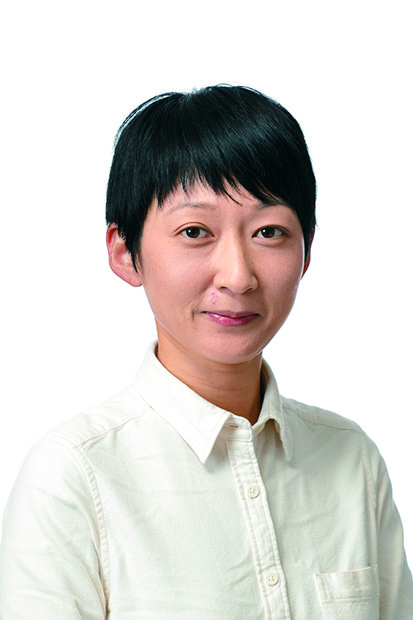
写真a

 
KAWANO NATSUKO
 
Organization
Undergraduate School School of Agriculture Professor
Title
Professor
External link

Research Interests

  • Internal fertilization

  • Reproduction

  • 生殖生物学

  • Reproductive immunology

  • Fertilization

  • Seminal plasma

Research Areas

  • Life sciences / Animal production science

  • Life sciences / Applied molecular and cellular biology

  • Life sciences / Laboratory animal science

Education

  • The University of Tokyo   Graduate School, Division of Science

    2004.4 - 2007.3

      More details

    Country/Region: Japan

    researchmap

  • Hiroshima University   Graduate School, Division of Biophere Sciences

    2003.4 - 2004.3

      More details

    Country/Region: Japan

    researchmap

  • Hiroshima University   Graduate School, Division of Biophere Sciences

    2001.4 - 2003.3

      More details

    Country/Region: Japan

    researchmap

  • Hiroshima University   Faculty of Applied Biological Science

    1997.4 - 2001.3

      More details

    Country/Region: Japan

    researchmap

Research History

  • Meiji University   School of Agriculture Department of Life Sciences   Professor

    2025.4

      More details

  • Meiji University   School of Agriculture, Department of Life Sciences   Associate Professor

    2019.4 - 2025.3

      More details

  • Meiji University   School of Agriculture, Department of Life Sciences   Senior Assistant Professor

    2015.4 - 2019.3

      More details

  • Special researcher of the Japan Society for the Promotion of Science

    2014.4 - 2015.3

      More details

  • Special researcher of the Japan Society for the Promotion of Science

    2010.4 - 2014.3

      More details

  • Researcher

    2009.4 - 2010.3

      More details

  • Researcher

    2007.4 - 2009.3

      More details

  • Special researcher of the Japan Society for the Promotion of Science

    2003.4 - 2004.3

      More details

▼display all

Professional Memberships

Papers

  • Methods for Collecting and Analyzing Post-Ejaculatory Uterine Fluid and the Uterus in Mice. International journal

    Yu Matsumoto, Ban Sato, Masafumi Inui, Manato Sunamoto, Natsuko Kawano, Kenji Miyado

    Bio-protocol   15 ( 24 )   e5544   2025.12

     More details

    Language:English   Publishing type:Research paper (scientific journal)  

    In mammals, the semen is ejaculated into the female reproductive tract, and the sperm travel to the oviduct to fertilize the egg. A comprehensive understanding of the pre- and post-ejaculatory intrauterine environment is one of the key points for overcoming infertility; however, the dynamics of the intrauterine environment and its physiological role in the uterus, namely in the internal fertilization process, remain unclear. Conventional methods for collecting uterine fluids from the uterus post-ejaculation of mice show challenges regarding the ambiguous ejaculation timing. Here, we established a method for a mating environment with exact ejaculation timing. We also created a simple method for collecting pre- and post-ejaculatory uterine fluid without using forceps. Our methods achieved time-dependent biochemical and histological analyses of uterine fluids to provide fundamental information regarding protein composition and uterine structure changes during pre- and post-ejaculation. This protocol is suitable for analyzing temporal changes in reproductive phenomena, thereby contributing to elucidating the physiological role of the uterus in the process of intrauterine fertilization. Key features • This protocol is used for the simple collection of pre- and post-ejaculatory uterine fluid. • Changes in the pre- and post-ejaculatory intrauterine environment can be examined by controlling the dissection time of females after ejaculation. • An estrous female can be determined without a vaginal smear test in this protocol. • This protocol can be used to analyze the protein composition of post-ejaculatory uterine fluid and is applicable to analyze sperm within the uterus post-ejaculation.

    DOI: 10.21769/BioProtoc.5544

    PubMed

    researchmap

  • Repressive S-adenosylmethionine biosynthesis status inhibits transcription of HeT-A retrotransposon in the germline of Drosophila. Reviewed International journal

    Yoshiki Hayashi, Shinjiro Hino, Tetsuya Sato, Soshiro Kashio, Kiito Otsubo, Kuniaki Saito, Ban Sato, Natsuko Kawano, Daisuke Saito, Masayuki Miura, Mikita Suyama, Mitsuyoshi Nakao, Satoru Kobayashi

    Journal of biochemistry   2025.7

     More details

    Language:English   Publishing type:Research paper (scientific journal)  

    S-adenosylmethionine (SAM) is the major cellular methyl donor and regulates gene expression through epigenetic and other methylation-related processes. While SAM biosynthesis influences a variety of biological phenomena including aging and disease, its cell type-specific regulation and functional implications remain poorly understood. In this study, we report that the Drosophila germline exhibits a uniquely repressive SAM biosynthesis status during gametogenesis, as indicated by low expression of SAM synthetase (Sam-S), a key enzyme for SAM production. Experimentally enhancing SAM biosynthesis in the germline led to increased expression of retrotransposons, with HeT-A, a telomere-specific element, showing the most pronounced response. We also observed increased promoter activity of HeT-A under high SAM conditions, along with accumulation of N6-methyladenine (6mA), the major form of DNA methylation in the Drosophila genome. Although a direct causal link between 6mA levels and transcription was not broadly observed across other retrotransposons or genes, these results raise the possibility that SAM levels modulate HeT-A expression at least in part through DNA methylation. Our findings highlight a previously underexplored metabolic feature of the Drosophila germline and suggest that SAM availability contributes to the regulation of retrotransposon activity in a lineage-specific manner.

    DOI: 10.1093/jb/mvaf041

    PubMed

    researchmap

  • Seminal vesicle protein caCA12 in Corydoras aeneus inhibits sperm motility for sperm drinking. Reviewed International journal

    Junki Yoshida, Maho Yamamoto, Junki Kamiya, Akinaga Kondo, Yukihito Sakaguchi, Nanami Morino, Takako Saito, Masanori Kohda, Satoshi Awata, Ban Sato, Kenji Miyado, Natsuko Kawano

    Journal of experimental biology   228 ( 9 )   2025.5

     More details

    Authorship:Last author, Corresponding author   Language:English   Publishing type:Research paper (scientific journal)  

    Seminal vesicle (SV) secretions enhance fertilization by regulating sperm motility and fertilization capacity, and by forming plugs that prevent mating with other males. Although SVs are rare in teleosts, certain species, such as Corydoras spp., do possess them. In Corydoras spp. and other species that exhibit sperm drinking or related behaviors, females attach their mouths to the males' genital pore to ingest semen, a reproductive behavior known as sperm drinking. However, the major proteins and functions of seminal vesicle fluid (SVF) in Corydoras remain unidentified. This study aimed to identify the SVF proteins in Corydoras aeneus and clarify the functions of the identified major SVF proteins. The SVF of this species was found to be highly viscous with a high protein concentration. Sperm motility was strongly suppressed in the presence of the SVF. We identified three SVF proteins - alpha-2-macroglobulin (A2M), carbonic anhydrase 12 (CA12) and lymphocyte antigen 6 (Ly6) - through RNA sequencing (RNA-Seq), LC-MS/MS and amino acid sequencing. Additionally, we found that the identified CA12, termed 'caCA12,' was degraded into about 10 kDa and 33 kDa polypeptides containing the CA domain. The 33 kDa polypeptide with the CA domain was found to inhibit sperm motility. The identified SVF proteins, including caCA12, may play a role in keeping sperm in an immotile state until they are close to the female ova, facilitating the remarkable sperm drinking reproductive process observed in C. aeneus.

    DOI: 10.1242/jeb.250293

    PubMed

    researchmap

  • Comprehensive observation of histone lysine lactylation during gametogenesis of Drosophila melanogaster. Reviewed International journal

    Yoshiki Hayashi, Ban Sato, Rio Kageyama, Kenji Miyado, Daisuke Saito, Satoru Kobayashi, Natsuko Kawano

    Developmental dynamics : an official publication of the American Association of Anatomists   2025.3

     More details

    Authorship:Last author   Language:English   Publishing type:Research paper (scientific journal)  

    BACKGROUND: Histone post-translational modification (PTM) is an important epigenomic regulation content and an essential process regulating gene expression. Histone lysine lactylation is the newly identified histone PTM that utilizes the lactyl moiety for its modification. Although histone lysine lactylation is considered an essential outcome of the Wardburg effects and the interconnection between cellular metabolism and gene regulation, the developmental contexts involving this PTM are largely unknown. In this study, we comprehensively observed histone lysine lactylation during Drosophila oogenesis, one of the developmental contexts in which chromatin regulation plays crucial roles. RESULTS: Our study revealed that lactylation on the specific histone lysine mainly occurs in the oocyte karyosome and condensed meiotic chromosome, suggesting histone lysine lactylation has a vital role in female meiosis. Interestingly, one of the histone lysine lactylations, lactylation of lysine 14 of histone H3, is intensively observed in the meiotic germline in the mouse ovary, suggesting that lactylation has an evolutionarily conserved role. CONCLUSIONS: Our results revealed that histone lysine lactylation is predominantly present in transcriptionally repressive meiotic chromatin, which contradicts the previously reported function of histone lactylation in transcriptional activation. This study, therefore, provides the first fundamental information to understand the role of histone lysine lactylation in the germline and repressive chromatin.

    DOI: 10.1002/dvdy.70010

    PubMed

    researchmap

  • Complement Factor B Deficiency Is Dispensable for Female Fertility but Affects Microbiome Diversity and Complement Activity. Reviewed International journal

    Manato Sunamoto, Kazunori Morohoshi, Ban Sato, Ryo Mihashi, Masafumi Inui, Mitsutoshi Yamada, Kenji Miyado, Natsuko Kawano

    International journal of molecular sciences   26 ( 3 )   2025.2

     More details

    Authorship:Last author, Corresponding author   Language:English   Publishing type:Research paper (scientific journal)  

    Complement factor B (CFB) is a crucial component for the activation of the alternative pathway due to the formation of the C3 convertase with C3b, which further produces C3b to enhance the overall complement activity. Although Cfb is expressed not only in the immune tissues, but also in the reproductive tract, the physiological role of the alternative complement pathway in reproduction remains unclear. In this study, we addressed this issue by producing Cfb-knockout (KO) mice and analyzing their phenotypes. Sperm function, number of ovulated oocytes, and litter size were normal in KO mice. In contrast, the diversity of microbiomes in the gut and vaginal tract significantly increased in KO mice. Some serine protease activity in the serum from KO mice was lower than that of wild-type mice. Since the serum from KO mice showed significantly lower activity of the alternative complement pathway, CFB was found to be essential for this pathway. Our results indicate that although the alternative pathway is dispensable for normal fertility and development, it maintains the gut and vaginal microbiomes by suppressing their diversity and activating the alternative complement pathway.

    DOI: 10.3390/ijms26031393

    PubMed

    researchmap

  • Dynamics of post-ejaculated intrauterine environment in mice. International journal

    Yu Matsumoto, Ban Sato, Masafumi Inui, Natsuko Kawano, Kenji Miyado

    microPublication biology   2025   2025

     More details

    Language:English   Publishing type:Research paper (scientific journal)  

    After ejaculation, the intrauterine environment undergoes dynamic fluid changes due to post-ejaculated uterine fluid (eUF) coagulation and subsequent liquefaction. These changes presumably contribute to fertilization and reproductive efficiency; however, their physiological roles remain unclear. We studied the significance of the post-ejaculated intrauterine environment during in vivo fertilization. eUF coagulated immediately after ejaculation, and histological analysis of the uterus suggested that eUF liquefaction was promoted 6-10 h post-ejaculation. However, most gametes completed fertilization within 4 h post-ejaculation. Since eUF fluid changes did not align with fertilization timing, they are assumed to contribute to reproductive phenomena beyond sperm transport and release.

    DOI: 10.17912/micropub.biology.001872

    PubMed

    researchmap

  • CD9 protects the sperm from cytotoxic factors in the epididymis as extracellular components Reviewed

    Woojin Kang, Kazuki Sugiyama, Daiki Katano, Sae Horiike, Hiromu Morimoto, Ban Sato, Natsuko Kawano, Mitsutoshi Yamada, Mami Miyado, Kenji Miyado

    microPublication Biology   2023.10

     More details

    Language:English   Publishing type:Research paper (scientific journal)  

    DOI: 10.17912/micropub.biology.000950

    researchmap

  • Long days restore regular estrous cyclicity in mice lacking circadian rhythms. Reviewed International journal

    Takahiro J Nakamura, Nana N Takasu, Sayuri Sakazume, Yu Matsumoto, Natsuko Kawano, Julie S Pendergast, Shin Yamazaki, Wataru Nakamura

    Heliyon   9 ( 6 )   e16970   2023.6

     More details

    Language:English   Publishing type:Research paper (scientific journal)  

    Many female mammals have recurring cycles of ovulation and sexual behaviors that are regulated by reproductive hormones and confer reproductive success. In addition to sexual behaviors, circadian behavioral rhythms of locomotor activity also fluctuate across the estrous cycle in rodents. Moreover, there is a bidirectional relationship between circadian rhythms and estrous cyclicity since mice with disrupted circadian rhythms also have compromised estrous cycles resulting in fewer pregnancies. In the present study, we assessed whether extending day length, which alters circadian rhythms, normalizes estrous cyclicity in mice. We found that Period (Per) 1/2/3 triple knockout (KO) mice, that have disabled canonical molecular circadian clocks, have markedly disrupted estrous cycles. Surprisingly, extending the day length by only 2 h per day restored regular 4- or 5-day estrous cycles to Per1/2/3 KO mice. Longer days also induced consistent 4-day, rather than 5-day, estrous cycles in wild-type C57BL/6J mice. These data demonstrate that extending daytime light exposure could be used for enhancing reproductive success.

    DOI: 10.1016/j.heliyon.2023.e16970

    PubMed

    researchmap

  • Proteasome-Associated Proteins, PA200 and ECPAS, Are Essential for Murine Spermatogenesis Reviewed

    Ban Sato, Jiwoo Kim, Kazunori Morohoshi, Woojin Kang, Kenji Miyado, Fuminori Tsuruta, Natsuko Kawano, Tomoki Chiba

    Biomolecules   13 ( 4 )   586 - 586   2023.3

     More details

    Publishing type:Research paper (scientific journal)   Publisher:MDPI AG  

    Proteasomes are highly sophisticated protease complexes that degrade non-lysosomal proteins, and their proper regulation ensures various biological functions such as spermatogenesis. The proteasome-associated proteins, PA200 and ECPAS, are predicted to function during spermatogenesis; however, male mice lacking each of these genes sustain fertility, raising the possibility that these proteins complement each other. To address this issue, we explored these possible roles during spermatogenesis by producing mice lacking these genes (double-knockout mice; dKO mice). Expression patterns and quantities were similar throughout spermatogenesis in the testes. In epididymal sperm, PA200 and ECPAS were expressed but were differentially localized to the midpiece and acrosome, respectively. Proteasome activity was considerably reduced in both the testes and epididymides of dKO male mice, resulting in infertility. Mass spectrometric analysis revealed LPIN1 as a target protein for PA200 and ECPAS, which was confirmed via immunoblotting and immunostaining. Furthermore, ultrastructural and microscopic analyses demonstrated that the dKO sperm displayed disorganization of the mitochondrial sheath. Our results indicate that PA200 and ECPAS work cooperatively during spermatogenesis and are essential for male fertility.

    DOI: 10.3390/biom13040586

    researchmap

  • Sodium Hexametaphosphate Serves as an Inducer of Calcium Signaling Reviewed

    Daiki Katano, Woojin Kang, Yuichirou Harada, Natsuko Kawano, Mami Miyado, Takako Saito, Mio Fukuoka, Mitsutoshi Yamada, Kenji Miyado

    Biomolecules   13 ( 4 )   577 - 577   2023.3

     More details

    Publishing type:Research paper (scientific journal)   Publisher:MDPI AG  

    In bacteria, polymers of inorganic phosphates, particularly linear polyphosphate, are used as alternative phosphate donors for adenosine triphosphate production. A six-chain form of sodium metaphosphate, sodium hexametaphosphate (SHMP), is believed to have no physiological functions in mammalian cells. In this study, we explored the possible effects of SHMP on mammalian cells, using mouse oocytes, which are useful for observing various spatiotemporal intracellular changes. Fertilization-competent oocytes were isolated from the oviducts of superovulated mice and cultured in an SHMP-containing medium. In the absence of co-incubation with sperm, SHMP-treated oocytes frequently formed pronuclei and developed into two-cell embryos owing to the increase in calcium concentration in the cytoplasm. We discovered an intriguing role for SHMP as an initiator of calcium rise in mouse oocytes, presumably in a wide variety of mammalian cells.

    DOI: 10.3390/biom13040577

    researchmap

  • Embryonic β-Catenin Is Required for Priming of the Uterus to Implantation Reviewed

    Youki Takezawa, Maki Iwai, Yukiko Fujiki, Ryo Yokomizo, Harue Kishigami, Mami Miyado, Natsuko Kawano, Mitsutoshi Yamada, Miyuki Shindo, Miki Suzuki, Ban Sato, Daiki Katano, Shintaro Kamijo, Toshio Hamatani, Mamoru Tanaka, Akihiro Umezawa, Woojin Kang, Kenji Miyado

    Laboratory Investigation   103 ( 3 )   100026 - 100026   2023.1

     More details

    Publishing type:Research paper (scientific journal)   Publisher:Elsevier BV  

    DOI: 10.1016/j.labinv.2022.100026

    researchmap

  • Identification of a putative syncytin gene in a non-rodent laboratory mammal, Suncus murinus Reviewed

    Miki SUZUKI, Akihiro NAKAMURA, Yu MATSUMOTO, Woojin KANG, Minoru ICHINOSE, Natsuko KAWANO, Mitsutoshi YAMADA, Miyuki SHINDO, Daiki KATANO, Takako SAITO, Yuichirou HARADA, Mami MIYADO, Kenji MIYADO

    Journal of Veterinary Medical Science   85 ( 9 )   912 - 920   2023

     More details

    Publishing type:Research paper (scientific journal)   Publisher:Japanese Society of Veterinary Science  

    DOI: 10.1292/jvms.22-0555

    researchmap

  • Trehalose Suppresses Lysosomal Anomalies in Supporting Cells of Oocytes and Maintains Female Fertility. Reviewed International journal

    Woojin Kang, Eri Ishida, Mitsuyoshi Amita, Kuniko Tatsumi, Hitomi Yonezawa, Miku Yohtsu, Daiki Katano, Kae Onozawa, Erika Kaneko, Wakako Iwasaki, Natsuko Naito, Mitsutoshi Yamada, Natsuko Kawano, Mami Miyado, Ban Sato, Hidekazu Saito, Takakazu Saito, Kenji Miyado

    Nutrients   14 ( 10 )   2022.5

     More details

    Language:English   Publishing type:Research paper (scientific journal)  

    Supporting cells of oocytes, i.e., cumulus cells, control oocyte quality, which determines fertilization success. Therefore, the transformation of mature and immature cumulus cells (MCCs and ICCs, respectively) into dysmature cumulus cells (DCCs) with dead characteristics deteriorates oocyte quality. However, the molecular basis for this transformation remains unclear. Here, we explored the link between autophagic decline and cumulus transformation using cumulus cells from patients with infertility, female mice, and human granulosa cell-derived KGN cell lines. When human cumulus cells were labeled with LysoTracker probes, fluorescence corresponding to lysosomes was enhanced in DCCs compared to that in MCCs and ICCs. Similarly, treatment with the autophagy inhibitor chloroquine elevated LysoTracker fluorescence in both mouse cumulus cells and KGN cells, subsequently suppressing ovulation in female mice. Electron microscopy analysis revealed the proliferation of abnormal lysosomes in chloroquine-treated KGN cells. Conversely, the addition of an autophagy inducer, trehalose, suppressed chloroquine-driven problematic lysosomal anomalies and ameliorated ovulation problems. Our results suggest that autophagy maintains the healthy state of the supporting cells of human oocytes by suppressing the formation of lysosomes. Thus, our results provide insights into the therapeutic effects of trehalose on female fertility.

    DOI: 10.3390/nu14102156

    PubMed

    researchmap

  • Regulatory role of CsuR (YiaU) in determination of cell surface properties of Escherichia coli K-12. Reviewed International journal

    Tomohiro Shimada, Rie Murayama, Tomoki Mashima, Natsuko Kawano, Akira Ishihama

    Microbiology (Reading, England)   168 ( 4 )   2022.4

     More details

    Language:English   Publishing type:Research paper (scientific journal)  

    Genomic SELEX screening was performed to identify the binding sites of YiaU, an uncharacterized LysR family transcription factor, on the Escherichia coli K-12 genome. Five high-affinity binding targets of YiaU were identified, all of which were involved in the structures of the bacterial cell surface such as outer and inner membrane proteins, and lipopolysaccharides. Detailed in vitro and in vivo analyses suggest that YiaU activates these target genes. To gain insight into the effects of YiaU in vivo on physiological properties, we used phenotype microarrays, biofilm screening assays and the sensitivity against serum complement analysed using a yiaU deletion mutant or YiaU expression strain. Together, these results suggest that the YiaU regulon confers resistance to some antibiotics, and increases biofilm formation and complement sensitivity. We propose renaming YiaU as CsuR (regulator of cell surface).

    DOI: 10.1099/mic.0.001166

    PubMed

    researchmap

  • Suppressive Role of Lactoferrin in Overweight-Related Female Fertility Problems Reviewed

    Sato B, Kanai S, SakaguchiD, Yajima K, Matsumoto Y, Morohoshi K, Kagaya S, Izumo N, Ichinose M, Kang W, Miyado M, Miyado K, Kawano N

    14 ( 5 )   938   2022.2

     More details

    Authorship:Last author, Corresponding author   Language:English   Publishing type:Research paper (scientific journal)  

    researchmap

  • Extra-mitochondrial citrate synthase controls cAMP-dependent pathway during sperm acrosome reaction in mice. Reviewed International journal

    Woojin Kang, Daiki Katano, Natsuko Kawano, Mami Miyado, Kenji Miyado

    microPublication biology   2022   2022

     More details

    Language:English   Publishing type:Research paper (scientific journal)  

    The sperm consumes adenosine triphosphate (ATP) to maintain the cellular function, viability, acrosome reaction (AR), and motility. Extra-mitochondrial citrate synthase (eCS) catalyzes citrate production in the sperm head, and thus regulates sperm function through ATP synthesis, similarly to CS. This study aimed to investigate how eCS regulates AR. Herein, acrosome-reacted (ARed) sperms were rarely detected on the zona pellucida, and spontaneous ARed sperm in eCs -deficient (KO) sperm remained at low levels even with induced capacitation. Retarded AR of eCs -KO sperm was enhanced by cyclic adenosine 3',5'-monophosphate (cAMP) treatment. In conclusion, eCS regulates AR via a cAMP-dependent pathway, which presumably contributes to sperm metabolism.

    DOI: 10.17912/micropub.biology.000579

    PubMed

    researchmap

  • Effects of tris(1,3-dichloro-2-propyl) phosphate on epididymal sperm parameters in adult male rats. Reviewed

    Kobayashi S, Kawano N, Miyado K, Ohta R, Akimoto T, Hatakeyama T, Kawaguchi M

    The Journal of Veterinary Medical Science   2021.12

     More details

    Language:English   Publishing type:Research paper (scientific journal)   Publisher:Japanese Society of Veterinary Science  

    DOI: 10.1292/jvms.21-0046

    researchmap

  • Sperm acrosome status before and during fertilization in the Chinese hamster (Cricetulus griseus), and observation of oviductal vesicles and globules. Reviewed

    Tateno H, Tamura-Nakano M, Kusakabe H, Hirohashi N, Kawano N, Yanagimachi R

    Molecular Reproduction and Development   88 ( 12 )   793 - 804   2021.12

     More details

    Language:English   Publishing type:Research paper (scientific journal)   Publisher:Wiley  

    DOI: 10.1002/mrd.23547

    researchmap

    Other Link: https://onlinelibrary.wiley.com/doi/full-xml/10.1002/mrd.23547

  • Identification of an antibacterial polypeptide in mouse seminal vesicle secretions. Reviewed International journal

    Kazunori Morohoshi, Takeo Yamazaki, Keiji Kito, Ban Sato, Woojin Kang, Taku Hibino, Manabu Yoshida, Kaoru Yoshida, Teruaki Iwamoto, Mitsutoshi Yamada, Kenji Miyado, Natsuko Kawano

    Journal of reproductive immunology   148   103436 - 103436   2021.10

     More details

    Authorship:Last author, Corresponding author   Language:English   Publishing type:Research paper (scientific journal)  

    In both men and women, pathogenic bacteria enter the reproductive tract and cause harmful symptoms. Intrauterine and oviductal inflammation after copulation may have severe effects, such as infertility, implantation failure, oviduct obstruction, and robust life-threatening bacterial infection. Human seminal plasma is considered to be protective against bacterial infection. Among its components, Semenogelin-I/-II proteins are digested to function as bactericidal factors; however, their sequences are not conserved in mammals. Therefore, alternative antibacterial (bactericidal and/or bacteriostatic) systems may exist across mammals. In this study, we examined the antibacterial activity in the seminal plasma of mice lacking a gene cluster encoding Semenogelin-I/-II counterparts. Even in the absence of the majority of seminal proteins, antibacterial activity remained in the seminal plasma. Moreover, a combination of gel chromatography and liquid chromatography coupled with tandem mass spectrometry revealed that the prostate and testis expressed 4 protein as a novel antibacterial (specifically, bacteriostatic) protein, the sequence of which is broadly conserved across mammals. Our results provide the first evidence of a bacteriostatic protein that is widely present in the mammalian seminal plasma.

    DOI: 10.1016/j.jri.2021.103436

    PubMed

    researchmap

  • Similar responsiveness between C57BL/6N and C57BL/6J mouse substrains to superovulation. Reviewed International journal

    Miyuki Shindo, Hideki Tsumura, Kenji Miyado, Woojin Kang, Natsuko Kawano, Tomoko Yoshida, Maki Fukami, Mami Miyado

    microPublication biology   2021   2021.2

     More details

    Language:English   Publishing type:Research paper (scientific journal)  

    Superovulation is a method for the drug-induced release of multiple eggs and useful for in vitro fertilization. Thus, its high efficiency largely reduces the number of mice used per experiment. We compared the responsivity to superovulation between C57BL/6N (B6N) and C57BL/6J (B6J) substrains. The average number of ovulated eggs was strikingly higher in both substrains treated with anti-inhibin serum (AIS) plus equine chorionic gonadotropin (eCG) than those treated with eCG alone. Our data indicate that hypothalamus-pituitary-ovarian axis similarly responds to eCG treatment in B6N and B6J mice, and that this responsiveness is enhanced by the presence of AIS.

    DOI: 10.17912/micropub.biology.000375

    PubMed

    researchmap

  • Suppression of Non-Random Fertilization by MHC Class I Antigens. Reviewed International journal

    Junki Kamiya, Woojin Kang, Keiichi Yoshida, Ryota Takagi, Seiya Kanai, Maito Hanai, Akihiro Nakamura, Mitsutoshi Yamada, Yoshitaka Miyamoto, Mami Miyado, Yoko Kuroki, Yoshiki Hayashi, Akihiro Umezawa, Natsuko Kawano, Kenji Miyado

    International journal of molecular sciences   21 ( 22 )   2020.11

     More details

    Language:English   Publishing type:Research paper (scientific journal)  

    Hermaphroditic invertebrates and plants have a self-recognition system on the cell surface of sperm and eggs, which prevents their self-fusion and enhances non-self-fusion, thereby contributing to genetic variation. However, the system of sperm-egg recognition in mammals is under debate. To address this issue, we explored the role of major histocompatibility complex class I (MHC class I, also known as histocompatibility 2-Kb or H2-Kb and H2-Db in mice) antigens by analyzing H2-Kb-/-H2-Db-/-β2-microglobulin (β2M)
    -/-
    triple-knockout (T-KO) male mice with full fertility. T-KO sperm exhibited an increased sperm number in the perivitelline space of wild-type (WT) eggs in vitro. Moreover, T-KO sperm showed multiple fusion with zona pellucida (ZP)-free WT eggs, implying that the ability of polyspermy block for sperm from T-KO males was weakened in WT eggs. When T-KO male mice were intercrossed with WT female mice, the percentage of females in progeny increased. We speculate that WT eggs prefer fusion with T-KO sperm, more specifically X-chromosome-bearing sperm (X sperm), suggesting the presence of preferential (non-random) fertilization in mammals, including humans.

    DOI: 10.3390/ijms21228731

    PubMed

    researchmap

  • Human Semenogelin 1 Promotes Sperm Survival in the Mouse Female Reproductive Tract. Reviewed International journal

    Sakaguchi D, Miyado K, Iwamoto T, Okada H, Yoshida K, Kang W, Suzuki M, Yoshida M, Kawano N

    International journal of molecular sciences   21 ( 11 )   2020.5

     More details

    Authorship:Corresponding author   Language:English   Publishing type:Research paper (scientific journal)  

    Semenogelin 1 (SEMG1), a main component of human seminal plasma, is a multi-functional protein involved in the regulation of sperm motility and fertility. SEMG1 is orthologous to mouse seminal vesicle secretion 2 (SVS2), required for sperm survival in the female reproductive tract after copulation; however, its in vivo function remains unclear. In this study, we addressed this issue by examining the effect of recombinant SEMG1 on intrauterine mouse sperm survival. SEMG1 caused a dose-dependent decrease in mouse sperm motility, similar to its effect on human sperm, but SVS2 had no effect on mouse sperm motility. Mouse epididymal sperm in the presence of 100 µM SEMG1, a concentration that does not affect mouse sperm motility, were injected into the mouse uterus (intrauterine insemination, IUI). IUI combined with SEMG1 significantly increased the survival rate of intrauterine mouse sperm. The effect of SEMG1 on intrauterine sperm survival was comparable with that of SVS2. For clinical applications, three potentially sperm-protecting polypeptides that are easy to handle were designed from SEMG1, but their individual use was unable to mimic the ability of SEMG1. Our results indicate that SEMG1 has potential clinical applications for effective IUI and thereby for safe, simple, and effective internal fertilization.

    DOI: 10.3390/ijms21113961

    PubMed

    researchmap

  • Extra-mitochondrial citrate synthase initiates calcium oscillation and suppresses age-dependent sperm dysfunction. Reviewed International journal

    Woojin Kang, Yuichirou Harada, Kenji Yamatoya, Natsuko Kawano, Seiya Kanai, Yoshitaka Miyamoto, Akihiro Nakamura, Mami Miyado, Yoshiki Hayashi, Yoko Kuroki, Hidekazu Saito, Yasuhiro Iwao, Akihiro Umezawa, Kenji Miyado

    Laboratory investigation; a journal of technical methods and pathology   100 ( 4 )   583 - 595   2020.4

     More details

    Language:English   Publishing type:Research paper (scientific journal)  

    Men and women become infertile with age, but the mechanism of declining male fertility, more specifically, the decrease in in sperm quality, is not well known. Citrate synthase (CS) is a core enzyme of the mitochondrial tricarboxylic acid (TCA) cycle, which directly controls cellular function. Extra-mitochondrial CS (eCS) is produced and abundant in the sperm head; however, its role in male fertility is unknown. We investigated the role of eCS in male fertility by producing eCs-deficient (eCs-KO) mice. The initiation of the first spike of Ca2+ oscillation was substantially delayed in egg fused with eCs-KO sperm, despite normal expression of sperm factor phospholipase C zeta 1. The eCs-KO male mice were initially fertile, but the fertility dropped with age. Metabolomic analysis of aged sperm revealed that the loss of eCS enhances TCA cycle in the mitochondria with age, presumably leading to depletion of extra-mitochondrial citrate. The data suggest that eCS suppresses age-dependent male infertility, providing insights into the decline of male fertility with age.

    DOI: 10.1038/s41374-019-0353-3

    PubMed

    researchmap

  • Extra-mitochondrial citrate synthase initiates calcium oscillation and suppresses age-dependent sperm dysfunction (vol 75, pg 847, 2019)

    Woojin Kang, Yuichirou Harada, Kenji Yamatoya, Natsuko Kawano, Seiya Kanai, Yoshitaka Miyamoto, Akihiro Nakamura, Mami Miyado, Yoshiki Hayashi, Yoko Kuroki, Hidekazu Saito, Yasuhiro Iwao, Akihiro Umezawa, Kenji Miyado

    LABORATORY INVESTIGATION   100 ( 4 )   665 - 665   2020.4

     More details

  • Microexosomes versus exosomes: Shared components but distinct structures. Reviewed International journal

    Mami Miyado, Woojin Kang, Natsuko Kawano, Kenji Miyado

    Regenerative therapy   11   31 - 33   2019.12

     More details

    Language:English   Publishing type:Research paper (scientific journal)  

    DOI: 10.1016/j.reth.2019.04.013

    PubMed

    researchmap

  • Calaxin is required for cilia-driven determination of vertebrate laterality Reviewed

    Keita Sasaki, Kogiku Shiba, Akihiro Nakamura, Natsuko Kawano, Yuhkoh Satouh, Hiroshi Yamaguchi, Motohiro Morikawa, Daisuke Shibata, Ryuji Yanase, Kei Jokura, Mami Nomura, Mami Miyado, Shuji Takada, Hironori Ueno, Shigenori Nonaka, Tadashi Baba, Masahito Ikawa, Masahide Kikkawa, Kenji Miyado, Kazuo Inaba

    Communications Biology   2 ( 1 )   2019.12

     More details

    Publishing type:Research paper (scientific journal)   Publisher:Springer Science and Business Media LLC  

    DOI: 10.1038/s42003-019-0462-y

    PubMed

    researchmap

    Other Link: http://www.nature.com/articles/s42003-019-0462-y

  • Deletion of a Seminal Gene Cluster Reinforces a Crucial Role of SVS2 in Male Fertility. Reviewed International journal

    Miyuki Shindo, Masafumi Inui, Woojin Kang, Moe Tamano, Cai Tingwei, Shuji Takada, Taku Hibino, Manabu Yoshida, Kaoru Yoshida, Hiroshi Okada, Teruaki Iwamoto, Kenji Miyado, Natsuko Kawano

    International journal of molecular sciences   20 ( 18 )   2019.9

     More details

    Authorship:Corresponding author   Language:English   Publishing type:Research paper (scientific journal)  

    Multiple genes, whose functions or expression are overlapping, compensate for the loss of one gene. A gene cluster in the mouse genome encodes five seminal vesicle proteins (SVS2, SVS3, SVS4, SVS5, and SVS6). These proteins are produced by male rodents and function in formation of the copulatory plug following mating. SVS2 plays an essential role in the successful internal fertilization by protecting the sperm membrane against a uterine immune attack. We hypothesized that the four remaining seminal vesicle proteins (SVPs) of this gene cluster may partially/completely compensate for the deficiency of SVS2. For confirming our hypothesis, we generated mice lacking the entire SVP-encoding gene cluster and compared their fecundity with Svs2-deficient (Svs2-/-) mice; that is, mice deficient in Svs2 alone. A single loxP site remained after the deletion of the Svs2 gene. Therefore, we inserted another loxP site by combining the CRISPR/Cas9 system with single-stranded oligodeoxynucleotides (ssODN). Male mice lacking the entire SVP-encoding gene cluster (Svs2-6-/- mice) and thereby all five SVP proteins, generated by the deletion of 100kbp genomic DNA, showed low fecundity. However, the fecundity level was comparable with that from Svs2-/- male mice. Our results demonstrate that SVS3, SVS4, SVS5, and SVS6 do not function in the protection of sperm against a uterine immune attack in the absence of SVS2. Thus, Svs2 is the critical gene in the SVP gene cluster.

    DOI: 10.3390/ijms20184557

    PubMed

    researchmap

  • Creation of CRISPR-based germline-genome-engineered mice without ex vivo handling of zygotes by i-GONAD. Reviewed International journal

    Gurumurthy CB, Sato M, Nakamura A, Inui M, Kawano N, Islam MA, Ogiwara S, Takabayashi S, Matsuyama M, Nakagawa S, Miura H, Ohtsuka M

    Nature protocols   14 ( 8 )   2452 - 2482   2019.8

     More details

    Language:English   Publishing type:Research paper (scientific journal)  

    Methods to create genetically engineered mice involve three major steps: harvesting embryos from one set of females, microinjection of reagents into embryos ex vivo and their surgical transfer to another set of females. Although tedious, these methods have been used for more than three decades to create mouse models. We recently developed a method named GONAD (genome editing via oviductal nucleic acids delivery), which bypasses these steps. GONAD involves injection of CRISPR components (Cas9 mRNA and guide RNA (gRNA)) into the oviducts of pregnant females 1.5 d post conception, followed by in vivo electroporation to deliver the components into the zygotes in situ. Using GONAD, we demonstrated that target genes can be disrupted and analyzed at different stages of mouse embryonic development. Subsequently, we developed improved GONAD (i-GONAD) by delivering CRISPR ribonucleoproteins (RNPs; Cas9 protein or Cpf1 protein and gRNA) into day-0.7 pregnant mice, which made it suitable for routine generation of knockout and large-deletion mouse models. i-GONAD can also generate knock-in models containing up to 1-kb inserts when single-stranded DNA (ssDNA) repair templates are supplied. i-GONAD offers other advantages: it does not require vasectomized males and pseudo-pregnant females, the females used for i-GONAD are not sacrificed and can be used for other experiments, it can be easily adopted in laboratories lacking sophisticated microinjection equipment, and can be implemented by researchers skilled in small-animal surgery but lacking embryo-handling skills. Here, we provide a step-by-step protocol for establishing the i-GONAD method. The protocol takes ∼6 weeks to generate the founder mice.

    DOI: 10.1038/s41596-019-0187-x

    PubMed

    researchmap

  • Trends from 2D culture to 3D culture -Historical transition of cell culture technology- Reviewed

    Miyamoto Yoshitaka, Ikeuchi Masashi, Kawano Natsuko

    Organ Biology   27 ( 1 )   37 - 52   2019

     More details

    Language:Japanese   Publisher:The Japan Society for Organ Preservation and Biology  

    More than 100 years have passed since tissue and cell culture technology was emerged at the beginning of the 20th century. The technology has been developed with the advances of science and technology. In recent years, the research and development for creating various tissues and organs from cells have been extensively performed in the fields such as regenerative medicine, tissue engineering, and electronic engineering. The cell culture technology has been used for the two-dimensional culture previously, but nowadays the three-dimensional culture has become popular because it is close to in vivo microenvironment. Cell and tissue constructs such as spheroids and organoids formed three-dimensionally in a scaffold such as a porous membrane or hydrogel has an excellent function close to that of a living body compared to those formed in the two-dimensional culture. Furthermore, chips and devices such as organs on a chip, etc. have been developed, and they are promising tools for drug development and personalized medicine. This paper describes the history of cell culture technology, the current status of 2D and 3D culture, and their future prospects.

    DOI: 10.11378/organbio.27.37

    CiNii Research

    researchmap

  • Calaxin is required for cilia-driven determination of vertebrate laterality. Reviewed International journal

    Keita Sasaki, Kogiku Shiba, Akihiro Nakamura, Natsuko Kawano, Yuhkoh Satouh, Hiroshi Yamaguchi, Motohiro Morikawa, Daisuke Shibata, Ryuji Yanase, Kei Jokura, Mami Nomura, Mami Miyado, Shuji Takada, Hironori Ueno, Shigenori Nonaka, Tadashi Baba, Masahito Ikawa, Masahide Kikkawa, Kenji Miyado, Kazuo Inaba

    Communications biology   2   226 - 226   2019

     More details

    Language:English   Publishing type:Research paper (scientific journal)  

    Calaxin is a Ca2+-binding dynein-associated protein that regulates flagellar and ciliary movement. In ascidians, calaxin plays essential roles in chemotaxis of sperm. However, nothing has been known for the function of calaxin in vertebrates. Here we show that the mice with a null mutation in Efcab1, which encodes calaxin, display typical phenotypes of primary ciliary dyskinesia, including hydrocephalus, situs inversus, and abnormal motility of trachea cilia and sperm flagella. Strikingly, both males and females are viable and fertile, indicating that calaxin is not essential for fertilization in mice. The 9 + 2 axonemal structures of epithelial multicilia and sperm flagella are normal, but the formation of 9 + 0 nodal cilia is significantly disrupted. Knockout of calaxin in zebrafish also causes situs inversus due to the irregular ciliary beating of Kupffer's vesicle cilia, although the 9 + 2 axonemal structure appears to remain normal.

    DOI: 10.1038/s42003-019-0462-y

    PubMed

    researchmap

  • Chemotactic behavior of egg mitochondria in response to sperm fusion in mice. Reviewed International journal

    Iwai M, Harada Y, Miyabayashi R, Kang W, Nakamura A, Kawano N, Miyamoto Y, Yamada M, Hamatani T, Miyado M, Yoshida K, Saito H, Tanaka M, Umezawa A, Miyado K

    Heliyon   4 ( 11 )   e00944   2018.11

     More details

    Language:English   Publishing type:Research paper (scientific journal)  

    Mitochondria are the powerhouses of eukaryotic cells and their positioning contributes to fertilization and early developmental processes. We report that sperm fusion triggers Ca2+ oscillations and mitochondrial movement toward fused sperm (mitochondrial chemotaxis) in mouse eggs. Mitochondria functioned in Ca2+ storage and were colocalized with endoplasmic reticulum (ER) during Ca2+ oscillations. Mitochondria then moved toward the fused sperm. Sperm extracts lacking nuclei induced Ca2+ oscillations, but did not promote mitochondrial chemotaxis. Our results suggest that sperm fusion motivates Ca2+ oscillation-independent mitochondrial chemotaxis. This phenomenon indicates that egg mitochondria interact with sperm materials, presumably nuclear substances, and their network tethers egg and sperm nuclei at the early stage of zygote formation.

    DOI: 10.1016/j.heliyon.2018.e00944

    PubMed

    researchmap

  • Autophagy-disrupted LC3 abundance leads to death of supporting cells of human oocytes. Reviewed International journal

    Kang W, Ishida E, Yamatoya K, Nakamura A, Miyado M, Miyamoto Y, Iwai M, Tatsumi K, Saito T, Saito K, Kawano N, Hamatani T, Umezawa A, Miyado K, Saito H

    Biochemistry and biophysics reports   15   107 - 114   2018.9

     More details

    Language:English   Publishing type:Research paper (scientific journal)  

    Autophagic recycling of cell parts is generally termed as the opposite of cell death. Here, we explored the relation between cell death and autophagy by examining granulosa cell layers that control oocyte quality, which is important for the success of fertilization. Granulosa cell layers were collected from infertile women and morphologically divided into four types, viz., mature (MCCs), immature (ICCs), and dysmature cumulus cells (DCCs), and mural granulosa cells (MGCs). Microtubule-associated protein light chain 3 (LC3), which is involved in autophagosome formation, was expressed excessively in DCCs and MGCs, and their chromosomal DNA was highly fragmented. However, autophagy initiation was limited to MGCs, as indicated by the expression of membrane-bound LC3-II and autophagy-related protein 7 (ATG7), an enzyme that converts LC3-I to LC3-II. Although pro-LC3 was accumulated, autophagy was disabled in DCCs, resulting in cell death. Our results suggest the possibility that autophagy-independent accumulation of pro-LC3 proteins leads to the death of human granulosa cells surrounding the oocytes and presumably reduces oocyte quality and female fertility.

    DOI: 10.1016/j.bbrep.2018.08.002

    PubMed

    researchmap

  • Degradation of phosphate polymer polyP enhances lactic fermentation in mice. Reviewed International journal

    Nakamura A, Kawano N, Motomura K, Kuroda A, Sekiguchi K, Miyado M, Woojin K, Miyamoto Y, Hanai M, Iwai M, Yamada M, Hamatani T, Saito T, Saito H, Tanaka M, Umezawa A, Miyado K

    Genes to cells : devoted to molecular & cellular mechanisms   23 ( 10 )   904 - 914   2018.8

     More details

    Language:English   Publishing type:Research paper (scientific journal)  

    In bacteria, a polymer of inorganic phosphate (Pi) (inorganic polyphosphate; polyP) is enzymatically produced and consumed as an alternative phosphate donor for adenosine triphosphate (ATP) production to protect against nutrient starvation. In vertebrates, polyP has been dismissed as a "molecular fossil" due to the lack of any known physiological function. Here, we have explored its possible role by producing transgenic (TG) mice widely expressing Saccharomyces cerevisiae exopolyphosphatase 1 (ScPPX1), which catalyzes hydrolytic polyP degradation. TG mice were produced and displayed reduced mitochondrial respiration in muscles. In female TG mice, the blood concentration of lactic acid was enhanced, whereas ATP storage in liver and brain tissues was reduced significantly. Thus, we suggested that the elongation of polyP reduces the intracellular Pi concentration, suppresses anaerobic lactic acid production, and sustains mitochondrial respiration. Our results provide an insight into the physiological role of polyP in mammals, particularly in females.

    DOI: 10.1111/gtc.12639

    PubMed

    researchmap

  • Ubiquitin-activating enzyme E1 inhibitor PYR-41 retards sperm enlargement after fusion to the egg Reviewed

    Keiichi Yoshida, Woojin Kang, Akihiro Nakamura, Natsuko Kawano, Maito Hanai, Mami Miyado, Yoshitaka Miyamoto, Maki Iwai, Toshio Hamatani, Hidekazu Saito, Kenji Miyado, Akihiro Umezawa

    Reproductive Toxicology   76   71 - 77   2018.3

     More details

    Language:English   Publishing type:Research paper (scientific journal)  

    DOI: 10.1016/j.reprotox.2018.01.001

    Web of Science

    Scopus

    PubMed

    researchmap

  • Seminal Vesicle—Structure Reviewed

    Yoshida M, Kawano N, Iwamoto T, Yoshida K

    in “Encycropedia of Reproduction 2nd. Edition Vol. 1: Male Reproduction” (Eds. by Skinner, M. and Jégou, B.)   61   2018

     More details

    Language:English  

    researchmap

  • Membrane protein CD9 is repositioned and released to enhance uterine function Reviewed International journal

    Iwai M, Hamatani T, Nakamur A, Kawano N, Kanai S, Kang W, Yoshii N, Odawara Y, Yamada M, Miyamoto Y, Saito T, Saito H, Miyado M, Umezawa A, Miyado K, Tanaka M

    Laboratory Investigation   99 ( 2 )   200 - 209   2018

     More details

    Language:English   Publishing type:Research paper (scientific journal)  

    Tetraspanin CD9 is essential for sperm-egg fusion and also contributes to uterine repair through microexosome formation. Microexosomes share CD9 with exosomes and are released from eggs and uterine epithelial cells. However, the mechanism for the formation of microexosomes remains unknown. To address this issue, we examined membrane localization and extracellular release of CD9 proteins using uterine epithelial cells and secretions in mice and humans. In mice, CD9 localized predominantly on the basal region of the plasma membrane and relocated to the apical region upon embryo implantation. Furthermore, extracellular CD9 proteins were detected in uterine secretions of mice and women undergoing infertility treatment, but were below detectable levels in supernatants of pluripotent stem cells. Ultrastructural analysis demonstrated that membrane projections were shortened and the number of mitochondria was reduced in uterine epithelial cells lacking Cd9 genes. Our results suggest that CD9 repositioning and release affect both membrane structures and mitochondrial state in the uterus, and contribute to female fertility.

    DOI: 10.1038/s41374-018-0145-1

    PubMed

    researchmap

  • 難治性疾患克服バイオロジー:生殖・発生・小児疾患を中心に 母性の自然免疫が妊孕性に及ぼす影響

    河野 菜摘子, 吉田 薫, 岩本 晃明, 吉田 学, 宮戸 健二

    生命科学系学会合同年次大会   2017年度   [1AW20 - 5]   2017.12

     More details

    Language:Japanese   Publisher:生命科学系学会合同年次大会運営事務局  

    researchmap

  • Exosomes versus microexosomes: Shared components but distinct functions Reviewed

    Kenji Miyado, Woojin Kang, Kenji Yamatoya, Maito Hanai, Akihiro Nakamura, Toshiyuki Mori, Mami Miyado, Natsuko Kawano

    JOURNAL OF PLANT RESEARCH   130 ( 3 )   479 - 483   2017.5

  • Birthweights and Down syndrome in neonates that were delivered after frozen-thawed embryo transfer: The 2007-2012 Japan Society of Obstetrics and Gynecology National Registry data in Japan Reviewed

    Kenji Yamatoya, Kazuki Saito, Takakazu Saito, Woojin Kang, Akihiro Nakamura, Mami Miyado, Natsuko Kawano, Yoshitaka Miyamoto, Akihiro Umezawa, Kenji Miyado, Hidekazu Saito

    Reproductive Medicine and Biology   16 ( 2 )   228 - 234   2017.4

     More details

    Language:English   Publishing type:Research paper (scientific journal)   Publisher:Springer Tokyo  

    DOI: 10.1002/rmb2.12033

    Scopus

    PubMed

    researchmap

  • Seminal vesicle proteins SVS3 and SVS4 facilitate SVS2 effect on sperm capacitation Reviewed

    Naoya Araki, Natsuko Kawano, Woojin Kang, Kenji Miyado, Kaoru Yoshida, Manabu Yoshida

    REPRODUCTION   152 ( 4 )   313 - 321   2016.10

     More details

    Language:English   Publishing type:Research paper (scientific journal)  

    DOI: 10.1530/REP-15-0551

    Web of Science

    PubMed

    researchmap

  • Critical roles of seminal plasma on sperm migration in the female reproductive tract. Invited Reviewed

    Kang W, Kawano N, Yamatoya K, Yoshida K, Yoshida M, Miyado K

    Journal of Reproduction Engineering   18 ( 1 )   5 - 10   2016

     More details

    Language:English   Publishing type:Research paper (scientific journal)  

    researchmap

  • Breast milk stimulates growth hormone secretion in infant mice, and phosphorus insufficiency disables this ability and causes dwarfism-like symptoms Reviewed

    Akihiro Nakamura, Kenji Miyado, Kenji Yamatoya, Natsuko Kawano, Akihiro Umezawa

    Regenerative Therapy   2   49 - 56   2015.12

     More details

    Language:English   Publishing type:Research paper (scientific journal)  

    DOI: 10.1016/j.reth.2015.11.001

    Web of Science

    Scopus

    researchmap

  • Staphylococcus epidermidis is involved in a mechanism for female reproduction in mice Reviewed

    Chihiro Ono, Manabu Yoshida, Natsuko Kawano, Kenji Miyado, Akihiro Umezawa

    Regenerative Therapy   1   11 - 17   2015.6

     More details

    Language:English   Publishing type:Research paper (scientific journal)  

    DOI: 10.1016/j.reth.2014.12.003

    Web of Science

    Scopus

    researchmap

  • Epididymal C4b-binding protein is processed and degraded during transit through the duct and is not essential for fertility. Reviewed International journal

    Mayumi I Nonaka, Eva Zsigmond, Akihiko Kudo, Hayato Kawakami, Kaoru Yoshida, Manabu Yoshida, Natsuko Kawano, Kenji Miyado, Masaru Nonaka, Rick A Wetsel

    Immunobiology   220 ( 4 )   467 - 75   2015.4

     More details

    Language:English   Publishing type:Research paper (scientific journal)  

    C4b-binding protein (C4BP) is known as one of the circulating complement regulators that prevents excessive activation of the host-defense complement system. We have reported previously that C4BP is expressed abundantly in the rodent epididymis, one of the male reproductive organs connecting the testis and vas deferens, where immature spermatozoa acquire their motility and fertilizing ability during their transit through the duct. Epididymal C4BP (EpC4BP) is synthesized androgen-dependently by the epithelial cells, secreted into the lumen, and bound to the outer membrane of the passing spermatozoa. In this study, we found that EpC4BP is secreted as a large oligomer, similar to the serum C4BP, but is digested during the epididymal transit and is almost lost from both the luminal fluid and the sperm surface in the vas deferens. Such a processing pattern is not known in serum C4BP, suggesting that EpC4BP and serum C4BP might have different functional mechanisms, and that there is a novel function of EpC4BP in reproduction. In addition, the disappearance of EpC4BP from the sperm surface prior to ejaculation suggests that EpC4BP works only in the epididymis and would not work in the female reproductive tract to protect spermatozoa from complement attack. Next, we generated C4BP-deficient (C4BP-/-) mice to examine the possible role of EpC4BP in reproduction. However, the C4BP-/- mice were fertile and no significant differences were observed between the C4BP-/- and wild-type mouse spermatozoa in terms of morphology, motility, and rate of the spontaneous acrosome reaction. These results suggest that EpC4BP is involved in male reproduction, but not essential for sperm maturation.

    DOI: 10.1016/j.imbio.2014.11.001

    PubMed

    researchmap

  • Seminal Vesicle Secretion 2 Acts as a Protectant of Sperm Sterols and Prevents Ectopic Sperm Capacitation in Mice Reviewed

    Naoya Araki, Gyoergy Trencsenyi, Zoard T. Krasznai, Eniko Nizsaloczki, Ayako Sakamoto, Natsuko Kawano, Kenji Miyado, Kaoru Yoshida, Manabu Yoshida

    BIOLOGY OF REPRODUCTION   92 ( 1 )   8   2015.1

     More details

    Language:English   Publishing type:Research paper (scientific journal)  

    DOI: 10.1095/biolreprod.114.120642

    Web of Science

    PubMed

    researchmap

  • Mitochondrial fission factor Drp1 maintains oocyte quality via dynamic rearrangement of multiple organelles. Reviewed International journal

    Osamu Udagawa, Takaya Ishihara, Maki Maeda, Yui Matsunaga, Satoshi Tsukamoto, Natsuko Kawano, Kenji Miyado, Hiroshi Shitara, Sadaki Yokota, Masatoshi Nomura, Katsuyoshi Mihara, Noboru Mizushima, Naotada Ishihara

    Current biology : CB   24 ( 20 )   2451 - 8   2014.10

     More details

    Language:English   Publishing type:Research paper (scientific journal)  

    Mitochondria are dynamic organelles that change their morphology by active fusion and fission in response to cellular signaling and differentiation. The in vivo role of mitochondrial fission in mammals has been examined by using tissue-specific knockout (KO) mice of the mitochondria fission-regulating GTPase Drp1, as well as analyzing a human patient harboring a point mutation in Drp1, showing that Drp1 is essential for embryonic and neonatal development and neuronal function. During oocyte maturation and aging, structures of various membrane organelles including mitochondria and the endoplasmic reticulum (ER) are changed dynamically, and their organelle aggregation is related to germ cell formation and epigenetic regulation. However, the underlying molecular mechanisms of organelle dynamics during the development and aging of oocytes have not been well understood. Here, we analyzed oocyte-specific mitochondrial fission factor Drp1-deficient mice and found that mitochondrial fission is essential for follicular maturation and ovulation in an age-dependent manner. Mitochondria were highly aggregated with other organelles, such as the ER and secretory vesicles, in KO oocyte, which resulted in impaired Ca(2+) signaling, intercellular communication via secretion, and meiotic resumption. We further found that oocytes from aged mice displayed reduced Drp1-dependent mitochondrial fission and defective organelle morphogenesis, similar to Drp1 KO oocytes. On the basis of these findings, it appears that mitochondrial fission maintains the competency of oocytes via multiorganelle rearrangement.

    DOI: 10.1016/j.cub.2014.08.060

    PubMed

    researchmap

  • Absence of CD9 reduces endometrial VEGF secretion and impairs uterine repair after parturition Reviewed

    Natsuko Kawano, Kenji Miyado, Noriko Yoshii, Seiya Kanai, Hidekazu Saito, Mami Miyado, Noboru Inagaki, Yasushi Odawara, Toshio Hamatani, Akihiro Umezawa

    SCIENTIFIC REPORTS   4   4701   2014.4

     More details

    Language:English   Publishing type:Research paper (scientific journal)  

    DOI: 10.1038/srep04701

    Web of Science

    PubMed

    researchmap

  • Seminal vesicle protein SVS2 is required for sperm survival in the uterus Reviewed

    Natsuko Kawano, Naoya Araki, Kaoru Yoshida, Taku Hibino, Naoko Ohnami, Maako Makino, Seiya Kanai, Hidetoshi Hasuwa, Manabu Yoshida, Kenji Miyado, Akihiro Umezawa

    PROCEEDINGS OF THE NATIONAL ACADEMY OF SCIENCES OF THE UNITED STATES OF AMERICA   111 ( 11 )   4145 - 4150   2014.3

     More details

    Language:English   Publishing type:Research paper (scientific journal)  

    DOI: 10.1073/pnas.1320715111

    Web of Science

    PubMed

    researchmap

  • Critical role of exosomes in sperm-egg fusion and virus-induced cell-cell fusion Reviewed

    Yuichirou Harada, Keiichi Yoshida, Natsuko Kawano, Kenji Miyado

    Reproductive Medicine and Biology   12 ( 4 )   117 - 126   2013

     More details

    Language:English   Publisher:John Wiley and Sons Ltd  

    DOI: 10.1007/s12522-013-0152-2

    Scopus

    PubMed

    researchmap

  • Impaired Fertilizing Ability of Superoxide Dismutase 1-Deficient Mouse Sperm During In Vitro Fertilization Reviewed

    Satoshi Tsunoda, Natsuko Kawano, Kenji Miyado, Naoko Kimura, Junichi Fujii

    BIOLOGY OF REPRODUCTION   87 ( 5 )   121   2012.11

     More details

    Language:English   Publishing type:Research paper (scientific journal)  

    DOI: 10.1095/biolreprod.112.102129

    Web of Science

    PubMed

    researchmap

  • CD81 and CD9 work independently as extracellular components upon fusion of sperm and oocyte Reviewed

    Naoko Ohnami, Akihiro Nakamura, Mami Miyado, Masahiro Sato, Natsuko Kawano, Keiichi Yoshida, Yuichirou Harada, Youki Takezawa, Seiya Kanai, Chihiro Ono, Yuji Takahashi, Ken Kimura, Toshio Shida, Kenji Miyado, Akihiro Umezawa

    BIOLOGY OPEN   1 ( 7 )   640 - 647   2012.7

     More details

    Language:English   Publishing type:Research paper (scientific journal)  

    DOI: 10.1242/bio.20121420

    Web of Science

    PubMed

    researchmap

  • beta-catenin is a molecular switch that regulates transition of cell-cell adhesion to fusion Reviewed

    Youki Takezawa, Keiichi Yoshida, Kenji Miyado, Masahiro Sato, Akihiro Nakamura, Natsuko Kawano, Keiichi Sakakibara, Takahiko Kondo, Yuichirou Harada, Naoko Ohnami, Seiya Kanai, Mami Miyado, Hidekazu Saito, Yuji Takahashi, Hidenori Akutsu, Akihiro Umezawa

    SCIENTIFIC REPORTS   1   68   2011.8

     More details

    Language:English   Publishing type:Research paper (scientific journal)  

    DOI: 10.1038/srep00068

    Web of Science

    PubMed

    researchmap

  • Innate immune system still works at diapause, a physiological state of dormancy in insects Reviewed

    Akihiro Nakamura, Kenji Miyado, Youki Takezawa, Naoko Ohnami, Masahiro Sato, Chihiro Ono, Yuichirou Harada, Keiichi Yoshida, Natsuko Kawano, Seiya Kanai, Mama Miyado, Akihiro Umezawa

    BIOCHEMICAL AND BIOPHYSICAL RESEARCH COMMUNICATIONS   410 ( 2 )   351 - 357   2011.7

     More details

    Language:English   Publishing type:Research paper (scientific journal)  

    DOI: 10.1016/j.bbrc.2011.06.015

    Web of Science

    PubMed

    researchmap

  • Lipid rafts: keys to sperm maturation, fertilization, and early embryogenesis. Reviewed International journal

    Kawano N, Yoshida K, Miyado K, Yoshida M

    Journal of lipids   2011   264706 - 264706   2011

     More details

    Language:English   Publishing type:Research paper (scientific journal)  

    Cell membranes are composed of many different lipids and protein receptors, which are important for regulating intracellular functions and cell signaling. To orchestrate these activities, the cell membrane is compartmentalized into microdomains that are stably or transiently formed. These compartments are called "lipid rafts". In gamete cells that lack gene transcription, distribution of lipids and proteins on these lipid rafts is focused during changes in their structure and functions such as starting flagella movement and membrane fusion. In this paper, we describe the role of lipid rafts in gamete maturation, fertilization, and early embryogenesis.

    DOI: 10.1155/2011/264706

    PubMed

    researchmap

  • Roles of CD9 and CD9-containing exosomes in sperm-egg membrane fusion Invited Reviewed

    Natsuko Kawano, Keiichi Yoshida, Yuichiroh Harada, Naoko Onami, Yuki Takezawa, Kenji Miyado

    Journal of Mammalian Ova Research   27 ( 4 )   191 - 197   2010.10

     More details

    Language:English   Publishing type:Research paper (scientific journal)  

    DOI: 10.1274/jmor.27.191

    Scopus

    researchmap

  • Mice Lacking Two Sperm Serine Proteases, ACR and PRSS21, Are Subfertile, but the Mutant Sperm Are Infertile In Vitro Reviewed

    Natsuko Kawano, Woojin Kang, Misuzu Yamashita, Yoshitaka Koga, Taiga Yamazaki, Tamako Hata, Kenji Miyado, Tadashi Baba

    BIOLOGY OF REPRODUCTION   83 ( 3 )   359 - 369   2010.9

     More details

    Language:English   Publishing type:Research paper (scientific journal)  

    DOI: 10.1095/biolreprod.109.083089

    Web of Science

    PubMed

    researchmap

  • Phosphorylation of the MAPK Pathway has an Essential Role in the Acrosome Reaction in Miniature Pig Sperm Reviewed

    N. Kawano, J. Ito, N. Kashiwazaki, M. Yoshida

    REPRODUCTION IN DOMESTIC ANIMALS   45 ( 2 )   263 - 268   2010.4

     More details

    Language:English   Publishing type:Research paper (scientific journal)  

    DOI: 10.1111/j.1439-0531.2008.01279.x

    Web of Science

    PubMed

    researchmap

  • Functional Implications of Membrane Modification With Semenogelins for Inhibition of Sperm Motility in Humans Reviewed

    Kaoru Yoshida, Zoard Tibor Krasznai, Zoltan Krasznai, Miki Yoshiike, Natsuko Kawano, Manabu Yoshida, Masaaki Morisawa, Zoltan Toth, Zsuzsa Kassai Bazsane, Terez Marian, Teruaki Iwamoto

    CELL MOTILITY AND THE CYTOSKELETON   66 ( 2 )   99 - 108   2009.2

     More details

    Language:English   Publishing type:Research paper (scientific journal)  

    DOI: 10.1002/cm.20329

    Web of Science

    PubMed

    researchmap

  • Ganglioside GM1 Mediates Decapacitation Effects of SVS2 on Murine Spermatozoa Reviewed

    Natsuko Kawano, Kaoru Yoshida, Teruaki Iwamoto, Manabu Yoshida

    BIOLOGY OF REPRODUCTION   79 ( 6 )   1153 - 1159   2008.12

     More details

    Language:English   Publishing type:Research paper (scientific journal)  

    DOI: 10.1095/biolreprod.108.069054

    Web of Science

    PubMed

    researchmap

  • Control of sperm motility and fertility: Diverse factors and common mechanisms Reviewed

    M. Yoshida, N. Kawano, K. Yoshida

    CELLULAR AND MOLECULAR LIFE SCIENCES   65 ( 21 )   3446 - 3457   2008.11

  • Physiological roles of semenogelin I and zinc in sperm motility and semen coagulation on ejaculation in humans Reviewed

    Kaoru Yoshida, Natsuko Kawano, Miki Yoshiike, Manabu Yoshida, Teruaki Iwamoto, Masaaki Morisawa

    MOLECULAR HUMAN REPRODUCTION   14 ( 3 )   151 - 156   2008.3

     More details

    Language:English   Publishing type:Research paper (scientific journal)  

    DOI: 10.1093/molehr/gan003

    Web of Science

    PubMed

    researchmap

  • Male mice lacking both acrosin and Prss21/Tesp5 are subfertile

    Natsuko Kawano, Misuzu Yamashita, Woo-Jin Kang, Shia-ichi Kashiwabara, Tadashi Baba

    BIOLOGY OF REPRODUCTION   ( Sp. Iss. SI )   301 - 301   2008

     More details

    Language:English   Publishing type:Research paper (scientific journal)  

    Web of Science

    researchmap

  • Semen-coagulating protein, SVS2, in mouse seminal plasma controls sperm fertility Reviewed

    Natsuko Kawano, Manabu Yoshida

    BIOLOGY OF REPRODUCTION   76 ( 3 )   353 - 361   2007.3

     More details

    Language:English   Publishing type:Research paper (scientific journal)  

    DOI: 10.1095/biolreprod.106.056887

    Web of Science

    PubMed

    researchmap

  • MP-618 精子運動機構の分子機序 : 精漿中に存在する精子運動抑制因子Semenogelin蛋白と亜鉛の役割(一般演題ポスター,第94回日本泌尿器科学会総会)

    岩本 晃明, 吉池 美紀, 河野 菜摘子, 吉田 学, 吉田 薫, 森沢 正昭

    日本泌尿器科学会雑誌   97 ( 2 )   521 - 521   2006

     More details

    Language:Japanese   Publisher:一般社団法人 日本泌尿器科学会  

    DOI: 10.5980/jpnjurol.97.521_2

    CiNii Research

    researchmap

  • Activation of Raf/MEK/ERK pathway during acrosome reaction in boar sperm Reviewed

    Natsuko Kawano, Junya Ito, Manabu Yoshida

    ZOOLOGICAL SCIENCE   21 ( 12 )   1293 - 1293   2004.12

     More details

    Language:English  

    Web of Science

    researchmap

  • The role of calcium/calmodulin-dependent protein kinase II on the inactivation of MAP kinase and p34(cdc2) kinase during fertilization and activation in pig oocytes Reviewed

    J Ito, N Kawano, M Hirabayashi, M Shimada

    REPRODUCTION   128 ( 4 )   409 - 415   2004.10

     More details

    Language:English   Publishing type:Research paper (scientific journal)  

    DOI: 10.1530/rep.1.00230

    Web of Science

    PubMed

    researchmap

  • Motility and penetration competence of frozen-thawed miniature pig spermatozoa are substantially altered by exposure to seminal plasma before freezing Reviewed

    N Kawano, M Shimada, T Terada

    THERIOGENOLOGY   61 ( 2-3 )   351 - 364   2004.1

     More details

    Language:English   Publishing type:Research paper (scientific journal)  

    DOI: 10.1016/S0093-691X(03)00218-8

    Web of Science

    PubMed

    researchmap

  • Luteinizing hormone receptor formation in cumulus cells surrounding porcine oocytes and its role during meiotic maturation of porcine oocytes Reviewed

    M Shimada, M Nishibori, N Isobe, N Kawano, T Terada

    BIOLOGY OF REPRODUCTION   68 ( 4 )   1142 - 1149   2003.4

     More details

    Language:English   Publishing type:Research paper (scientific journal)  

    DOI: 10.1095/biolreprod.102.010082

    Web of Science

    PubMed

    researchmap

  • Delay of nuclear maturation and reduction in developmental competence of pig oocytes after mineral overlay of in vitro maturation media Reviewed

    M Shimada, N Kawano, T Terada

    REPRODUCTION   124 ( 4 )   557 - 564   2002.10

     More details

    Language:English   Publishing type:Research paper (scientific journal)  

    Web of Science

    PubMed

    researchmap

▼display all

MISC

  • マウス体外受精培地におけるBSA脂質の影響

    岡田楓蓮, 吉竹悠宇志, 吉竹悠宇志, 佐藤伴, 宮戸健二, 河野菜摘子

    日本生殖医学会雑誌   70 ( 1/2 )   2025

  • 射精後子宮液における凝集の生理学的意義について

    松本悠, 佐藤伴, 宮戸健二, 河野菜摘子

    日本生殖医学会雑誌   70 ( 1/2 )   2025

  • 射精後子宮液のゲル化を誘発する分子の探索

    松本悠, 佐藤伴, 宮戸健二, 河野菜摘子

    日本分子生物学会年会プログラム・要旨集(Web)   47th   2024

  • A novel regulation mechanism for host immune escape in Escherichia coli

    島田友裕, 河野菜摘子

    明治大学科学技術研究所年報   ( 64 )   2023

  • A novel regulation mechanism for host immune escape in Escherichia coli

    島田友裕, 河野菜摘子

    明治大学科学技術研究所年報   ( 63 )   2022

  • A novel regulation mechanism for host immune escape in Escherichia coli

    島田友裕, 河野菜摘子

    明治大学科学技術研究所年報   ( 62 )   2021

  • 新しい免疫抑制剤の開発 生殖学から免疫学への展開

    河野 菜摘子, 宮戸 健二

    細胞   51 ( 5 )   244 - 245   2019.5

     More details

    Language:Japanese   Publisher:(株)ニュー・サイエンス社  

    researchmap

  • Barriers protecting eggs from cytotoxic factors and its breakdown.

    Nakamura A, Kang W, Kawano N, Saito H, Miyado K

    J Mamm Ova Res   2018.10

     More details

    Language:Japanese   Publishing type:Article, review, commentary, editorial, etc. (scientific journal)  

    researchmap

  • 卵子・精子形成 (特集 周産期再生医療の現状と未来 : 周産期医療はどこに向かうのか) -- (産婦人科領域)

    祝井 麻希, 河野 菜摘子, 宮戸 健二

    周産期医学   48 ( 7 )   794 - 798   2018.7

     More details

    Language:Japanese   Publisher:東京医学社  

    CiNii Research

    researchmap

  • Regulation of Sperm-Egg Fusion at the Plasma Membrane Reviewed

    Miyado K, Yamatoya K, Kang W, Kawano N

    Reproductive and Developmental Strategies   549 - 568   2018

     More details

    Language:English  

    researchmap

  • 生体制御学研究室

    河野 菜摘子

    明治大学農学部研究報告   67 ( 1 )   21 - 22   2017.12

     More details

    Publisher:明治大学農学部  

    CiNii Research

    researchmap

  • 精液研究から分かってきた子宮の免疫機構

    河野菜摘子, 今泉明音, 吉田薫, 吉田学, 齊藤英和, 宮戸健二

    日本卵子学会誌   2 ( 1 )   S8   2017.4

     More details

    Language:Japanese  

    J-GLOBAL

    researchmap

  • 発生および生体工学と生殖医療 体外受精における人工的操作とヒト成長への影響

    宮戸健二, 大和屋健二, 齊藤和毅, 齊藤和毅, 河野菜摘子, 齊藤英和, 齊藤英和

    Hormone Frontier in Gynecology   23 ( 2 )   167‐171   2016.6

     More details

    Language:Japanese  

    J-GLOBAL

    researchmap

  • 受精における副生殖腺の役割

    MIYADO KENJI, KAWANO NATSUKO, YOSHIDA KAORU, YOSHIDA MANABU

    日本生殖医学会雑誌   60 ( 1/2 )   91   2015.4

     More details

    Language:Japanese  

    J-GLOBAL

    researchmap

  • Role of CD9 in Sperm–Egg Fusion and Virus-Induced Cell Fusion in Mammals Reviewed

    Yoshida K, Kawano N, Harada Y, Miyado K

    Sexual Reproduction in Animals and Plants   383 - 391   2014.1

     More details

    Language:English   Publishing type:Article, review, commentary, editorial, etc. (scientific journal)  

    researchmap

  • Role of CD9 in sperm-egg fusion and its general role in fusion phenomena Reviewed

    Natsuko Kawano, Yuichiro Harada, Keiichi Yoshida, Mami Miyado, Kenji Miyado

    Cell Fusions: Regulation and Control   171 - 184   2011

     More details

    Language:English   Publishing type:Article, review, commentary, editorial, etc. (scientific journal)   Publisher:Springer Netherlands  

    DOI: 10.1007/978-90-481-9772-9_7

    Scopus

    researchmap

  • 精嚢腺タンパク質SVSsの体内受精における役割

    KAWANO NATSUKO, KANAI SEIYA, ARAKI NAOYA, YOSHIDA KAORU, YOSHIDA MANABU, MIYADO KENJI

    生化学   83回・33回   ROMBUNNO.3P-0949 - 0949   2010.12

     More details

    Language:Japanese   Publisher:(公社)日本生化学会  

    J-GLOBAL

    researchmap

  • マウス精子の受精能獲得抑制に対する精嚢分泌タンパク質SVS2の作用

    ARAKI NAOYA, YOSHIDA KAORU, KAWANO NATSUKO, MIYADO KENJI, YOSHIDA MANABU

    生化学   83回・33回   ROMBUNNO.3P-0950 - 0950   2010.12

     More details

    Language:Japanese   Publisher:(公社)日本生化学会  

    J-GLOBAL

    researchmap

  • Roles of CD9 and CD9-containing exosomes in sperm-egg membrane fusion

    Natsuko Kawano, Keiichi Yoshida, Yuichiroh Harada, Naoko Onami, Yuki Takezawa, Kenji Miyado

    Journal of Mammalian Ova Research   27 ( 4 )   191 - 197   2010.10

     More details

    Language:English   Publisher:日本哺乳動物卵子学会  

    DOI: 10.1274/jmor.27.191

    Scopus

    CiNii Research

    researchmap

  • Time dependent changes of LH receptor formation in cumulus cells surrounding porcine oocytes, and its functional role in oocyte cytoplasmic maturation

    SHIMADA Masayuki, KAWANO Natsuko, TERADA Takato

    19 ( 2 )   S22   2002.4

     More details

    Language:Japanese  

    CiNii Research

    researchmap

▼display all

Presentations

  • 膜タンパク質を動かす分子機構:卵におけるCD9の動態変化

    常住千春, 河野菜摘子, 宮戸健二

    日本分子生物学会年会プログラム・要旨集(Web)  2024.11 

     More details

    Event date: 2024

    researchmap

  • ショウジョウバエ生殖系列研究から見えてみた代謝による生殖発生制御とその保存性の可能性について

    林良樹, 佐藤伴, 影山りお, 宮戸健二, 齋藤大介, 小林悟, 河野菜摘子

    日本分子生物学会年会プログラム・要旨集(Web)  2024.11 

     More details

    Event date: 2024

    researchmap

  • マウス子宮内液におけるプロテアーゼの網羅的解析

    砂本真名人, 佐藤伴, 河野菜摘子

    日本分子生物学会年会プログラム・要旨集(Web)  2024.11 

     More details

    Event date: 2024

    researchmap

  • Exploration of cellular factors involved in human cytomegalovirus life cycle using short hairpin RNA library

    黒坂美月, 黒坂美月, 河野菜摘子, 中村浩幸

    日本ウイルス学会学術集会プログラム・予稿集(Web)  2024.11 

     More details

    Event date: 2024

    researchmap

  • Natural immunity revealed the sperm selection in mouse internal fertilization. Invited

    河野菜摘子, 砂本真名人, 諸星和紀, 佐藤伴, 宮戸健二

    日本比較免疫学会学術集会講演要旨  2024.9 

     More details

    Event date: 2024

    researchmap

  • Complement alternative pathway contributes to the intrauterine spermicidal activity in mice.

    砂本真名人, 佐藤里奈, 諸星和紀, 諸星和紀, 佐藤伴, 宮戸健二, 河野菜摘子

    日本分子生物学会年会プログラム・要旨集(Web)  2023.12 

     More details

    Event date: 2023

    researchmap

  • Research of degradation mechanism of mouse seminal vesicle protein SVS2 and its functional peptides.

    志村潤, 吉田学, 吉田薫, 宮戸健二, 河野菜摘子

    日本分子生物学会年会プログラム・要旨集(Web)  2023.12 

     More details

    Event date: 2023

    researchmap

  • Identification and functional analysis of the mouse homologue of the cancer testis antigen KK-LC-1

    山崎大賀, 安岡有紀子, 加藤恵太, 中村啓哉, 小林憲忠, 高橋倫子, 河野菜摘子, 山下哲郎, 福山隆, 田中住明, 田中住明

    日本分子生物学会年会プログラム・要旨集(Web)  2023.12 

     More details

    Event date: 2023

    researchmap

  • Analysis of complement inhibitory factors in mouse serum

    諸星和紀, 諸星和紀, 中村伸吾, 佐藤伴, 宮戸健二, 河野菜摘子

    日本分子生物学会年会プログラム・要旨集(Web)  2023.12 

     More details

    Event date: 2023

    researchmap

  • プロテアソーム関連因子PA200及びECPASはマウス精子形成に必須である

    佐藤伴, 佐藤伴, KIM Jiwoo, 諸星和紀, 千葉智樹, 宮戸健二, 河野菜摘子

    日本アンドロロジー学会総会記事  2023.6 

     More details

    Event date: 2023

    researchmap

  • Loss of Slc5a4a causes male subfertility due to abnormal spermatogenesis

    松本悠, 兼森芳紀, 大塚正人, 吉田学, 宮戸健二, 河野菜摘子

    日本分子生物学会年会プログラム・要旨集(Web)  2022.11 

     More details

    Event date: 2022

    researchmap

  • マウス精嚢タンパク質SVS2が精子生存へおよぼす影響

    志村潤, 吉田学, 吉田薫, 宮戸健二, 河野菜摘子

    日本アンドロロジー学会総会記事  2022.6 

     More details

    Event date: 2022

    researchmap

  • 受精におけるSvs遺伝子クラスターの役割

    進導美幸, 乾雅史, 津村秀樹, 宮戸健二, 河野菜摘子

    日本実験動物学会総会講演要旨集(Web)  2020.5 

     More details

    Event date: 2020

    researchmap

  • 「若さ」と「老い」から探る疾患の発症原理から生体医工学への展開

    宮戸健二, 河野菜摘子

    日本生体医工学会大会プログラム・抄録集(Web)  2019 

     More details

    Event date: 2019

    researchmap

  • マウス精子受精能獲得における精嚢分泌タンパク質SVSsの機能解析

    ARAKI NAOYA, YOSHIDA KAORU, KAWANO NATSUKO, MIYADO KENJI, YOSHIDA MANABU

    日本分子生物学会年会プログラム・要旨集(Web)  2011 

     More details

    Event date: 2011

    Language:Japanese  

    researchmap

  • 精嚢腺タンパク質SVSsの体内受精における役割

    KAWANO NATSUKO, KANAI SEIYA, ARAKI NAOYA, YOSHIDA KAORU, YOSHIDA MANABU, MIYADO KENJI

    生化学  2010.12  (公社)日本生化学会

     More details

    Event date: 2010.12

    Language:Japanese  

    researchmap

  • マウス受精能破壊因子SVS2の受容体はガングリオシドGM1である

    KAWANO NATSUKO, YOSHIDA KAORU, YOSHIDA MANABU

    生化学  2007 

     More details

    Event date: 2007

    Language:Japanese  

    researchmap

  • マウス精嚢腺タンパクSemenoclothinは精子受精能破壊因子である

    KAWANO NATSUKO, YOSHIDA MANABU, YOSHIDA KAORU, IWAMOTO TERUAKI

    日本アンドロロジー学会総会記事  2006.5 

     More details

    Event date: 2006.5

    Language:Japanese  

    researchmap

  • Effects of semenogelin and zinc on the motility of human sperm

    Masaaki Morisawa, Natsuko Kawano, Miki Yoshiike, Kaoru Yoshida, Manabu Yoshida, Mitsuaki Iwamoto

    ZOOLOGICAL SCIENCE  2005.12 

     More details

    Event date: 2005.12

    Language:English  

    researchmap

  • The degradation of semenogelins by human sperm

    Kaoru Yoshida, Natsuko Kawano, Miki Yoshiike, Manabu Yoshida, Teruaki Iwamoto

    ZOOLOGICAL SCIENCE  2005.12 

     More details

    Event date: 2005.12

    Language:English  

    researchmap

  • Complement C3 works as a spermicide in internal fertilization.

    2019.12 

     More details

    Language:Japanese   Presentation type:Poster presentation  

    researchmap

  • シリアンハムスター卵を用いた種認識関連因子の同定

    松下稜, 松本悠, 日比野拓, 宮戸健二, 河野菜摘子

    第90回 日本動物学会 大阪大会  2019.9 

     More details

    Language:Japanese   Presentation type:Oral presentation (general)  

    researchmap

  • ナマズ目コリドラスの独特な繁殖様式Sperm drinkingにおける精嚢分泌タンパク質の探索

    紙谷惇樹, 山本真穂, 大道裕, 後藤彩子, 日比野拓, 河野菜摘子

    第90回 日本動物学会 大阪大会  2019.9 

     More details

    Language:Japanese   Presentation type:Oral presentation (general)  

    researchmap

  • 新規クエン酸合成酵素eCSによる卵活性化メカニズム

    康宇鎭, 原田裕一郎, 河野菜摘子, 齊藤英和, 宮戸健二

    日本生殖医学会雑誌  2018.8 

     More details

    Language:Japanese  

    researchmap

  • 母性の自然免疫が妊孕性に及ぼす影響

    河野菜摘子, 吉田薫, 岩本晃明, 吉田学, 宮戸健二

    日本生化学会大会(Web)  2017.12 

     More details

    Language:Japanese  

    researchmap

  • 難治性疾患克服バイオロジー:生殖・発生・小児疾患を中心に 母性の自然免疫が妊孕性に及ぼす影響

    河野 菜摘子, 吉田 薫, 岩本 晃明, 吉田 学, 宮戸 健二

    生命科学系学会合同年次大会  2017.12 

     More details

    Language:Japanese  

    researchmap

  • ラクトフェリンと女性機能

    河野菜摘子, 坂口大樹, 金井誠也, 出雲信夫

    応用薬理  2017.9 

     More details

    Language:Japanese  

    researchmap

  • 生殖工学と生殖医学の融合~育種から不妊診断・治療への展開~

    宮戸健二, 花井慎弦, KANG Woojin, 中村彰宏, 河野菜摘子

    日本生物工学会大会講演要旨集  2017.8 

     More details

    Language:Japanese  

    researchmap

  • 低リン飼料によるマウス乳中リン成分の低下と乳仔に対する影響

    中村彰宏, 宮戸健二, 大和屋健二, 河野菜摘子, 那須道代, 河野友宏, 梅澤明弘

    日本卵子学会誌  2017.6 

     More details

    Language:Japanese  

    researchmap

  • 卵障害性物質の探索と対処法の開発―受精の基礎研究からのアプローチ―

    宮戸健二, 康宇鎭, 康宇鎭, 齊藤英和, 宮戸真美, 河野菜摘子

    日本卵子学会誌  2017.6 

     More details

    Language:Japanese  

    researchmap

  • Re-Production ライフサイエンスからの新展開 精液研究から分かってきた子宮の免疫機構

    河野 菜摘子, 今泉 明音, 吉田 薫, 吉田 学, 齊藤 英和, 宮戸 健二

    日本卵子学会誌  2017.6 

     More details

    Language:Japanese  

    researchmap

  • 精子形成過程におけるホスホリパーゼCzetaの新たな機能

    康宇鎭, 牧野麻亜子, 河野菜摘子, 宮戸真美, 齊藤英和, 宮戸健二

    日本卵子学会誌  2017.6 

     More details

    Language:Japanese  

    researchmap

  • 精漿タンパク質 SVS2 欠損マウスから見えてきた、精子を殺すメスの免疫機構

    河野菜摘子, 康宇鎭, 吉田薫, 吉田学, 宮戸健二

    第94回日本生理学会大会  2017.3 

     More details

  • メス生殖器における精子サバイバル術

    河野 菜摘子

    2015年度 日本生殖工学会 学術集会  2015.12 

     More details

  • 精漿タンパク質SVS2欠損マウスから見えてきた、精子を殺すメスの免疫機構

    河野 菜摘子

    第38回日本分子生物学会 WS「生殖」から読み解く哺乳類の生命現象にて  2015.12 

     More details

  • 哺乳類の配偶子融合におけるテトラスパニンの分子機構

    大和屋 健二, 宮戸 健二, 河野 菜摘子

    日本生化学会大会・日本分子生物学会年会合同大会講演要旨集  2015.12 

     More details

    Language:Japanese  

    researchmap

  • 「生殖」から読み解く哺乳類の生命現象 精漿タンパク質SVS2欠損マウスから見えてきた、精子を殺すメスの免疫機構

    河野 菜摘子, 康 宇鎭, 吉田 薫, 吉田 学, 宮戸 健二

    日本生化学会大会・日本分子生物学会年会合同大会講演要旨集  2015.12 

     More details

    Language:Japanese  

    researchmap

  • 雌性生殖器における精子サバイバル術

    河野菜摘子, 康宇鎭, 吉田薫, 吉田学, 宮戸健二

    第33回日本受精着床学会総会 教育講演4  2015.11 

     More details

▼display all

Awards

  • 優秀ポスター賞

    2025.3   日本動物学会 第77回 関東支部大会   ナマズ目コリドラスにおける精子保護因子の同定

    森野 那々実, 山本 真穂, 近藤 朗永, 佐藤 伴, 河野 菜摘子

     More details

  • 優秀ポスター賞

    2022.3   日本動物学会 第74回 関東支部大会   ナマズ目コリドラスにおける精嚢タンパク質の同定

    山本真穂, 紙谷惇樹, 幸田正典, 安房田智司, 後藤彩子, 河野菜摘子

     More details

  • 優秀賞

    2021.9   第6回 ユニーク会   精子を飲んで繁殖する魚コリドラス

    山本真穂, 紙谷惇樹, 河野菜摘子

     More details

  • 世界体外受精会議記念賞(基礎)

    2018.8   第36回受精着床学会総会・学術講演会   新規クエン酸合成酵素 eCS による卵活性化メカニズム

    康 宇鎭, 原田裕一郎, 河野菜摘子, 齊藤英和, 宮戸健二

     More details

  • 基礎部門学会賞

    2014.6   第33回日本アンドロロジー学会   新たに見つかった子宮内での精子保護機構

    河野菜摘子, 宮戸健二, 吉田 薫, 吉田 学

     More details

    Award type:Award from Japanese society, conference, symposium, etc. 

    researchmap

  • ポスター賞

    2011.6   第3回新学術領域「動植物アロ認証」領域会議   精嚢腺分泌タンパク質SVS2欠損マウスの解析

    河野菜摘子, 荒木直也, 吉田 薫, 吉田 学, 宮戸健二

     More details

    Award type:Award from Japanese society, conference, symposium, etc. 

    researchmap

▼display all

Research Projects

  • 免疫系の男女差がもたらす不妊症と自己免疫疾患ー自然免疫の観点からー

    Grant number:24K12568  2024.4 - 2028.3

    日本学術振興会  科学研究費助成事業  基盤研究(C)

    河野 菜摘子, 宮戸 健二

      More details

    Grant amount:\3510000 ( Direct Cost: \2700000 、 Indirect Cost:\810000 )

    researchmap

  • 生殖器官の共生細菌叢と細菌性代謝産物を介したヒト生命萌芽の分子機構の解明

    Grant number:23K17435  2023.6 - 2029.3

    日本学術振興会  科学研究費助成事業  挑戦的研究(開拓)

    山田 満稔, 河野 菜摘子, 笹部 潤平, 宮戸 健二

      More details

    Grant amount:\25740000 ( Direct Cost: \19800000 、 Indirect Cost:\5940000 )

    researchmap

  • Non-invasive assessment of 3D tissue constructs for regenerative medicine and cell transplantation

    Grant number:23K28470  2023.4 - 2027.3

    Japan Society for the Promotion of Science  Grants-in-Aid for Scientific Research  Grant-in-Aid for Scientific Research (B)

      More details

    Grant amount:\18590000 ( Direct Cost: \14300000 、 Indirect Cost:\4290000 )

    researchmap

  • 精子受精能獲得における精嚢分泌タンパク質のアミロイドーシス様作用による制御機構

    Grant number:23K08748  2023.4 - 2026.3

    日本学術振興会  科学研究費助成事業  基盤研究(C)

    吉田 薫, 河野菜摘子, 吉田学

      More details

    Grant amount:\4810000 ( Direct Cost: \3700000 、 Indirect Cost:\1110000 )

    researchmap

  • Aging-dependent conversion of nutrient intake and metabolic cycles from cellular to organ levels

    Grant number:22K11742  2022.4 - 2023.3

    Japan Society for the Promotion of Science  Grants-in-Aid for Scientific Research  Grant-in-Aid for Scientific Research (C)

      More details

    Grant amount:\4030000 ( Direct Cost: \3100000 、 Indirect Cost:\930000 )

    researchmap

  • Mechanism of aging and healthy problems: Conversion of extracellular vesicle-forming system

    Grant number:21K18298  2021.7 - 2026.3

    Japan Society for the Promotion of Science  Grants-in-Aid for Scientific Research  Grant-in-Aid for Challenging Research (Pioneering)

      More details

    Grant amount:\26000000 ( Direct Cost: \20000000 、 Indirect Cost:\6000000 )

    researchmap

  • 『子供の生まれやすさ』と『感染症への罹りにくさ』をつなぐ分子メカニズム

    2019.4 - 2023.3

    日本学術振興会  科学研究費補助金 基盤研究(A) 

    宮戸 健二

      More details

    Grant type:Competitive

    researchmap

  • ヒト型精液モデルマウスから解明する新規・自然免疫システム

    2019.4 - 2023.3

    日本学術振興会  科学研究費補助金 基盤研究(C) 

    河野 菜摘子

      More details

    Authorship:Principal investigator  Grant type:Competitive

    researchmap

  • Declining male fertility with age and the molecular mechanism to suppress age-dependent male fertility

    Grant number:19K09793  2019.4 - 2022.3

    Japan Society for the Promotion of Science  Grants-in-Aid for Scientific Research  Grant-in-Aid for Scientific Research (C)

    Kang Woojin

      More details

    Grant amount:\4420000 ( Direct Cost: \3400000 、 Indirect Cost:\1020000 )

    One half of infertile couples have male factor causes such as azoospermia and oligozoospermia. However, the mechanism of declining male fertility with age is not well known. In this study, we focused on citrate synthase (CS), which is a core enzyme of the mitochondrial tricarboxylic acid (TCA) cycle, particular, extra-mitochondrial CS (eCS) abundant in the sperm head. We investigated the role of eCS in male fertility by producing eCs-deficient (eCs-KO) mice. The initiation of the first spike of Ca2+ oscillation was substantially delayed in eggs fused with eCs-KO sperm, despite normal expression of sperm factor phospholipase C zeta 1. The eCs-KO male mice were initially fertile, but the fertility dropped at 6 months of age (corresponded to about 30 years in human). The data suggest that eCS suppresses age-dependent male infertility, providing insights into the elucidation of the causes of various diseases including the decline of male fertility with age.

    researchmap

  • 凍結細胞の運命:バイオインフォマティクスに基づく医療用細胞の品質評価技術の構築

    2018.4 - 2021.3

    日本学術振興会  科学研究費補助金 基盤研究(B) 

    宮本 義孝

      More details

    Grant type:Competitive

    researchmap

  • 最適なART(生殖補助技術)選択に寄与する精子の質検査法確立と、精子の質を保全する技術の開発に関する研究

    2017.4 - 2020.3

    日本医療研究開発機構  成育疾患等総合研究事業(BIRTHDAY) 

    岡田 弘

      More details

    Grant type:Competitive

    researchmap

  • 安全で有効な新しい免疫抑制剤の開発:生殖学から免疫学への展開

    2017.4 - 2018.3

    日本学術振興会  科学研究費補助金 若手研究(B) 

    河野 菜摘子

      More details

    Authorship:Principal investigator  Grant type:Competitive

    researchmap

  • Azoospermia caused by gene disruption of lipid metabolism related gene

    Grant number:16K11121  2016.4 - 2019.3

    Japan Society for the Promotion of Science  Grants-in-Aid for Scientific Research  Grant-in-Aid for Scientific Research (C)

    Yamatoya Kenji, Kawano Natsuko

      More details

    Grant amount:\4810000 ( Direct Cost: \3700000 、 Indirect Cost:\1110000 )

    In this study, we analyzed the fertility of PLCz conditional knock out mice created by homologous recombination using ES cells. The floxed male mice were fertile, but the homozygous knockout male mice were infertile due to spermatogenic disorder. Spermatocytes successfully under went meiosis and became round spermatids, but sloughing of spermatids at stage V caused the azoospermia. However, the gene knockout using CRISPER/Cas system did not lead to azoospermia. We could not confirm any abnormal expression of genes in vicinity of the target gene.

    researchmap

  • 卵に対する細胞毒性因子の同定と対処法の開発

    2014.4 - 2017.3

    日本学術振興会  科学研究費補助金 基盤研究(B) 

    宮戸 健二

      More details

    Grant type:Competitive

    researchmap

  • メスとオスの液性因子に制御される精子の生存機構

    2014.4 - 2017.3

    日本学術振興会  科学研究費補助金 挑戦的萌芽研究 

    河野 菜摘子

      More details

    Authorship:Principal investigator  Grant type:Competitive

    researchmap

  • Mechanism of tissue regeneration in female reproductive organs

    Grant number:26670733  2014.4 - 2017.3

    Japan Society for the Promotion of Science  Grants-in-Aid for Scientific Research  Grant-in-Aid for Challenging Exploratory Research

    MIYADO Kenji, KAWANO Natsuko, SAITO Hidekazu, HAMATANI Toshio, MIYAMOTO YOshitaka

      More details

    Grant amount:\3510000 ( Direct Cost: \2700000 、 Indirect Cost:\810000 )

    In mammals, the female reproductive tract is remodeled cyclically throughout adult life. Despite the expression of CD9 in the epithelium of the uterus, its role is unclear. Here, we addressed this issue by examining fertilization-competent Cd9-/- mice expressing CD9-GFP in their eggs (Cd9-/-TG). Immunobiochemical analysis demonstrated that CD9 was present in the uterine secretions. Electron microscopic analysis revealed the extracellular matrix-like feature of CD9-containing structures. We also found that the litter size of Cd9-/-TG female mice was significantly reduced after their first birth. Histological analysis revealed severely delayed re-epithelialization of the endometrium both in vitro and in vivo in mice. The quantity of vascular endothelial growth factor-A (VEGF-A) was remarkably reduced in Cd9-/-TG female mice. These results provide the first evidence that CD9-mediated VEGF secretion plays a role in re-epithelialization of the uterus.

    researchmap

  • 生殖系・神経系に共通した細胞死回避機構の解明

    2014.4 - 2015.3

    日本学術振興会  特別研究員奨励費 

    河野 菜摘子

      More details

    Authorship:Principal investigator  Grant type:Competitive

    researchmap

  • 不妊病態に関わる受精制御因子『精嚢腺タンパク質SVSファミリー』の機能解析

    Grant number:10J05104  2010.4 - 2014.3

    日本学術振興会  特別研究員奨励費  特別研究員奨励費

    河野 菜摘子

      More details

    Authorship:Principal investigator  Grant type:Competitive

    研究目的1 : 精嚢腺由来の膣栓形成タンパク質の体内受精における必要性を調べる
    精嚢腺タンパク質SVS2が交尾時にメス生殖器内へ侵入し、精子と相互作用して精子の受精能を抑制することが明らかとなっている。また昨年までの結果から、SVS2を欠損したオスマウスでは産仔がほとんど得られないこと、またノックアウトマウスにSVS2を遺伝子導入すると妊孕性が回復することが明らかとなっていた。平成25年度は、そのフェノタイプを詳細に解析した。子宮内に射出された精子を電子顕微鏡で解析した結果、SVS2は精子の受精能をコントロールしていると予想していたが、子宮内ではそのような現象は見られず、SVS2は子宮内で精子を保護していることが明らかとなった。またこの結果から、子宮内には精子を殺す因子が存在すること、その因子は液性因子であり体外でも精子細胞膜を破壊する様子が観察されることが分かった。これらの結果は、これまでの常識である「メス生殖器は精子の受精を高める」「メス生殖器内は精子に快適な状況」といった概念を否定するものであり、インパクトのある雑誌への掲載が決まり、新聞やインターネットニュースなどにも取り上げられた。
    研究目的2 : メス生殖器による精子からのSVS2の除去機構
    これまでの結果から、子宮内においてSVS2は精子表面から徐々に消失し、卵子の待つ卵管では精子はSVS2と結合していないことが明らかとなっている。平成25年度は、この仕組みを明らかにする予定であったが、目的1で明らかとなった、子宮内の殺精子因子の同定が優先事項となったため、SVS2の除去機構はあまり進んでいない。マウスSVS2はヒトSemgと相同であるが、ヒトの場合、精子とSemgの結合は遠心分離用密度勾配媒体であるPercollを用いて解除できることが明らかとなった。ヒトの人工授精には、射出精子をPercollで洗浄し子宮内へ注入するのが慣例であり、この方法では子宮内で精子を守るはずのSemgが存在しないことになり、精子の生存性が低くなると予想される。Percollではなく、もう少しSemgを残した状態で精子を洗浄できる方法を考える必要があると考えられた。

    researchmap

  • 原因不明不妊の候補因子、精嚢腺タンパク質SVS2の機能解析と精嚢腺の新しい機能

    Grant number:22791558  2010

    日本学術振興会  科学研究費助成事業  若手研究(B)

    河野 菜摘子

      More details

    Grant amount:\2080000 ( Direct Cost: \1600000 、 Indirect Cost:\480000 )

    researchmap

  • 凍結前の精漿曝露がミニブタ精子の耐凍能および受精能に及ぼす影響

    Grant number:03J08301  2003.4 - 2004.3

    日本学術振興会  特別研究員奨励費  特別研究員奨励費

    河野 菜摘子

      More details

    Authorship:Principal investigator  Grant type:Competitive

    先ず,本年度の目的であったミニブタ精漿が精子の細胞膜のコレステロール量の増加および膜の流動性の低下を誘起しているか否かについて検討を行った.精漿に保存した精子のコレステロール量を薄層クロマトグラフィー,filipinを用いて測定した結果,処理区間に有意な差は認められなかった.また,精漿に保存した精子の膜の流動性をM540およびFACSを用いて測定したが,この結果においても処理区間に有意な差は認められなかった.これらの結果より,精漿が精子の耐凍能・受精能を低下させる原因は細胞膜のコレステロール量または流動性とは無関係であると考えられた.
    そこで,外科的手法を用いて精嚢腺排出管を切断したミニブタを作製し,その個体の精液性状および精子の受精能に及ぼす影響について検討を行った.その結果,手術後の精漿は精子の受精能を抑制しなくなること,またその時の精漿中タンパク質濃度は手術前と比較して1/10以下に減少していたことが明らかとなった.この結果から,ミニブタ精漿中の受精能抑制因子は精嚢腺から分泌されているタンパク質であると推察された.
    次に,精嚢腺液中の抑制因子がタンパク質であるか否か明らかにする目的で加熱処理およびprotease処理によってタンパク質を変性させた精嚢腺液に精子を保存した.その結果,タンパク質を変性させた精嚢腺液は精子の受精能を抑制しなくなったことからミニブタ精嚢腺液中の受精能抑制因子はタンパク質であると確認された.次に,50%硫酸アンモニウムを用いて回収した精嚢腺液中のタンパク質をゲルろ過カラムおよびイオン交換カラムに用いて精製を行った.その結果,活性の認められる分画には分子量約50kDaのタンパク質が検出された.また,この分子量約50kDaのタンパク質を含む分画は精子の受精能を抑制するだけでなく,精子の運動性も抑制することが明らかとなった.

    researchmap

▼display all