
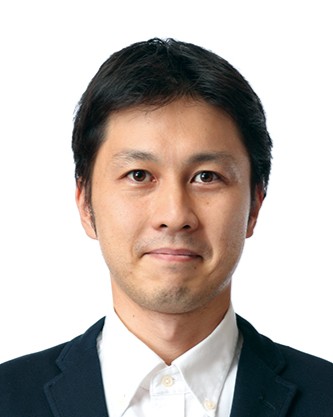
Organization
Undergraduate School School of Science and Technology Associate Professor
Title
Associate Professor
External link
Updated on 2026/06/18


Natural sciences / Atmospheric and hydrospheric science
The Graduate University for Advanced Studies
- 2010.3
Country/Region: Japan
The University of Tokyo Graduate School, Division of Science
- 2007.3
Country/Region: Japan
Meiji University Faculty of Science and Engineering
- 2005.3
Country/Region: Japan
Meiji University
2014.4
Rikkyo University College of Science Department of Physics Assistant Professor
2012.4 - 2014.3
National Institute of Polar Research
2010.4 - 2012.3
Satoshi Ishii, Yoshihiro Tomikawa, Masahiro Okuda, Hidehiko Suzuki
Earth, Planets and Space 74 ( 1 ) 2022.12
Capability of airline jets as an observation platform for noctilucent clouds at middle latitudes Reviewed
Hidehiko Suzuki, Ayako Matsumoto, Peter Dalin, Yuriko Nakamura, Satoshi Ishii, Kazuyo Sakanoi, Kaori Sakaguchi, Taku Takada, Takuo T. Tsuda, Yuta Hozumi
PROGRESS IN EARTH AND PLANETARY SCIENCE 9 ( 1 ) 2022.1
Initial inflight calibration for Hayabusa2 optical navigation camera (ONC) for science observations of asteroid Ryugu Reviewed
H. Suzuki, M. Yamada, T. Kouyama, E. Tatsumi, S. Kameda, R. Honda, H. Sawada, N. Ogawa, T. Morota, C. Honda, N. Sakatani, M. Hayakawa, Y. Yokota, Y. Yamamoto, S. Sugita
ICARUS 300 341 - 359 2018.1
First imaging and identification of a noctilucent cloud from multiple sites in Hokkaido (43.2-44.4 degrees N), Japan Reviewed
Hidehiko Suzuki, Kazuyo Sakanoi, Nozomu Nishitani, Tadahiko Ogawa, Mitsumu K. Ejiri, Minoru Kubota, Takenori Kinoshita, Yasuhiro Murayama, Yasushi Fujiyoshi
EARTH PLANETS AND SPACE 68 ( 182 ) 2016.11
Imaging-based observations of low-latitude auroras during 2001-2004 at Nayoro, Japan Reviewed
Hidehiko Suzuki, Haruka Chino, Yasuo Sano, Akira Kadokura, Mitsumu K. Ejiri, Makoto Taguchi
EARTH PLANETS AND SPACE 67 ( 107 ) 2015.7
Variation of Spectral Radiance of the Zenith Sky During the Annular Eclipse on May 21, 2012 Reviewed
Hidehiko Suzuki, Akihiro Yamamoto
Earth, Moon and Planets 110 ( 3-4 ) 157 - 163 2013.6
Inertia-gravity wave in the polar mesopause region inferred from successive images of a meteor train Reviewed
Hidehiko Suzuki, Takuji Nakamura, Sharon L. Vadas, Masaki Tsutsumi, Makoto Taguchi, Yasunori Fujiwara
Journal of Geophysical Research Atmospheres 118 ( 8 ) 3047 - 3052 2013.4
Inertia-gravity wave in the polar mesopause region inferred from successive images of a meteor train Reviewed
Hidehiko Suzuki, Takuji Nakamura, Sharon L. Vadas, Masaki Tsutsumi, Makoto Taguchi, Yasunori Fujiwara
JOURNAL OF GEOPHYSICAL RESEARCH-ATMOSPHERES 118 ( 8 ) 3047 - 3052 2013.4
Simultaneous PMC and PMSE observations with a ground-based lidar and SuperDARN HF radar at Syowa Station, Antarctica Reviewed
H. Suzuki, T. Nakamura, M. K. Ejiri, T. Ogawa, M. Tsutsumi, M. Abo, T. D. Kawahara, Y. Tomikawa, A. S. Yukimatu, N. Sato
Annales Geophysicae 31 ( 10 ) 1793 - 1803 2013
A RAYLEIGH RAMAN LIDAR SYSTEM FOR TROPOSPHERE-MESOSPHERE OBSERVATIONS AT SYOWA STATION, ANTARCTICA Reviewed
Hidehiko Suzuki, Takuji Nakamura, Mitsumu K Ejiri, Makoto Abo, Takuya D Kawahara, Yoshihiro Tomikawa, Masaki Tsutsumi
Reviewed and Revised Papers Presented at the 26th International Laser Radar Conference (ILRC 2012) ( S9P-18 ) 2012
The increase in OH rotational temperature during an active aurora event Reviewed
H. Suzuki, M. Tsutsumi, T. Nakamura, M. Taguchi
ANNALES GEOPHYSICAE 28 ( 3 ) 705 - 710 2010
Variations of OH rotational temperature over Syowa Station in the austral winter of 2008 Reviewed
Hidehiko Suzuki, Yoshihiro Tomikawa, Makoto Taguchi, Takuji Nakamura, Masaki Tsutsumi
EARTH PLANETS AND SPACE 62 ( 8 ) 655 - 661 2010
Fast spectrometer for ground-based observations of OH rotational temperature Reviewed
Hidehiko Suzuki, Makoto Taguchi, Yoshikazu Kanai, Norihide Takeyama
APPLIED OPTICS 48 ( 6 ) 1119 - 1127 2009.2
Atmospheric gravity waves identified by ground-based observations of the intensity and rotational temperature of OH airglow Reviewed
Hidehiko Suzuki, Kazuo Shiokawa, Masaki Tsutsumi, Takuji Nakamura, Makoto Taguchi
Polar Science 2 ( 1 ) 1 - 8 2008.3
Asymmetry in the morning and evening occurrence of noctilucent clouds in Japan
Akiho Endo, Yoshihiro Tomikawa, Peter Dalin, Takuo Tsuda, Yuriko Nakamura, Masahiro Omote, Nozomu Nishitani, Kazuyo Sakanoi, Kaori Sakaguchi, Satoshi Ishii, Katsushi Iwamoto, Hidehiko Suzuki
Earth, Planets and Space 2026.6
Development of an ultra-compact tethered balloon system for optical observation above lower clouds: test observation at Syowa Station, Antarctica, for observation of noctilucent clouds in the polar regions Reviewed
R. Kawakami, T. Takada, K. Kato, H. Ikigame, Y. Suzuki, A. Endo, L. Yoshida, Y. Tomikawa, T. T. Tsuda, S. Ishii, H. Suzuki
JAXA Research and Development Report JAXA-RR-24-005 47 - 61 2025.2
Comparison of optical spectra between asteroids Ryugu and Bennu: II. High-precision analysis for space weathering trends
K. Yumoto, E. Tatsumi, T. Kouyama, D. R. Golish, Y. Cho, T. Morota, S. Kameda, H. Sato, B. Rizk, D. N. DellaGiustina, Y. Yokota, H. Suzuki, J. de León, H. Campins, J. Licandro, M. Popescu, J. L. Rizos, R. Honda, M. Yamada, N. Sakatani, C. Honda, M. Matsuoka, M. Hayakawa, H. Sawada, K. Ogawa, Y. Yamamoto, D. S. Lauretta, S. Sugita
Icarus 420 2024.9
Study on the possibility of comet observation using ONC-W2 camera during the cruising phase of Hayabusa2
Yasuhiro Yokota, Toru Kouyama, Tomokatsu Morota, Naoya Sakatani, Seiji Sugita, Manabu Yamada, Eri Tatsumi, Moe Matsuoka, Masahiko Hayakawa, Koki Yumoto, Hideo Kawakita, Yoshiharu Shinnaka, Rie Honda, Chikatoshi Honda, Yuichiro Cho, Shingo Kameda, Hidehiko Suzuki, Kazuo Yoshioka, Hirotaka Sawada, Kazunori Ogawa
2024.7
Comparison of optical spectra between asteroids Ryugu and Bennu: I. Cross calibration between Hayabusa2/ONC-T and OSIRIS-REx/MapCam
K. Yumoto, E. Tatsumi, T. Kouyama, D.R. Golish, Y. Cho, T. Morota, S. Kameda, H. Sato, B. Rizk, D.N. DellaGiustina, Y. Yokota, H. Suzuki, J. de León, H. Campins, J. Licandro, M. Popescu, J.L. Rizos, R. Honda, M. Yamada, N. Sakatani, C. Honda, M. Matsuoka, M. Hayakawa, H. Sawada, K. Ogawa, Y. Yamamoto, D.S. Lauretta, S. Sugita
Icarus 417 116122 - 116122 2024.7
Space weathering acts strongly on the uppermost surface of Ryugu
Moe Matsuoka, Ei-ichi Kagawa, Kana Amano, Tomoki Nakamura, Eri Tatsumi, Takahito Osawa, Takahiro Hiroi, Ralph Milliken, Deborah Domingue, Driss Takir, Rosario Brunetto, Antonella Barucci, Kohei Kitazato, Seiji Sugita, Yuri Fujioka, Osamu Sasaki, Shiho Kobayashi, Takahiro Iwata, Tomokatsu Morota, Yasuhiro Yokota, Toru Kouyama, Rie Honda, Shingo Kameda, Yuichiro Cho, Kazuo Yoshioka, Hirotaka Sawada, Masahiko Hayakawa, Naoya Sakatani, Manabu Yamada, Hidehiko Suzuki, Chikatoshi Honda, Kazunori Ogawa, Kei Shirai, Cateline Lantz, Stefano Rubino, Hisayoshi Yurimoto, Takaaki Noguchi, Ryuji Okazaki, Hikaru Yabuta, Hiroshi Naraoka, Kanako Sakamoto, Shogo Tachibana, Toru Yada, Masahiro Nishimura, Aiko Nakato, Akiko Miyazaki, Kasumi Yogata, Masanao Abe, Tatsuaki Okada, Tomohiro Usui, Makoto Yoshikawa, Takanao Saiki, Satoshi Tanaka, Fuyuto Terui, Satoru Nakazawa, Sei-ichiro Watanabe, Yuichi Tsuda
COMMUNICATIONS EARTH & ENVIRONMENT 4 ( 1 ) 2023.9
Initial Result of Heliocentric Distance Dependence of Zodiacal Light Observed by Hayabusa2#
Kohji Tsumura, Shuji Matsuura, Kei Sano, Takahiro Iwata, Kohji Takimoto, Manabu Yamada, Tomokatsu Morota, Toru Kouyama, Masahiko Hayakawa, Yasuhiro Yokota, Eri Tatsumi, Moe Matsuoka, Naoya Sakatani, Rie Honda, Shingo Kameda, Hidehiko Suzuki, Yuichiro Cho, Kazuo Yoshioka, Kazunori Ogawa, Kei Shirai, Hirotaka Sawada, Seiji Sugita
2023.3
Inflight calibration of the optical navigation camera for the extended mission phase of Hayabusa2 Reviewed
Manabu Yamada, Toru Kouyama, Koki Yumoto, Eri Tatsumi, Naofumi Takaki, Yasuhiro Yokota, Tomokatsu Morota, Naoya Sakatani, Masahiko Hayakawa, Moe Matsuoka, Rie Honda, Chikatoshi Honda, Shingo Kameda, Hidehiko Suzuki, Yuichiro Cho, Kazuo Yoshioka, Kazunori Ogawa, Kei Shirai, Hirotaka Sawada, Seiji Sugita
EARTH PLANETS AND SPACE 75 ( 1 ) 2023.3
Development for observation system of noctilucent clouds with an ultra-small tethered-balloon: Test flight on summer season of 2021 in Hokkaido, Japan Reviewed
S. Ishii, A. Endo, T. Takada, S. Ueta, A. Bessho, K. Kato, T. T. Tsuda, Y. Hozumi, H. Suzuki
JAXA Research and Development Report JAXA-RR-22-008 1 - 24 2023
Particle size distributions inside and around the artificial crater produced by the Hayabusa2 impact experiment on Ryugu
K. Ogawa, N. Sakatani, T. Kadono, M. Arakawa, R. Honda, K. Wada, K. Shirai, Y. Shimaki, K. Ishibashi, Y. Yokota, T. Saiki, H. Imamura, Y. Tsuda, S. Nakazawa, Y. Takagi, M. Hayakawa, H. Yano, C. Okamoto, Y. Iijima, T. Morota, S. Kameda, E. Tatsumi, Y. Cho, K. Yoshioka, H. Sawada, M. Matsuoka, M. Yamada, T. Kouyama, H. Suzuki, C. Honda, S. Sugita
Earth, Planets and Space 74 ( 1 ) 2022.12
Three-axial shape distributions of pebbles, cobbles and boulders smaller than a few meters on asteroid Ryugu Reviewed
Tatsuhiro Michikami, Axel Hagermann, Tomokatsu Morota, Yasuhiro Yokota, Seitaro Urakawa, Hiroyuki Okamura, Naoya Tanabe, Koki Yumoto, Tatsuki Ebihara, Yuichiro Cho, Carolyn M. Ernst, Masahiko Hayakawa, Masatoshi Hirabayashi, Naru Hirata, Chikatoshi Honda, Rie Honda, Shingo Kameda, Masanori Kanamaru, Hiroshi Kikuchi, Shota Kikuchi, Toru Kouyama, Moe Matsuoka, Hideaki Miyamoto, Takaaki Noguchi, Rina Noguchi, Kazunori Ogawa, Tatsuaki Okada, Naoya Sakatani, Sho Sasaki, Hirotaka Sawada, Chiho Sugimoto, Hidehiko Suzuki, Satoshi Tanaka, Eri Tatsumi, Akira Tsuchiyama, Yuichi Tsuda, Sei ichiro Watanabe, Manabu Yamada, Makoto Yoshikawa, Kazuo Yoshioka, Seiji Sugita
Icarus 381 2022.7
Stray light analysis by ray tracing simulation for the wide-angle multiband camera OROCHI onboard the Martian Moons eXploration (MMX) spacecraft
Ryota Fuse, Keigo Enya, Shingo Kameda, Hiroki Kato, Naoya Osada, Ko Ishibashi, Masanobu Ozaki, Naoya Sakatani, Toru Kouyama, Hidehiko Suzuki, Tomoki Nakamura, Hideaki Miyamoto, Shinsuke Abe, Yuya Goda, Hajime Murao
ADVANCES IN SPACE RESEARCH 69 ( 2 ) 1236 - 1248 2022.1
Shingo Kameda, Masanobu Ozaki, Keigo Enya, Ryota Fuse, Toru Kouyama, Naoya Sakatani, Hidehiko Suzuki, Naoya Osada, Hiroki Kato, Hideaki Miyamoto, Atsushi Yamazaki, Tomoki Nakamura, Takaya Okamoto, Takahiro Ishimaru, Peng Hong, Ko Ishibashi, Takeshi Takashima, Ryoya Ishigami, Cheng-Ling Kuo, Shinsuke Abe, Yuya Goda, Hajime Murao, Saori Fujishima, Tsubasa Aoyama, Keiji Hagiwara, Satoko Mizumoto, Noriko Tanaka, Kousuke Murakami, Miho Matsumoto, Kenji Tanaka, Hironobu Sakuta
Earth, Planets and Space 73 ( 1 ) 2021.12
Alignment determination of the Hayabusa2 laser altimeter (LIDAR) Reviewed
Hirotomo Noda, Hiroki Senshu, Koji Matsumoto, Noriyuki Namiki, Takahide Mizuno, Seiji Sugita, Shinsuke Abe, Hiroshi Araki, Kazuyoshi Asari, Yuichiro Cho, Atsushi Fujii, Masahiko Hayakawa, Arika Higuchi, Naoyuki Hirata, Naru Hirata, Chikatoshi Honda, Rie Honda, Yoshiaki Ishihara, Shingo Kameda, Shota Kikuchi, Toru Kouyama, Moe Matsuoka, Yuya Mimasu, Tomokatsu Morota, Satoru Nakazawa, Kazunori Ogawa, Naoko Ogawa, Go Ono, Shoko Oshigami, Takanao Saiki, Naoya Sakatani, Sho Sasaki, Hirotaka Sawada, Makoto Shizugami, Hidehiko Suzuki, Tadateru Takahashi, Yuto Takei, Satoshi Tanaka, Eri Tatsumi, Fuyuto Terui, Yuichi Tsuda, Seiitsu Tsuruta, Sei-ichiro Watanabe, Manabu Yamada, Ryuhei Yamada, Tomohiro Yamaguchi, Keiko Yamamoto, Yasuhiro Yokota, Fumi Yoshida, Kent Yoshikawa, Makoto Yoshikawa, Kazuo Yoshioka
Earth, Planets and Space 73 ( 1 ) 2021.12
Post-arrival calibration of Hayabusa2's optical navigation cameras (ONCs): Severe effects from touchdown events
Toru Kouyama, Eri Tatsumi, Yasuhiro Yokota, Koki Yumoto, Manabu Yamada, Rie Honda, Shingo Kameda, Hidehiko Suzuki, Naoya Sakatani, Masahiko Hayakawa, Tomokatsu Morota, Moe Matsuoka, Yuichiro Cho, Chikatoshi Honda, Hirotaka Sawada, Kazuo Yoshioka, Seiji Sugita
Icarus 360 2021.5
Updated inflight calibration of Hayabusa2's optical navigation camera (ONC) for scientific observations during the cruise phase Reviewed
Eri Tatsumi, Toru Kouyama, Hidehiko Suzuki, Manabu Yamada, Naoya Sakatani, Shingo Kameda, Yasuhiro Yokota, Rie Honda, Tomokatsu Morota, Keiichi Moroi, Naoya Tanabe, Hiroaki Kamiyoshihara, Marika Ishida, Kazuo Yoshioka, Hiroyuki Sato, Chikatoshi Honda, Masahiko Hayakawa, Kohei Kitazato, Hirotaka Sawada, Seiji Sugita
Icarus 325 153 - 195 2019.6
The geomorphology, color, and thermal properties of Ryugu: Implications for parent-body processes Reviewed
S. Sugita, R. Honda, T. Morota, S. Kameda, H. Sawada, E. Tatsumi, M. Yamada, C. Honda, Y. Yokota, T. Kouyama, N. Sakatani, K. Ogawa, H. Suzuki, T. Okada, N. Namiki, S. Tanaka, Y. Iijima, K. Yoshioka, M. Hayakawa, Y. Cho, M. Matsuoka, N. Hirata, N. Hirata, H. Miyamoto, D. Domingue, M. Hirabayashi, T. Nakamura, T. Hiroi, T. Michikami, P. Michel, R.-L. Ballouz, O. S. Barnouin, C. M. Ernst, S. E. Schröder, H. Kikuchi, R. Hemmi, G. Komatsu, T. Fukuhara, M. Taguchi, T. Arai, H. Senshu, H. Demura, Y. Ogawa, Y. Shimaki, T. Sekiguchi, T. G. Müller, A. Hagermann, T. Mizuno, H. Noda, K. Matsumoto, R. Yamada, Y. Ishihara, H. Ikeda, H. Araki, K. Yamamoto, S. Abe, F. Yoshida, A. Higuchi, S. Sasaki, S. Oshigami, S. Tsuruta, K. Asari, S. Tazawa, M. Shizugami, J. Kimura, T. Otsubo, H. Yabuta, S. Hasegawa, M. Ishiguro, S. Tachibana, E. Palmer, R. Gaskell, L. Le Corre, R. Jaumann, K. Otto, N. Schmitz, P. A. Abell, M. A. Barucci, M. E. Zolensky, F. Vilas, F. Thuillet, C. Sugimoto, N. Takaki, Y. Suzuki, H. Kamiyoshihara, M. Okada, K. Nagata, M. Fujimoto, M. Yoshikawa, Y. Yamamoto, K. Shirai, R. Noguchi, N. Ogawa, F. Terui, S. Kikuchi, T. Yamaguchi, Y. Oki, Y. Takao, H. Takeuchi, G. Ono, Y. Mimasu, K. Yoshikawa, T. Takahashi, Y. Takei, A. Fujii, C. Hirose, S. Nakazawa, S. Hosoda, O. Mori, T. Shimada, S. Soldini, T. Iwata, M. Abe, H. Yano, R. Tsukizaki, M. Ozaki, K. Nishiyama, T. Saiki, S. Watanabe, Y. Tsuda
Science 2019.3
Updated flat-fields of ONC-T\/Hayabusa2 based on close encounter with Ryugu
E. Tatsumi, S. Kameda, K. Moroi, M. Ishida, T. Kouyama, R. Honda, T. Morota, M. Yamada, Y. Yokota, N. Sakatani, H. Suzuki, C. Honda, K. Yoshioka, Y. Cho, M. Matsuoka, M. Hayakawa, K. Ogawa, H. Sawada, S. Sugita
Proceedings of Lunar and Planetary Science Conference 50 1745 2019.3
Pre-arrival scientific calibration of the Hayabusa2 multi-band visible camera
S. Sugita, E. Tatsumi, T. Kouyama, S. Kameda, Y. Yokota, N. Sakatani, H. Suzuki, M. Yamada, H. Sawada, R. Honda, C. Honda, T. Morota, K. Ogawa, M. Hayakawa, K. Yoshioka, N. Tanabe, H. Kamiyoshihara, N. Ogawa, Y. Iijima, ONC Team
Proceedings of Lunar and Planetary Science Conference 49 2145 2018.3
Initial report on polar mesospheric cloud observations by Himawari-8 Reviewed
Takuo T. Tsuda, Yuta Hozumi, Kento Kawaura, Keisuke Hosokawa, Hidehiko Suzuki, Takuji Nakamura
Atmos. Meas. Tech. 11 6163 - 6168 2018
Rayleigh/Raman lidar observations of gravity wave activity from 15 to 70km altitude over Syowa (69 degrees S, 40 degrees E), the Antarctic Reviewed
Masaru Kogure, Takuji Nakamura, Mitsumu K. Ejiri, Takanori Nishiyama, Yoshihiro Tomikawa, Masaki Tsutsumi, Hidehiko Suzuki, Takuo T. Tsuda, Takuya D. Kawahara, Makoto Abo
JOURNAL OF GEOPHYSICAL RESEARCH-ATMOSPHERES 122 ( 15 ) 7869 - 7880 2017.8
Preflight Calibration Test Results for Optical Navigation Camera Telescope (ONC-T) Onboard the Hayabusa2 Spacecraft Reviewed
S. Kameda, H. Suzuki, T. Takamatsu, Y. Cho, T. Yasuda, M. Yamada, H. Sawada, R. Honda, T. Morota, C. Honda, M. Sato, Y. Okumura, K. Shibasaki, S. Ikezawa, S. Sugita
SPACE SCIENCE REVIEWS 208 ( 1-4 ) 17 - 31 2017.7
Investigation of Hayabusa-2/ONC sensitivity variation based on observed Moon images
T. Kouyama, Y. Yokota, Y. Ishihara, R. Nakamura, S. Yamamoto, T. Matsunaga, M. Yamada, S. Kameda, H. Sawada, H. Suzuki, R. Honda, T. Morota, C. Honda, K. Ogawa, E. Tatsumi, N. Sakatani, M. Hayakawa, S. Sugita
Proceedings of Lunar and Planetary Science Conference 48 1289 2017.3
Inflight spectroscopic calibration of Hayabusa2 Optical Navigation Cameras (ONC) using Earth, Moon, and Mars
S. Sugita, H. Suzuki, E. Tatsumi, M. Yamada, H. Sawada, S. Kameda, T. Kouyama, R. Honda, T. Morota, C. Honda, K. Ogawa, K. Shirai, M. Hayakawa, N. Ogawa, Y. Iijima, ONC Team
Proceedings of Lunar and Planetary Science Conference 48 1988 2017.3
Historical space weather monitoring of prolonged aurora activities in Japan and in China Reviewed
Ryuho Kataoka, Hiroaki Isobe, Hisashi Hayakawa, Harufumi Tamazawa, Akito Davis Kawamura, Hiroko Miyahara, Kiyomi Iwahashi, Kazuaki Yamamoto, Masako Takei, Tsuneyo Terashima, Hidehiko Suzuki, Yasunori Fujiwara, Takuji Nakamura
SPACE WEATHER-THE INTERNATIONAL JOURNAL OF RESEARCH AND APPLICATIONS 15 ( 2 ) 392 - 402 2017.2
Rayleigh/Raman lidar observations of gravity wave activity from 15 to 70 km altitude over Syowa (69°S, 40°E), the Antarctic Reviewed
Masaru Kogure, Takuji Nakamura, Mitsumu K. Ejiri, Takanori Nishiyama, Yoshihiro Tomikawa, Masaki Tsutsumi, Hidehiko Suzuki, Takuo T. Tsuda, Takuya D. Kawahara, Makoto Abo
Journal of Geophysical Research 122 ( 15 ) 7869 - 7880 2017
Earth-Moon Imaging with HAYABUSA2 Optical Navigation Camera (ONC) During the Earth Swing-by
S. Sugita, M. Yamada, H. Sawada, S. Kameda, T. Kouyama, H. Suzuki, R. Honda, T. Morota, C. Honda, K. Ogawa, K. Shirai, E. Tatsumi, N. Ogawa, Y. Iijima, ONC Team
Proceedings of Lunar and Planetary Science Conference 47 2826 2016.3
Lunar Calibration for Planetary Explorers using SELENE/SP Lunar Reflectance Model
T. Kouyama, Y. Yokota, Y. Ishihara, R. Nakamura, S. Yamamoto, T. Matsunaga, M. Yamada, S. Kameda, H. Sawada, H. Suzuki, R. Honda, T. Morota, C. Honda, K. Ogawa, S. Sugita
Proceedings of Lunar and Planetary Science Conference 47 1723 2016.3
Detectability of hydrous minerals using ONC-T camera onboard the Hayabusa2 spacecraft Reviewed
S. Kameda, H. Suzuki, Y. Cho, S. Koga, M. Yamada, T. Nakamura, T. Hiroi, H. Sawada, R. Honda, T. Morota, C. Honda, A. Takei, T. Takamatsu, Y. Okumura, M. Sato, T. Yasuda, K. Shibasaki, S. Ikezawa, S. Sugita
ADVANCES IN SPACE RESEARCH 56 ( 7 ) 1519 - 1524 2015.10
Calibration and first light of optical navigation camera (ONC) of Hayabusa 2
S. Sugita, S. Kameda, H. Sawada, H. Suzuki, M. Yamada, R. Honda, T. Morota, C. Honda, K. Ogawa, K. Shirai, Y. Iijima, Y. Cho, A. Takei, M. Sato, Y. Okumura, T. Yasuda, K. Shibasaki, S. Ikezawa, T. Nakamura, T. Hiroi, S. Kamata, S. C. Koga, ONC Team
Proceedings of Lunar and Planetary Science Conference 46 2169 2015.3
Morota T., Sugita S., Sawada H., Honda R., Kameda S., Yamada M., Honda C., Suzuki H., Ando K., ONC Team
Planetary People - The Japanese Society for Planetary Sciences 24 ( 1 ) 48 - 53 2015
Atmospheric gravity waves excited by a fireball meteor: Observations and modeling Reviewed
Sharon L. Vadas, Hidehiko Suzuki, Michael J. Nicolls, Takuji Nakamura, Robert O. Harmon
Journal of Geophysical Research 119 ( 14 ) 8583 - 8605 2014.7
Atmospheric gravity waves excited by a fireball meteor: Observations and modeling Reviewed
Sharon L. Vadas, Hidehiko Suzuki, Michael J. Nicolls, Takuji Nakamura, Robert O. Harmon
JOURNAL OF GEOPHYSICAL RESEARCH-ATMOSPHERES 119 ( 14 ) 8583 - 8605 2014.7
705 南極レイリーラマンライダー用エタロンシステムの開発 : 気圧による光学的距離の調整(計測・制御I,学術講演)
山本 晃寛, 川原 琢也, 鈴木 秀彦, 阿保 真, 江尻 省, 中村 卓司
山梨講演会講演論文集 2013 192-193 - 193 2013.10
南極観測における分光学の活用 Reviewed
山本達之, 鈴木秀彦
分光研究 62 74 - 84 2013
はやぶさ2搭載の Optical Navigation Camera (ONC) による科学観測
杉田 精司, 本田 理恵, 亀田 真吾, 諸田 智克, 澤田 弘崇, 本田 親寿, 鈴木 秀彦, 小川 和律, 飯島 祐一, 白井 慶, 中村 良介, 山田 学, ONC サイエンスチーム
宇宙科学技術連合講演会講演集 56 2012
Fluctuation of intensity and rotational temperature of OH airglow caused by acoustic gravity waves Reviewed
Suzuki, H, K. Shiokawa, M. Tsutsumi, T. Nakamura, M. Taguchi
Polar Sci. 2 1 - 8 2008.1
低温環境の科学事典
河村公隆, 編, 鈴木秀彦( Role: Joint author「第1章 超高層・中層大気」内「極中間圏雲」を執筆担当)
朝倉書店 2016
中層大気中の物質輸送 - 中間圏循環・波動による高緯度物質輸送の観測事例 -
津田卓雄, 鈴木秀彦, 村山泰啓, 坂野井和代
MTI ハンドブック 1 - 8 2023.3
Relationship between the time scale of OH airglow enhancements detected at the Syowa Station and the variations of the background atmosphere.
石井智士, 鈴木秀彦, 堤雅基, 堤雅基, 田口真, 江尻省, 江尻省, 西山尚典, 西山尚典, 門倉昭, 門倉昭, 門倉昭
日本地球惑星科学連合大会予稿集(Web) 2022 2022
Dynamics of the polar mesopause region inferred by the long-term OH airglow observation at Syowa Station, Antarctic
石井智士, 鈴木秀彦, 田中良昌, 堤雅基, 堤雅基, 田口真, 江尻省, 江尻省, 西山尚典, 西山尚典, 門倉昭
地球電磁気・地球惑星圏学会総会及び講演会(Web) 152nd 2022
Relationship between energetic particle precipitations and an intensity of OH airglow over Syowa Station.
石井智士, 鈴木秀彦, 堤雅基, 堤雅基, 田口真, 江尻省, 江尻省, 西山尚典, 西山尚典
日本地球惑星科学連合大会予稿集(Web) 2021 2021
月、地球、火星、恒星を用いた はやぶさ 2 可視分光カメラの機上校正観測
Suzuki Hidehiko, Yamada Manabu, Kouyama Toru, Tatsumi Eri, Kameda Shingo, Honda Rie, Sawada Hirotaka, Ogawa Naoko, Morota Tomokatsu, Honda Chikatoshi, Sakatani Naoya, Hayakawa Masahiko, Yokota Yasuhiro, Yamamoto Yukio, Sugita Seiji
第50回月・惑星シンポジウム = Proceedings of the 50th ISAS Lunar and Planetary Symposium 2017.8
60 5p 2016.9
SuperDARN北海道‐陸別第一・第二HFレーダーによる低緯度オーロラ発生時における電離圏対流の観測
西谷望, 堀智昭, 片岡龍峰, 海老原祐輔, 塩川和夫, 大塚雄一, 鈴木秀彦, 吉川顕正
地球電磁気・地球惑星圏学会総会及び講演会(Web) 140th ROMBUNNO.R006‐13 (WEB ONLY) 2016
2011-2015年における昭和基地レイリー/ラマンライダーを用いた大気温度観測の現状報告
西山尚典, 中村卓司, 江尻省, 阿保真, 川原琢也, 津田卓雄, 鈴木秀彦
地球電磁気・地球惑星圏学会総会及び講演会予稿集(CD-ROM) 138th 2015
2011-2015年の昭和基地レイリー/ラマンライダーを用いた大気温度鉛直構造の観測
西山尚典, 中村卓司, 江尻省, 阿保真, 津田卓雄, 鈴木秀彦, 川原琢也
極域科学シンポジウム講演予稿集(CD-ROM) 6th 2015
北海道に展開する多点カメラネットワークによって捉えた日本初の夜光雲イベント
鈴木秀彦, 坂野井和代, 西谷望, 小川忠彦, 江尻省, 久保田実, 坂口歌織, 村山泰啓, 藤吉康志
地球電磁気・地球惑星圏学会総会及び講演会予稿集(CD-ROM) 138th 2015
B152 南極大気精密観測に基づく地球気候変動機構に関する研究 : 第IX期南極地域観測事業重点研究観測計画(中層大気研究の最前線,専門分科会)
佐藤 薫, 堤 雅基, 佐藤 亨, 中村 卓司, 齊藤 昭則, 冨川 喜弘, 西村 耕司, 高麗 正史, 西山 尚典, 江尻 省, 阿保 真, 川原 琢也, 水野 亮, 長浜 智生, 鈴木 秀彦
大会講演予講集 107 145 - 145 2015
P1-32 1999 JU3の衝突確率とクレーター年代学関数の構築(ポスターセッション1,ポスター発表)
安藤 滉祐, 諸田 智克, 杉田 精司, 本田 理恵, 亀田 真吾, 山田 学, 本田 親寿, 鈴木 秀彦, 渡邊 誠一郎
2014 "P1 - 32" 2014.9
狭帯域化レイリー/ラマンライダーによる南極昭和基地上空の極中間圏雲モニタリング
鈴木秀彦, 中村卓司, 堤雅基, 江尻省, 冨川喜弘, 阿保真, 川原琢也, 津田卓雄, 西山尚典
極域科学シンポジウム講演予稿集(CD-ROM) 5th 2014
昭和基地レイリーラマンライダーとAIM衛星によって捉えられたPMCの2日周期変動
鈴木秀彦, 中村卓司, 堤雅基, 江尻省, 冨川喜弘, 阿保真, 津田卓雄, 西山尚典, 川原琢也
地球電磁気・地球惑星圏学会総会及び講演会予稿集(CD-ROM) 136th 2014
南極昭和基地レイリー/ラマンライダーの送信ビーム位置監視システム
津田卓雄, 中村卓司, 阿保真, 江尻省, 西山尚典, 鈴木秀彦, 冨川喜弘, 堤雅基, 川原琢也
地球電磁気・地球惑星圏学会総会及び講演会予稿集(CD-ROM) 136th 2014
昭和基地レイリー/ラマンライダーによる対流圏上部‐中間圏の温度連続プロファイル:Quick Lookプロット公開への進捗状況
西山尚典, 中村卓司, 江尻省, 津田卓雄, 阿保真, 鈴木秀彦, 川原琢也, 堤雅基, 冨川喜弘, 木暮優
極域科学シンポジウム講演予稿集(CD-ROM) 5th ROMBUNNO.IMP05 2014
O9-09 はやぶさ2の試料採取地点の決定に向けた隕石反射分光実験(口頭発表セッション9(はやぶさ),口頭発表)
武井 亮斗, 佐藤 允基, 古賀 すみれ, 長 勇一郎, 鈴木 秀彦, 亀田 真吾, 杉田 精司
日本惑星科学会秋期講演会予稿集 2013 "O9 - 09" 2013.11
P3-12 月・水星・小惑星のナトリウム大気(ポスターセッション3,ポスター発表)
亀田 真吾, 布施川 綾花, 鈴木 秀彦, 鍵谷 将人, 杉田 精司
日本惑星科学会秋期講演会予稿集 2013 "P3 - 12" 2013.11
昭和基地レイリーラマンライダー用気圧掃引型狭帯域エタロンユニットの開発
鈴木秀彦, 山本晃寛, 川原琢也, 阿保真, 江尻省, 中村卓司
極域科学シンポジウム講演予稿集(CD-ROM) 4th 2013
南極昭和基地での流星の自動ビデオ観測
藤原康徳, 中村卓司, 江尻省, 鈴木秀彦
日本天文学会年会講演予稿集 2013 2013
ライダー送信および受信系の偏光面同時制御による背景光抑制効果の実証
鈴木秀彦, 山本晃寛, 阿保真
地球電磁気・地球惑星圏学会総会及び講演会予稿集(CD-ROM) 134th 2013
南極レイリーラマンライダー昼間観測用エタロンシステムの開発:気圧による光学的距離の調整
山本晃寛, 鈴木秀彦, 川原琢也, 阿保真, 江尻省, 中村卓司
地球電磁気・地球惑星圏学会総会及び講演会予稿集(CD-ROM) 134th 2013
南極観測における分光学の活用 Invited Reviewed
山本達之, 鈴木秀彦
分光研究 62 ( 2 ) 74 - 84 2013
O3-03 Science observations with Optical Navigation Camera (ONG) onboard Hayabusa2
Abstracts Fall Meeting of the Japanese Society for Planetary Sciences 2012 29 - 29 2012.10
極中間圏雲観測に特化した南極昭和基地レイリーライダー用受信系の開発
山本晃寛, 鈴木秀彦, 阿保真, 中村卓司, 江尻省, 川原琢也
地球電磁気・地球惑星圏学会総会及び講演会予稿集(CD-ROM) 132nd 2012
南極昭和基地における中層・超高層大気の観測-第VIII期重点研究観測の進捗-
中村卓司, 佐藤薫, 堤雅基, 阿保真, 江尻省, 冨川喜弘, 鈴木秀彦, 川原琢也, 山内恭, 水野亮, 礒野靖子
地球電磁気・地球惑星圏学会総会及び講演会予稿集(CD-ROM) 132nd 2012
南極昭和基地でのUFOCaptureを用いた流星の自動ビデオ観測
藤原康徳, 中村卓司, 江尻省, 鈴木秀彦
日本天文学会年会講演予稿集 2012 2012
極域中層・超高層大気結合観測のための多波長共鳴散乱ライダーの開発
阿保真, 三浦夏美, 中村卓司, 堤雅基, 江尻省, 鈴木秀彦, 川原琢也
極域科学・宙空圏・気水圏・生物・地学シンポジウム講演予稿集(CD-ROM) 2011 2011
レイリーライダー温度観測で得られた昭和基地上空の重力波活動
江尻省, 中村卓司, 鈴木秀彦, 阿保真, 堤雅基
極域科学・宙空圏・気水圏・生物・地学シンポジウム講演予稿集(CD-ROM) 2011 2011
昭和基地レイリーライダーによる極中間圏雲の観測
鈴木秀彦, 中村卓司, 阿保真, 江尻省, 冨川喜弘, 堤雅基, 川原琢也
極域科学・宙空圏・気水圏・生物・地学シンポジウム講演予稿集(CD-ROM) 2011 2011
P37 Remote sensing of the water amount of volcanic fumarole gas using lidar technique
Ejiri Mitsumu K, Nakamura Takuji, Suzuki Hidehiko, Abo Makoto, Hashimoto Takeshi, Terada Akihiko
PROGRAMME AND ABSTRACTS THE VOLCANOLOGICAL SOCIETY OF JAPAN 2011 ( 0 ) 149 - 149 2011
昭和基地レイリーライダー温度観測で得られた上部成層圏-下部中間圏の重力波活動
江尻省, 中村卓司, 鈴木秀彦, 阿保真, 堤雅基
地球電磁気・地球惑星圏学会総会及び講演会予稿集(CD-ROM) 130th 2011
南極昭和基地でのUFOCaptureを用いた流星の自動ビデオ観測
藤原康徳, 中村卓司, 江尻省, 鈴木秀彦
極域科学・宙空圏・気水圏・生物・地学シンポジウム講演予稿集(CD-ROM) 2011 2011
可搬型共鳴散乱ライダーによる中間圏カルシウムイオンの観測(2)
阿保真, 中村卓司, 江尻省, 鈴木秀彦, 三浦夏美, 山本衛
地球電磁気・地球惑星圏学会総会及び講演会予稿集(CD-ROM) 130th 2011
レイリーライダーの昼間観測用狭帯域フィルターに使用するエタロン実験
堀場ふゆ姫, 山本晃寛, 鈴木秀彦, 川原琢也, 阿保真, 江尻省, 中村卓司
地球電磁気・地球惑星圏学会総会及び講演会予稿集(CD-ROM) 130th 2011
南極昭和基地ライダーによる極中間圏雲の観測と共鳴散乱ライダーの開発
阿保真, 中村卓司, 鈴木秀彦, 江尻省, 冨川喜弘, 堤雅基, 三浦夏美, 川原琢也
リモートセンシングシンポジウム講演論文集 37th 2011
昭和基地レイリーライダーによる極中間圏雲の観測
鈴木秀彦, 中村卓司, 阿保真, 江尻省, 冨川喜弘, 堤雅基, 川原琢也
地球電磁気・地球惑星圏学会総会及び講演会予稿集(CD-ROM) 130th 2011
中間圏界面金属原子の共鳴散乱を利用したレーザ光通信
原貴洋, 阿保真, 中村卓司, 江尻省, 鈴木秀彦
地球電磁気・地球惑星圏学会総会及び講演会予稿集(CD-ROM) 130th 2011
南極地域観測第VIII期重点研究観測における中層・超高層大気観測の進捗状況
中村卓司, 堤雅基, 佐藤薫, 阿保真, 江尻省, 冨川喜弘, 鈴木秀彦, 川原琢也, 山内恭, 水野亮
地球電磁気・地球惑星圏学会総会及び講演会予稿集(CD-ROM) 130th 2011
Variations of OH rotational temperature over Syowa Station in the austral winter of 2008
SUZUKI Hidehiko, TOMIKAWA Yoshihiro, TAGUCHI Makoto, NAKAMURA Takuji, TSUTSUMI Masaki
EPS 62 ( 8 ) 655 - 661 2010.8
南極昭和基地におけるレイリーライダー観測-システム開発と試験観測結果
鈴木秀彦, 中村卓司, 阿保真, 江尻省, 冨川喜弘, 堤雅基
地球電磁気・地球惑星圏学会総会及び講演会予稿集(CD-ROM) 128th 2010
南極地域観測第VII期重点研究観測で開発されたレイリーライダーの現況~極域中層・超高層大気観測に向けて~
江尻省, 中村卓司, 鈴木秀彦, 阿保真, 堤雅基, 冨川喜弘, 坂野井和代, 川原琢也, 佐藤薫
極域科学・宙空圏・気水圏・生物・地学シンポジウム講演予稿集(CD-ROM) 2010 2010
南極設置用多波長共鳴散乱ライダーの開発
阿保真, 中村卓司, 堤雅基, 江尻省, 鈴木秀彦, 川原琢也, 坂野井和代
地球電磁気・地球惑星圏学会総会及び講演会予稿集(CD-ROM) 128th 2010
オーロラ直下のオーロラ研究 Invited
鈴木秀彦
極地 80 23 - 26 2009
大林奨励賞
2019.10 地球電磁気・地球惑星圏学会
多要素センシングによる観天望気の再構築と災害予兆予測
Grant number:26K01188 2026.4 - 2029.3
日本学術振興会 科学研究費助成事業 基盤研究(B)
鈴木 秀彦
Grant amount:\17550000 ( Direct Cost: \13500000 、 Indirect Cost:\4050000 )
船上係留気球による南半球データ空白域での夜光雲観測ー夜光雲全球動態の解明
Grant number:23K22560 2022.4 - 2026.3
日本学術振興会 科学研究費助成事業 基盤研究(B)
鈴木 秀彦, 加藤 恵輔, 石井 智士, 冨川 喜弘, 高田 拓, 津田 卓雄, 穂積 裕太
Grant amount:\13000000 ( Direct Cost: \10000000 、 Indirect Cost:\3000000 )
2年目は初年度の国内試験観測の結果を受け、南極域での係留気球観測を実現させるためのシステム改良・開発を実施した。開発項目は搭載カメラの姿勢安定用の軽量スタビライザーの改良(3つ羽式から4面体型に変更)、LoRa通信による安定かつ高精度な位置、気象要素データ送受信モジュールの開発、係留索に負荷をかけない索の巻き上げ機構および機器結束方法の検討、低温環境対策である。2023年7月から10月にかけて、これらの試験および開発を完了させ、南極昭和基地での試験飛揚を実施するための機体を完成させた。係留気球システムは第65次南極観測隊の観測項目として実施されたスーパープレッシャー気球観測を打ち上げる前の測風ゾンデとしての試験投入を認められ、南極昭和基地において2023年12月から2024年2月初旬にかけて、計6回の往復飛揚試験を実施することに成功した。中でも2024年の1月21日および22日においては、高度2km付近までの往復飛揚を達成し、低温下でのシステム健全性、GPS位置追跡による風速導出可能性、カメラの姿勢安定性および寒冷下でのバッテリーの持続性能が確認された。本研究計画の核となる、船上での係留気球観測実現に向けて、南極地域での試験観測が成功したため、実施場所を船上に移しても同様の観測を行うことが十分可能であるという確証が得られたことは重要である。課題としては、最高飛揚高度をさらに1㎞程度延伸させることで雲上に出られる可能性が上昇することが見込まれるため、装置の軽量化を目指すことが挙げられる。
船上係留気球による南半球データ空白域での夜光雲観測ー夜光雲全球動態の解明
Grant number:22H01289 2022.4 - 2026.3
日本学術振興会 科学研究費助成事業 基盤研究(B)
鈴木 秀彦, 加藤 恵輔, 冨川 喜弘, 穂積 裕太, 高田 拓, 津田 卓雄
Grant amount:\13000000 ( Direct Cost: \10000000 、 Indirect Cost:\3000000 )
静止軌道衛星ひまわりを活用した夜光雲の特性量推定と地上光学連携観測による検証
Grant number:23K20873 2021.4 - 2025.3
日本学術振興会 科学研究費助成事業 基盤研究(B)
津田 卓雄, 安藤 芳晃, 鈴木 秀彦, 西山 尚典, 野澤 悟徳, 斎藤 徳人, 川原 琢也, 細川 敬祐, 穂積 裕太
Grant amount:\17290000 ( Direct Cost: \13300000 、 Indirect Cost:\3990000 )
本課題で開発したひまわり 8 号の全球輝度画像データから夜光雲を自動検出する手法をひまわり 9 号の全球輝度画像データに適用した. 8 号と 9 号の夜光雲の検出結果について相互比較を行い, 夜光雲観測における 9 号の性能を評価した. 評価の結果, 9 号による夜光雲観測について大きな問題はなく, 8 号と同等性能の夜光雲観測が可能であることを確認した. これを踏まえ, 9 号による夜光雲の自動観測を開始, 8 号と同様に準リアルタイムで夜光雲検出データを作成し, ウェブページ (http://ttt01.cei.uec.ac.jp/himawari/) で研究者向けのデータを公開している. データアーカイブとしては, 8 号と 9 号の観測データをあわせて, 現在迄に約 8 年分の夜光雲データベースが得られている. 市民サイエンスへの貢献を意識した X (旧 twitter) で夜光雲の観測情報を発信するシステムについても 9 号での運用を開始している. 並行して, 夜光雲解析の高精度化の為に, 大気のレイリー散乱光の LT 変化特性と散乱断面積の散乱角依存性の関係についての調査にも着手している.
静止軌道衛星ひまわりを活用した夜光雲の特性量推定と地上光学連携観測による検証
Grant number:21H01144 2021.4 - 2025.3
日本学術振興会 科学研究費助成事業 基盤研究(B) 基盤研究(B)
津田 卓雄, 安藤 芳晃, 穂積 裕太, 鈴木 秀彦, 西山 尚典, 野澤 悟徳, 斎藤 徳人, 川原 琢也, 細川 敬祐
Grant amount:\17290000 ( Direct Cost: \13300000 、 Indirect Cost:\3990000 )
ひまわり 8 号による全球輝度画像データから夜光雲を自動検出する手法の開発を進めた. 輝度値の小さい (暗い) 夜光雲も検出する為に, 背景光成分に含まれる大気分子のレイリー散乱光成分を再現・除去した後に閾値判定で夜光雲/極中間圏雲による散乱光を抽出する方法を考案し, 検出感度を向上させた. 本手法で自動検出した夜光雲データの検証として, 夜光雲観測で実績のある NASA の低軌道人工衛星 Aeronomy of Ice in the Mesosphere (AIM) の夜光雲観測データと比較した結果, 非常に良い一致が見られ, 本手法の十分な有効性が示された. 以上の研究成果について論文として纏め, 学術雑誌にて発表した [Tsuda et al., ESS, 2022]. 並行して, ひまわり 8 号で観測される夜光雲構造の時空間変動を解析し, 夜光雲の構造追跡を行うことで, 背景大気の風速 (追跡風速) を推定する手法の開発も進めた. 推定手法の検証として, 推定した追跡風速の平均成分が中間圏界面付近 (夜光雲発生領域) の基本的な平均風速と概ね一致することを確認し, 本手法の妥当性が示された. 追跡風速の変動成分 (大気波動成分) については, 1 日 (24 時間) 周期成分, 半日 (12 時間) 周期成分に加え, 14.8 時間周期成分が観測された. このような夜光雲の地方時変動特性の観測は, ひまわり 8 号の静止軌道を活かした独自の観測であり, 夜光雲観測に新しい視点を提供する意義があると考える. 以上の研究成果について論文として纏め, 学術雑誌にて発表した [Hozumi et al., JGR, 2021].
Observation of the Noctilucent clouds by using satellites, airline jets, a small balloon, and ground optics.
Grant number:19H01956 2019.4 - 2022.3
Japan Society for the Promotion of Science Grants-in-Aid for Scientific Research Grant-in-Aid for Scientific Research (B)
Suzuki Hidehiko
Grant amount:\14300000 ( Direct Cost: \11000000 、 Indirect Cost:\3300000 )
Noctilucent clouds (NLCs) are the highest clouds on the Earth and appear in a mesopause region during the summer season in both sub-polar regions. An enhancement of global warming due to greenhouse gasses can extend the NLC region towards lower latitudes than current typical latitudes (50-60 degrees in latitude). Due to this reason, it is important to know the precise occurrence of NLC in the mid-latitudes region to monitor the progress of global warming. We have conducted NLCs observation by using airline jets and by small tethered balloons in Hokkaido followed by current ground-based imagers. We have verified that both methods can be a powerful tool for monitoring the NLCs in the middle latitude regions.
極中間圏雲の24時間連続精密モニタリングが可能なライダーシステムの開発
2013.4 - 2016.3
日本学術振興会 若手研究(B)
鈴木秀彦
Authorship:Principal investigator Grant type:Competitive
Grant number:25800276 2013.4 - 2015.3
Japan Society for the Promotion of Science Grants-in-Aid for Scientific Research Grant-in-Aid for Young Scientists (B) Grant-in-Aid for Young Scientists (B)
SUZUKI Hidehiko
Grant amount:\4160000 ( Direct Cost: \3200000 、 Indirect Cost:\960000 )
Polar mesospheric cloud (PMC) is known as the most highest cloud in the Earth's atmosphere. Recently, PMC is considered as a possible tracer of global changes seen in the Earth's atmospheric system. This study has attempted to observe PMC using the ground-based lidar system in Syowa Station, Antarctica to understand a relationship between its variations and upper atmospheric parameters. A narrow band-pass Fabry-Perot etalon unit has been developed and installed in the receiver system of the lidar to improve a quality of the PMC observation during daytime. By using this new system, clear PMC signals were successfully detected under daylight condition during the period of austral summer between Dec. 2013 and Feb. 2014 in Syowa Station. Further analysis using these data has suggested a reasonable mechanism of the local variations seen on PMC occurrence with a period of several days.
Chemistry and transport at the bottom of the upper atmosphere using novel lidar observations
Grant number:24340121 2012.4 - 2016.3
Japan Society for the Promotion of Science Grants-in-Aid for Scientific Research Grant-in-Aid for Scientific Research (B) Grant-in-Aid for Scientific Research (B)
Nakamura Takuji, ABO Makoto, KAWAHARA Takuya, SUZUKI Hidehiko, FUJIWARA Hitoshi, EJIRI Mitsumu, NISHIYAMA Takanori, MIYOSHI Yasunobu, TSUTSUMI Masaki, TANAKA Yoshimasa, WATANABE Junichi, TSUDA Takuo, MATSUDA Takashi, KERO Johan, YUE Jia, VADAS Sharon
Grant amount:\18200000 ( Direct Cost: \14000000 、 Indirect Cost:\4200000 )
A high-performance laser has been applied to develop a resonance scatter lidar for observations of the bottom part of the upper atmosphere around 100 km height in order to clarify on the transport and constituent variations which are closely related to the chemical processes there. The observations at mid-latitude in the northern hemisphere and in the Antarctic have been carried out together with novel observations by large aperture atmospheric radar and airglow imaging etc. The selected topics achieved are as follows. High altitude sodium atom layer has been found in the thermosphere. Meteor orbits, meteor flux and effects on the atmosphere have been estimated. Development of calcium ion layer by a lidar, which is comparable to the ultra large aperture radar observation of the ionosphere, and its observation have clarified vertical couplings.
新技術ライダー観測を活用した超高層大気下部の化学過程と物質輸送の研究
2012.4 - 2015.3
日本学術振興会 基盤研究(B)分担
中村卓司
Grant type:Competitive
Grant number:21340141 2009 - 2011
Japan Society for the Promotion of Science Grants-in-Aid for Scientific Research Grant-in-Aid for Scientific Research (B) Grant-in-Aid for Scientific Research (B)
NAKAMURA Takuji, YAMAMOTO Mamoru, ABO Makoto, EJIRI Mitsumu, KAWAHARA Takuya, SAKANOI Kazuyo, SHIBATA Yasukuni, SATO Kaoru, TSUTSUMI Masaki, TOMIKAWA Yoshihiro, KITAHARA Tsukasa, SUZUKI Hidehiko
Grant amount:\18070000 ( Direct Cost: \13900000 、 Indirect Cost:\4170000 )
We have clarified various dynamical phenomena in the lower thermosphere using ground-based lidar and radio/optical observations. In order to extend the observation height upward to observe turbopause, we have developed a mobile container lab and equipped with a resonance scatter lidar. This system was moved to Shigaraki MU radar site and observed Ca+layer, in the presence of Es layer. Also, we have developed multi-wavelengths laser for future turbopause observations.
Click to view the Scopus page. The data was downloaded from Scopus API in September 13, 2026, via http://api.elsevier.com and http://www.scopus.com .